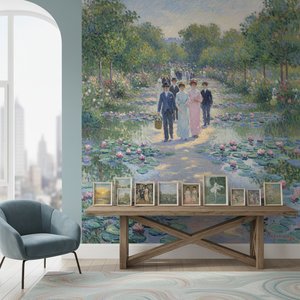
1878. Akryl na plátně. Louvr.

§ 1Katalogová data


§ 2Abstraktní
Popis sbírného předmětu
Poznejte ikonickou obrazovou výtvarnou dílo Édouarda Maneta – Černá číšnice, která zachycuje každodenní život v Paříži impresionistickým stylem a působivým osvětlením. Kvalitní reprodukce nyní dostupná na AllPaintingsStore.com!
 Zobrazit více
Biografie umělce
Édouard Manet: revoluční francouzský malíř, který otřásl uměním svým pohledem na moderní život a zpochybnil tradice. Objevte ikonické díla jako 'Olympie' a 'Le Déjeuner sur l’herbe'.
§ 3Komentář
The Waitress (also known as The Beer Serving Girl) – A Snapshot of Parisian Life
Édouard Manet’s “The Waitress,” also affectionately termed “The Beer Serving Girl,” is more than just a painting; it's a window into the bustling heart of late 19th-century Paris. Housed within the hallowed halls of the Musée du Louvre, this oil on canvas masterpiece transcends mere representation, embodying the spirit of Impressionism and challenging artistic conventions of its time. Created in 1878, Manet’s work captures a fleeting moment—a waitress gazing out at the viewer—amidst the everyday realities of Parisian café culture.Composition and Technique: Bridging Realism and Impressionism
Manet skillfully blended elements of realism with Impressionist techniques, marking him as a pivotal figure in the artistic transition. Unlike academic painters who meticulously rendered idealized subjects, Manet prioritized capturing light and atmosphere—a hallmark of Impressionism. Observe how he employs loose brushstrokes to depict the café interior, prioritizing tonal variations over precise detail. The placement of figures—the waitress, seated patron, and standing attendant—creates a dynamic composition that draws the eye across the canvas. Notice particularly the subtle interplay of light on the surfaces of the bottles and table; Manet’s aim wasn't to create an illusionistic depiction but rather to convey the sensory experience of the scene.Historical Context: Parisian Café Culture and Artistic Debate
“The Waitress” emerged during a period of significant artistic upheaval, coinciding with the burgeoning Impressionist movement. The painting sparked considerable controversy upon its debut at the Salon of 1879 due to its unconventional portrayal of modern life—specifically, its depiction of a woman in a café setting. Critics questioned Manet’s stylistic choices and his refusal to adhere to academic standards, arguing that he lacked proper anatomical accuracy. However, this very defiance fueled debate about the role of art in reflecting society and paved the way for new artistic explorations. The painting serves as a testament to Manet's willingness to push boundaries and challenge established norms.Symbolism and Emotional Resonance: Beyond Mere Observation
Beyond its technical brilliance, “The Waitress” possesses subtle symbolic layers that invite contemplation. The waitress’s gaze—directed outwards—suggests a detachment from the viewer, mirroring the broader societal anxieties of the era concerning social change and individual identity. The café setting itself symbolizes urban life, commerce, and social interaction – themes central to Impressionist concerns. Manet's masterful use of color contributes to this emotional resonance, conveying warmth and intimacy despite the seemingly unremarkable subject matter. It’s a painting that lingers in the mind long after viewing, prompting reflection on the complexities of human experience within the context of modernity.Notable Connections: Exploring Manet’s Artistic Legacy
Manet's influence extends far beyond “The Waitress.” Consider his groundbreaking work "Le Déjeuner sur l'herbe," which similarly challenged artistic conventions and ignited public discussion about nudity in art. Similarly, “Olympia,” depicting a nude prostitute bathed in light, provoked outrage due to its unflinching realism. These paintings solidified Manet’s reputation as an innovator who championed Impressionism and paved the way for subsequent generations of artists. His exploration of modern life continues to inspire artistic endeavors today.- Painting by 'Edouard Manet' | Edouard Manet:The Waitress (also known as The Beer Serving Girl)
- Painting by 'Peter Paul Rubens' | Peter Paul Rubens:Landscape with a Watering Place
- The Balcony (Manet)
- Le Déjeuner sur l'herbe
Otázky a odpovědi
Jak moc se zdá, že barvy díla „Černá číšnice“ odrážejí světlo?
Dílo „Černá číšnice“ od Édouard Manet má luminanci na úrovni Nejtmavší. Luminance popisuje, jak velkou míru světla barvy odrážejí.
Jak lze vysvětlit situaci s autorskými právy u díla „Černá číšnice“ od Édouard Manet?
Dílo „Černá číšnice“ od Édouard Manet spadá do v rámci volného užití – autorská práva vypršela. Autorská práva se počítají od roku úmrtí autora; Édouard Manet zemřel(a) v roce 1883.
Jaká barevná paleta je u díla "Černá číšnice" použita?
Paleta díla „Černá číšnice“ od Édouard Manet je popsána jako Zemité tóny. Jde o stručný popis barevného zpracování tohoto díla.


 Přepnout na tisk


 U děl nebo reprodukcí, u nichž je jakákoliv strana větší než 105 cm (přibližně 41 palců), bude rám dodán jako sestava v rozloženém stavu. Tato metoda zajišťuje bezpečné doručení a chrání dílo před poškozením během přepravy.