

1903. Acrylic On Canvas, 30.0 x 45.0 cm. Národní portrétní galerie.

§ 1Katalogová data

- 30.0 x 45.0 cm


Toto umělecké dílo je chráněno autorským právem
Umělecké dílo zobrazené na této stránce je chráněno autorským zákonem, což znamená, že nemůžeme legálně vytvářet ani prodávat jeho identickou reprodukci. Tato ochrana je vymáhána na základě mezinárodních dohod, jako například Berberská úmluva a národními zákony, včetně těch stanovených v Americký autorský zákon – Díl 17. Všechna práva vyhrazena.
Jako etická a právní alternativa nabízíme vlastní, ručně malovaná umělecká díla inspirovaná originálem. Naši zdatní a profesionální umělci si pečlivě studují styl, náladu a uměleckou podstatu originálu, aby vytvořili nové, jedinečné dílo, které vyvolává stejný pocit – přičemž zůstává samostatným originálním tvůrčím dílem.
Tato metoda je plně v souladu s autorským právem, protože nezahrnuje kopírování ani duplikování chráněného díla. Jde o kreativní reinterpretaci – nový obraz, který je inspirován originálem, ale není s ním identický.
 Více informací
§ 2Abstraktní
Popis sbírného předmětu
Hopper’s early sketches demonstrate his dedication to meticulous drawing and foreshadowed his later artistic achievements. This piece embodies the essence of Hopper's vision – capturing fleeting moments of human experience with understated grace.
Biografie umělce
Edward Hopper: mističný malíř americké izolace a melancholie. Jeho ikonické obrazy, jako Nighthawks, zachycují tichou krásu moderního života a hluboké úvahy o lidské existenci.
§ 3Komentář
A Quiet Reflection: Examining Edward Hopper’s Self Portrait
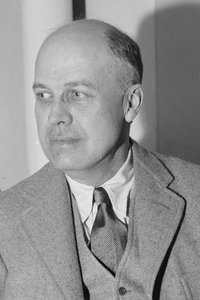
Edward Hopper's "Self Portrait," executed in 1903, transcends mere depiction; it embodies a profound exploration of the artist’s psyche and represents a pivotal moment in his artistic journey. Created during his formative years at the New York School of Art under Robert Henri—a teacher who championed realism and encouraged bold experimentation—this unassuming charcoal sketch reveals Hopper's nascent talent for capturing nuanced emotion through simplified forms and masterful tonal control. It stands as an early testament to his enduring fascination with solitude and introspection, themes that would become hallmarks of his celebrated oeuvre.- Subject Matter: The portrait focuses squarely on Hopper’s face—a deliberate choice reflecting Henri's influence—emphasizing the artist’s gaze directed outwards, conveying a sense of quiet contemplation.
- Style & Technique: Hopper employs a distinctly informal style characterized by loose charcoal strokes and expressive shading. This technique prioritizes capturing the immediacy of observation over meticulous detail, mirroring Henri’s advocacy for spontaneity in artistic expression.
- Historical Context: Produced at the dawn of the 20th century, “Self Portrait” aligns with the burgeoning modernist movement's preoccupation with psychological realism and its rejection of academic conventions. It foreshadows Hopper’s later explorations of urban landscapes populated by solitary figures grappling with existential questions.
Symbolism & Impressionistic Light
The artist’s attire—a jacket and roll-neck sweater—holds symbolic significance, referencing the sportswear favored during football and cycling – activities popular at the time. This conscious selection underscores Hopper's desire to portray himself as youthful, unpretentious, and aligned with the spirit of modern life. More importantly, however, it speaks to Henri’s influence in prioritizing atmospheric perspective and capturing fleeting moments of illumination. The subtle gradations of grey and black effectively convey a sense of stillness and introspection, mirroring the emotional core of Hopper's artistic vision.A Germination of Genius: Hopper’s Artistic Evolution
Hopper himself famously articulated this notion of artistic development, stating that “In every artist’s development the germ of the later work is always found in the earlier.” Indeed, "Self Portrait" demonstrates Hopper’s sensitivity to medium and self-representation—qualities that would blossom into his iconic paintings like “Nighthawks” and “Monhegan Houses.” This early sketch isn't merely a record of observation; it’s an embodiment of Hopper’s artistic philosophy – a quiet yet powerful declaration of intention, hinting at the monumental achievements to come.Beyond Technique: Capturing Inner Landscape
Ultimately, "Self Portrait" succeeds in conveying more than just visual likeness. It captures a profound psychological state—a contemplative gaze, a subtle expression of seriousness—that resonates with viewers across generations. Hopper’s masterful use of charcoal and tonal shading elevates the drawing beyond mere representation, transforming it into an evocative meditation on identity and solitude – themes that continue to captivate audiences today.Otázky a odpovědi
Jak je známé dílo "Edward Hopper Self-Portrait" od Edward Hopper?
Úroveň popularity zaznamenaná pro „Edward Hopper Self-Portrait“ od Edward Hopper je Recognized.
Jak si mohu prohlédnout náhled reprodukce „Edward Hopper Self-Portrait“ od Edward Hopper?
Chcete-li si prohlédnout náhled reprodukce díla „Edward Hopper Self-Portrait“ od Edward Hopper, otevřete stránku Náhled v prostoru tohoto díla.
Jakou intenzitu barev má „Edward Hopper Self-Portrait“ od Edward Hopper?
Barvy v díle „Edward Hopper Self-Portrait“ od Edward Hopper mají Balanced intenzitu.


 Přepnout na tisk


 U děl nebo reprodukcí, u nichž je jakákoliv strana větší než 105 cm (přibližně 41 palců), bude rám dodán jako sestava v rozloženém stavu. Tato metoda zajišťuje bezpečné doručení a chrání dílo před poškozením během přepravy.


