


 Náhled
 Sdílet
 Sdílet
 Podrobnosti o díle

 Stáhnout
 Podobné položky
 Rentgenové snímky
 Slideshow
Annunciation
 Oil On Canvas
- WallArt
- Spanish Mannerism
 1598
1598- Renaissance
 114.0 x 67.0 cm
 Zobrazit více
Koupě vysoce rozlišeného, vylepšeného digitálního obrazu, který je mnohem kvalitnější než online náhled.
Každý soubor je pečlivě připraven našimi odborníky pomocí pokročilých nástrojů a expertní manuální retuše. Zajišťujeme, aby každý obraz disponoval výjimečnou ostrostí, přesnou barevnou věrností a jemnými detaily.
Finální soubor vám bude do 72 hodin zaslán e-mailem, optimalizovaný pro okamžité použití v profesionálním, redakčním i tiskovém prostředí. Nabízíme stejnou kvalitu, které důvěřují špičková designová studia, nakladatelství i galerie.
Digitální obrazy
Stáhněte si soubor ve vysokém rozlišení pro osobní prohlížení, tisk a kreativní projekty. ( Koupit tisk Koupit ručně malovaný obraz)
Součást každé objednávky digitálního obrazu
Profesionální digitální doručení, zaručeno.
Když si vyberete AllPaintingsStore.com, nezískáváte pouze obrázek – získáváte digitální umělecké dílo s profesionálně vylepšenými detaily, zpracované s precizností a podpořené zárukou za spokojenost. Zde je vše, co vaše objednávka automaticky obsahuje:

Rychlé doručení e-mailem
Váš digitální obraz ve vysokém rozlišení vám bude zaslán e-mailem do 72 hodin od objednávky – připraven k okamžitému použití.

Digitální soubor s využitím AI
Vaše umělecké dílo je profesionálně optimalizováno pomocí pokročilých nástrojů umělé inteligence a manuální úpravy, což zajišťuje maximální úroveň detailu, ostrosti a přesnosti barev.

Bezplatné doživotní znovuodeslání
Soubor jste omylem smazali nebo ztratili? Žádný problém – kdykoliv vám ho znovu zašleme zcela zdarma.

Bez poplatků za dovoz – navždy
Užijte si své umělecké dílo okamžitě bez celních poplatků, daní nebo nákladů na dopravu – digitální stažení je vždy bez daňových povinností.

Záruka přesnosti barev
Pomocí profesionálních nástrojů a správy barev zajišťujeme, aby váš digitální obraz odrážel původní barvy co nejvěrněji.

60denní záruka spokojenosti
Pokud nebudete s digitální fotografií spokojeni, provedeme její revizi nebo vám vrátíme 100% během 60 dnů – bez jakýchkoliv dotazů.

100% záruka vrácení peněz
Nespokojeni? Získejte plnou částku zpět do 60 dní od přijetí vašeho digitálního souboru – bez jakýchkoliv dotazů.

Slevy při hromadných objednávkách
Koupěte si 3 obrazy, ušetřete 10% - Koupěte si 5, ušetřete 15% - Koupěte si 10+, ušetřete 20%. Ideální pro kreativní projekty, galerie a agentury.
Popis sběratelského kusu
A Celestial Encounter: The Divine Radiance of El Greco’s Annunciation
In the quiet stillness of 1598, within the spiritual heart of Toledo, Doménikos Theotokópoulos—the master known to history as El Greco—captured a moment that transcends the boundaries of time and mortal perception. His Annunciation is not merely a depiction of a biblical event; it is a profound window into the divine, a masterpiece where the earthly realm dissolves into a vision of celestial grace. As the viewer approaches this monumental canvas, they are immediately enveloped by an atmosphere of sacred tension and luminous beauty. The scene captures the pivotal instant when the Archangel Gabriel descends to deliver the transformative news to the Virgin Mary, a moment that serves as the bridge between heaven and earth.
The composition is a masterclass in spiritual hierarchy and visual storytelling. El Greco directs our gaze with intentionality, centering the Virgin Mary in a posture of humble reverence. She kneels before the messenger of God, her form imbued with a weightless, ethereal quality that seems to defy gravity itself. The angel, with wings spread wide in a gesture of divine protection, stands as a beacon of light, his presence commanding the space. Surrounding this central encounter, various saints and archangels emerge from the shadows, creating a celestial court that reinforces the magnitude of the revelation. This layered arrangement of figures creates a sense of depth that is both physical and metaphysical, inviting the observer to contemplate the layers of sanctity present in the scene.
The Alchemy of Light and Shadow: Technique and Symbolism
To behold this work is to witness the pinnacle of tenebrism. El Greco utilizes stark, dramatic contrasts between deep, velvety shadows and piercing, supernatural light to heighten the emotional fervor of the piece. This masterful manipulation of chiarosculto does more than create volume; it creates drama. The light does not merely illuminate the figures; it seems to emanate from within them, particularly in the luminous halo that surrounds the Virgin, suggesting a soul ignited by divine purpose. This technique, which would later inspire the emotional intensity of Expressionism, allows the painting to pulse with a life force that is almost palpable.
Every element within the frame is heavy with symbolic significance, designed to guide the faithful toward deeper contemplation. The books positioned near the figures are not mere accessories; they represent the Sacred Scripture—the Word made flesh—serving as the intellectual and spiritual foundation of the event. The elongated, flickering forms characteristic of El Greco’s mature style serve to strip away the distractions of the material world, focusing the viewer's attention on the spiritual essence of the subjects. For the collector or the lover of fine art, these details offer a rich tapestry of meaning, making each viewing an opportunity for new discoveries.
An Eternal Legacy for the Discerning Collector
For those seeking to bring a sense of profound history and spiritual elegance into a curated space, El Greco’s Annunciation offers unparalleled inspiration. Whether gracing the walls of a private gallery, a sophisticated study, or a grand living area, this work commands attention through its sheer emotional gravity. The painting's ability to harmonize the solemnity of Byzantine tradition with the dynamic energy of the Spanish Renaissance makes it a timeless addition to any high-end interior design scheme.
Owning a high-quality reproduction of such a masterpiece allows for the preservation of this historical splendor within a modern context. It provides an anchor of culture and a focal point of beauty that invites conversation and reflection. As an art piece, it does not merely decorate a room; it transforms the very atmosphere of a home, infusing it with the same sense of awe and transcendence that El Greco captured in his studio in Toledo centuries ago.
Podobná umělecká díla


Biografie umělce
Doménikos Theotokópoulos, called El Greco
Doménikos Theotokópoulos, known to the world as El Greco – “the Greek” – was a painter whose life and work defied easy categorization. Born in Crete, Greece (1541), his artistic journey took him through Venice and Rome before finding its ultimate expression in the spiritual heartland of Spain: Toledo. El Greco wasn’t merely a product of these places; he synthesized their influences into something wholly unique, a style that anticipated the emotional intensity of Expressionism and the fragmented forms of Cubism centuries later. His early training within the Byzantine tradition instilled in him a meticulous attention to detail and a profound understanding of religious iconography. This foundation, however, wouldn’t confine him. He signed his works in Greek, often appending “Krḗs” – Cretan – as a proud declaration of his origins, even as he ventured into new artistic territories. The seeds of his distinctive style were sown not just in technique but also in the fervent religious climate of his homeland and the rich tapestry of Venetian art.Early Years: Venice and Rome
El Greco’s formative years were spent in Venice around 1567, where he immersed himself in the vibrant artistic scene dominated by titans like Titian, Tintoretto, and Veronese. He diligently studied their mastery of color, composition, and dramatic lighting—skills that would profoundly shape his future endeavors. Recognizing the importance of mastering Western Renaissance techniques, El Greco absorbed their influence, adapting them to his own distinctive vision. His Venetian training resulted in early works such as *Saint Sebastian* (1600), where anatomical detail blends seamlessly with an almost theatrical use of light and shadow—a testament to his ability to fuse Byzantine precision with Venetian dynamism. Subsequently, he traveled to Rome, encountering Mannerism – a style characterized by elongated forms, distorted perspectives, and sophisticated compositions. While he demonstrated considerable talent in the competitive Roman art world, El Greco struggled to gain widespread recognition due to stylistic differences from prevailing tastes of the time. Despite these challenges, his exposure to Mannerist principles undoubtedly broadened his artistic horizons.A Style Unlike Any Other
El Greco’s artistic style is instantly recognizable – and utterly captivating. His figures are often dramatically elongated, their bodies stretched and contorted in poses that convey a sense of spiritual ecstasy or profound anguish. This isn't mere stylistic affectation; it’s an attempt to depict the unseen, the emotional and spiritual realities that lie beyond the surface of things. He masterfully employed color – not necessarily realistic color, but vibrant, often unnatural hues – to heighten the emotional impact of his work. Dramatic lighting, with stark contrasts between light and shadow, creates a theatrical effect, drawing the viewer into the heart of the scene. *The Burial of the Count of Orgaz* (1586-1588), considered his masterpiece, exemplifies these qualities perfectly. The painting depicts a miraculous event – the descent of saints to bury a pious nobleman – with remarkable realism in the portrayal of contemporary figures juxtaposed against ethereal, elongated forms representing divine intervention. He blended Byzantine traditions with Italian Renaissance techniques, forging a style that was both innovative and deeply personal. His later works became increasingly mystical, reflecting his own profound religious beliefs and a growing detachment from conventional artistic norms.Toledo: The Flowering of Genius
El Greco’s relocation to Toledo in 1577 marked a pivotal moment in his artistic career—a move that coincided with the rise of Counter-Reformation fervor and provided him with an environment conducive to exploring his spiritual convictions. Here, he received significant commissions from churches and monasteries, securing patronage from influential figures like Diego de Castilla, Archbishop of Toledo. This support enabled him to produce some of his most celebrated paintings, including *Saint Martin and the Beggar* (1597/1599), *St. Peter in Tears* (1582), and *The Holy Family with Saint Anne and the Infant John the Baptist* (c. 1595/1600). These works demonstrate El Greco’s masterful command of composition, color, and expressive gesture—characteristics that solidified his reputation as one of Spain's foremost artists. Notably, *View of Toledo* (1596-1600) stands apart from his other paintings due to its landscape genre—a rare departure from religious iconography for El Greco—yet it captures the essence of Toledo with an almost visionary quality.Legacy and Rediscovery
El Greco’s artistic legacy extends far beyond his lifetime, influencing generations of artists who recognized him as a precursor to modern art movements like Expressionism and Cubism. His distinctive style—characterized by elongated figures, intense emotion, and dramatic lighting—resonated with artists seeking new ways to convey psychological depth and spiritual experience. Furthermore, El Greco’s pioneering use of color and perspective challenged conventional artistic norms, paving the way for groundbreaking innovations in visual art. Although largely overlooked by art historians during the 19th century, El Greco experienced a resurgence of interest in the 20th century thanks to the recognition of artists like Picasso and Braque who admired his stylistic originality. Today, El Greco is revered as one of Spain’s greatest painters—a visionary artist whose work continues to inspire awe and contemplation with its profound spiritual resonance and unparalleled artistic brilliance.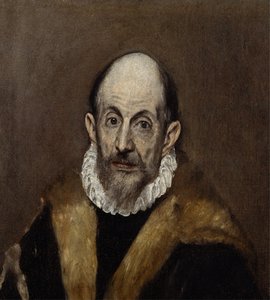
El Greco
1541 - 1614 , Řecko
Stručné informace
- Artistic Movement Or Style: Mannerismus, Baroko
- Artists Who Influenced This Artist:
- Titian
- Tintoretto
- Date Of Birth: 1541
- Full Name: Doménikos Theotokópoulos
- Nationality: Řek
- Notable Artworks:
- The Burial of the Count of Orgaz
- View of Toledo
- El Espolio
- St. Sebastian
- Place Of Birth: Crete, Greece


