Záruka vrácení peněz · 100 dní Doprava po celém světě zdarma
449 564umělecká díla 30 613umělci 4 658muzea 32jazyky
Záznam v katalogu

Laocoön (detail)

1610. Acrylic On Canvas. Národní galerie umění.

Obr. 1. El Greco, Laocoön (detail), 1610. Zobrazeno jako vámi zvolená reprodukce: , .

§ 1Katalogová data

§ 2Abstraktní

Popis sbírného předmětu

Biografie umělce

Objevte dramatické dílo El Greka! Studium manýrismu & náboženských obrazů s prodlouženými postavami. Předceňující expresionismus & kubismus – prohlédněte si jeho ikonické výtvarné díla!

§ 3Komentář

Laocoön (detail): A Study in Suffering and Divine Judgment

The artwork presents a poignant glimpse into El Greco’s masterful depiction of the biblical tale of Laocoön, capturing not merely the physical agony of the figures but also conveying a profound meditation on mortality and divine retribution. Rendered primarily in shades of grey, brown, and white—a palette characteristic of Mannerist aesthetics—the detail focuses intently on two male figures intertwined upon the ground, their postures radiating palpable distress. This deliberate monochrome enhances the dramatic tension, mirroring the solemnity of religious iconography prevalent during El Greco’s time. Beyond its visual impact lies a rich tapestry of artistic considerations. The composition employs a dynamic diagonal axis originating from the lower left corner, guiding the viewer's gaze upwards towards the upper right—a technique frequently utilized by Mannerist painters to heighten emotional intensity and create an illusion of movement within a static frame. This deliberate arrangement underscores the central theme: humanity confronted with overwhelming forces beyond comprehension. The landscape backdrop, rendered with loose brushstrokes, serves as a counterpoint to the figures’ suffering, symbolizing the enduring presence of beauty and serenity amidst inevitable decay—a motif that resonates powerfully with humanist ideals of the period. El Greco's technique is defined by oil paint applied with expressive gestural strokes, layering pigments meticulously to achieve tonal variations that imbue the scene with depth and luminosity despite its subdued color scheme. Visible brushwork contributes to a textured surface reminiscent of Byzantine art, reflecting El Greco’s formative influences. The artist skillfully captures the musculature of the figures—particularly the torso—with precise contours, emphasizing their vulnerability and highlighting the dramatic interplay between light and shadow. These contours are accentuated by subtle highlights on skin tones, furthering the impression of realism while simultaneously elevating the artwork to a level of spiritual contemplation. The sculpture Laocoön and His Sons, recently unearthed in Rome, served as inspiration for El Greco’s painting, prompting him to explore themes of human suffering and divine judgment—a preoccupation that aligns seamlessly with the broader artistic currents of his era. The intertwined figures embody struggle and despair, mirroring the biblical narrative's depiction of Laocoön’s futile resistance against Poseidon’s wrath. Furthermore, the landscape’s tranquil beauty juxtaposed against the figures’ torment symbolizes the ephemeral nature of earthly existence compared to eternal salvation—a concept central to Christian theology. Ultimately, *Laocoön (detail)* transcends mere representation; it embodies El Greco's artistic genius in conveying emotion and intellectual depth. Its enduring power lies in its ability to provoke contemplation on themes of faith, mortality, and the confrontation between human will and divine providence – qualities that continue to captivate audiences today.

Otázky a odpovědi

Existuje průvodce k dílu „Laocoön (detail)“ od El Greco?

Stránka Průvodce pro studenty díla „Laocoön (detail)“ od El Greco nabízí tištěný dvoulistový informační list: samotné umělecké dílo s identifikační tabulkou, časovou osu situující dílo do období života umělce, další díla daného autora, naměřenou barevnou paletu a citace ve čtyřech stylech připravené pro okamžité zkopírování.

Který umělec a jaký styl stojí za dílem "Laocoön (detail)"?

Autorem díla "Laocoön (detail)" je El Greco, který patřil k hnutí Mannerist Style.

Kolik let bylo El Greco, když vzniklo dílo „Laocoön (detail)“?

El Greco vytvořil/a dílo „Laocoön (detail)“ v возрасте 69 let. Umělec se narodil/a v 1541 a dílo je datováno na 1610.
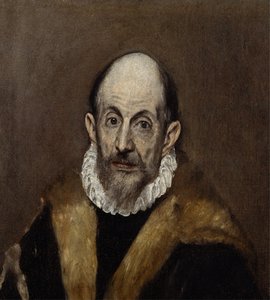
§ 4Autor díla

El Greco

El Greco

1541 - 1614, Řecko

Rychlé informace o umělci El Greco

  • Artistic Movement Or Style: Mannerismus, Baroko
  • Artists Who Influenced This Artist:
    • Titian
    • Tintoretto
  • Date Of Birth: 1541
  • Full Name: Doménikos Theotokópoulos
  • Nationality: Řek
  • Notable Artworks:
    • The Burial of the Count of Orgaz
    • View of Toledo
    • El Espolio
    • St. Sebastian
  • Place Of Birth: Crete, Greece

Biografie umělce

Doménikos Theotokópoulos, called El Greco

Doménikos Theotokópoulos, known to the world as El Greco – “the Greek” – was a painter whose life and work defied easy categorization. Born in Crete, Greece (1541), his artistic journey took him through Venice and Rome before finding its ultimate expression in the spiritual heartland of Spain: Toledo. El Greco wasn’t merely a product of these places; he synthesized their influences into something wholly unique, a style that anticipated the emotional intensity of Expressionism and the fragmented forms of Cubism centuries later. His early training within the Byzantine tradition instilled in him a meticulous attention to detail and a profound understanding of religious iconography. This foundation, however, wouldn’t confine him. He signed his works in Greek, often appending “Krḗs” – Cretan – as a proud declaration of his origins, even as he ventured into new artistic territories. The seeds of his distinctive style were sown not just in technique but also in the fervent religious climate of his homeland and the rich tapestry of Venetian art.

Early Years: Venice and Rome

El Greco’s formative years were spent in Venice around 1567, where he immersed himself in the vibrant artistic scene dominated by titans like Titian, Tintoretto, and Veronese. He diligently studied their mastery of color, composition, and dramatic lighting—skills that would profoundly shape his future endeavors. Recognizing the importance of mastering Western Renaissance techniques, El Greco absorbed their influence, adapting them to his own distinctive vision. His Venetian training resulted in early works such as *Saint Sebastian* (1600), where anatomical detail blends seamlessly with an almost theatrical use of light and shadow—a testament to his ability to fuse Byzantine precision with Venetian dynamism. Subsequently, he traveled to Rome, encountering Mannerism – a style characterized by elongated forms, distorted perspectives, and sophisticated compositions. While he demonstrated considerable talent in the competitive Roman art world, El Greco struggled to gain widespread recognition due to stylistic differences from prevailing tastes of the time. Despite these challenges, his exposure to Mannerist principles undoubtedly broadened his artistic horizons.

A Style Unlike Any Other

El Greco’s artistic style is instantly recognizable – and utterly captivating. His figures are often dramatically elongated, their bodies stretched and contorted in poses that convey a sense of spiritual ecstasy or profound anguish. This isn't mere stylistic affectation; it’s an attempt to depict the unseen, the emotional and spiritual realities that lie beyond the surface of things. He masterfully employed color – not necessarily realistic color, but vibrant, often unnatural hues – to heighten the emotional impact of his work. Dramatic lighting, with stark contrasts between light and shadow, creates a theatrical effect, drawing the viewer into the heart of the scene. *The Burial of the Count of Orgaz* (1586-1588), considered his masterpiece, exemplifies these qualities perfectly. The painting depicts a miraculous event – the descent of saints to bury a pious nobleman – with remarkable realism in the portrayal of contemporary figures juxtaposed against ethereal, elongated forms representing divine intervention. He blended Byzantine traditions with Italian Renaissance techniques, forging a style that was both innovative and deeply personal. His later works became increasingly mystical, reflecting his own profound religious beliefs and a growing detachment from conventional artistic norms.

Toledo: The Flowering of Genius

El Greco’s relocation to Toledo in 1577 marked a pivotal moment in his artistic career—a move that coincided with the rise of Counter-Reformation fervor and provided him with an environment conducive to exploring his spiritual convictions. Here, he received significant commissions from churches and monasteries, securing patronage from influential figures like Diego de Castilla, Archbishop of Toledo. This support enabled him to produce some of his most celebrated paintings, including *Saint Martin and the Beggar* (1597/1599), *St. Peter in Tears* (1582), and *The Holy Family with Saint Anne and the Infant John the Baptist* (c. 1595/1600). These works demonstrate El Greco’s masterful command of composition, color, and expressive gesture—characteristics that solidified his reputation as one of Spain's foremost artists. Notably, *View of Toledo* (1596-1600) stands apart from his other paintings due to its landscape genre—a rare departure from religious iconography for El Greco—yet it captures the essence of Toledo with an almost visionary quality.

Legacy and Rediscovery

El Greco’s artistic legacy extends far beyond his lifetime, influencing generations of artists who recognized him as a precursor to modern art movements like Expressionism and Cubism. His distinctive style—characterized by elongated figures, intense emotion, and dramatic lighting—resonated with artists seeking new ways to convey psychological depth and spiritual experience. Furthermore, El Greco’s pioneering use of color and perspective challenged conventional artistic norms, paving the way for groundbreaking innovations in visual art. Although largely overlooked by art historians during the 19th century, El Greco experienced a resurgence of interest in the 20th century thanks to the recognition of artists like Picasso and Braque who admired his stylistic originality. Today, El Greco is revered as one of Spain’s greatest painters—a visionary artist whose work continues to inspire awe and contemplation with its profound spiritual resonance and unparalleled artistic brilliance.

§ 5Podobná díla

§ 6Otázky

Rychlé informace

  • Artist: El Greco
  • Movement: Mannerism
  • Influences: Classical sculpture
  • Subject or theme: Mythology; Suffering
  • Year: 1610

Artový kvíz

U každé otázky je pouze jedna správná odpověď.

Otázka 1:
What artistic movement is El Greco’s Laocoön primarily associated with?
Otázka 2:
The painting depicts a mythological story featuring Laocoön and his sons. Who sent the serpents to punish Laocoön?
Otázka 3:
What is the dominant color palette used in Laocoön?
Otázka 4:
El Greco employs loose brushstrokes primarily in which part of the artwork?
Otázka 5:
How does El Greco utilize aerial perspective to convey depth in Laocoön?

§ 7Citovat tento záznam

AllPaintingsStore.com, “El Greco, Laocoön (detail) (1610)”, https://allpaintingsstore.com/cs/art/el-greco-laocoon-detail-8XZGEN-en/ArtistReproduction/ (dne 11 říjen 2026 zkontolováno).

§ 8Reprodukce díla

Ručně malovaná olejová reprodukce

Rukou malované olejné plátno v libovolném rozměru i s rámem, vyrobené našimi umělci na zakázku. ( Přepnout na tisk Přepnout na digitální obraz)

Je uvedeno na okraji objednávkového listu; aktuální stav tohoto listu zní následovně.

Laocoön (detail)

Technika reprodukce

Rozměry reprodukce

-

Vybraní mistři umění

Vyšší míra detailu, jemnosti a delší doba výroby

-

Možnosti rámování reprodukcí

-

-

U děl nebo reprodukcí, u nichž je jakákoliv strana větší než 105 cm (přibližně 41 palců), bude rám dodán jako sestava v rozloženém stavu. Tato metoda zajišťuje bezpečné doručení a chrání dílo před poškozením během přepravy.

Vyžaduje se odborná montáž – nejedná se o produkt pro svépomocnou realizaci (DIY).
Sestava musí být složena a plátno napnuto zkušeným profesionálním rámovačem s použitím dřevěného lepidla (není součástí balení), kleští na napínání plátna a svorek pro udržení pravých úhlů křížů během schnutí lepidla. Nesprávná montáž nebo nerovnoměrné napnutí plátna může způsobit trvalé poškození uměleckého díla, které není kryto naší zárukou.

  • Jsou zahrnuty všechny lišty z masivního dřeva, přesně na míru nařezané.

  • Sestavuje se pomocí součástí balení (šroubů), plus dřevěného lepidla na rohové spoje, které není součástí balení a musí jej zajistit váš rámovač.

  • Vyžaduje se profesionální nářadí, které není součástí sady: kleště na napínání plátna a svorky pro udržení kolmosti příček během schnutí lepidla.

Důležité:
Spoje v rozích vyžadují lepidlo na dřevo, tyčinky musí být přichyceny pomocí svorek, dokud lepidlo zcela neuschne, a pro napnutí plátna na sestavený rám je zapotřebí kleští na natahování plátna. Žádný z těchto náčiní není součástí sady. Před objednáním této velikosti prosím zajistěte zkušeného profesionálního rámovače.

Popisek díla

-

-

Ochranný lak

Lesklý lak (zvýrazňuje barvy, chrání před světlem a vlhkostí)

-

Přizpůsobit své umělecké dílo

Příklady možných úprav: nahrazení obličeje fotografií zákazníka; přidání domácího mazlíčka (např. výměna kočky za psa); vložení skrytého vzkazu do pozadí; změna krajiny nebo prvků v pozadí.

-

Prioritní doručení

Celosvětové doručení () za 3–4 týdny namísto standardních 5 týdnů. (8 listopad). Bez kompromisů v kvalitě.

-

Expresní doručení

Celosvětová doprava () do 5 týdnů. (15 listopad).

V ceně

Celková cena za vybrané možnosti reprodukcí

Kč 6160

Součást každé objednávky

  • Zdarma celosvětová expresní doprava
  • Vysoce kvalitní lněné plátno
  • Kompletní pojištění přepravy
  • Záruka vrácení celního poplatku
  • Záruka věrného barevného souladu
  • 100dení lhůta pro vrácení zboží (pouze při vadách výroby)
  • 100% záruka vrácení peněz
  • Sleva při více objednávkách
Objednávací formulář