


 Náhled
 Sdílet
 Sdílet
 Podrobnosti o díle

 Stáhnout
 Podobné položky
 Rentgenové snímky
 Slideshow
Candy box


 Zobrazit více
Giclée / Umělecký tisk
Giclée nebo plátěný tisk muzeální kvality s rychlou výrobou a flexibilními možnostmi povrchové úpravy. ( Koupit ručně malovaný obraz Koupit obrázek)




































Vyberte si z našich přednastavených velikostí, které odpovídají původním proporcím díla.

Můžete zadat vlastní rozměry tak, aby výtvor odpovídal konkrétnímu rámu nebo prostoru. Pokud zvolená velikost nebude odpovídat poměru stran původního obrazu, dílo buď ořížeme, nebo obraz rozšíříme pomocí zrcadlového efektu či jednobarevného okraje. Před zahájením výroby vám bude zaslán digitální náhled k schválení.
Mějte prosím na paměti, že náhled na obrazovce neodráží skutečné oříznutí nebo rozšíření. Pouze digitální náhled přesně zobrazí finální kompozici.
Ačkoliv jsou k dispozici i vlastní rozměry, pro zachování původních proporcí doporučujeme vybrat si rozměr z předdefinovaného seznamu.
Celosvětové doručení () do 2 týdnů namísto standardních 4/5 týdnů. (18 srpen)

Zdarma celosvětová expresní doprava

Vysoce kvalitní lněné plátno

Kompletní přepravní pojištění

Záruka vrácení celního poplatku

Záruka přesného barevného shodu

60denní lhůta pro vrácení zboží (pouze při vadách výroby)

100% garance vrácení peněz

Sleva při hromadné objednávce
 Skleněná varianta je dostupná pouze u rozměrů menších než 110 cm

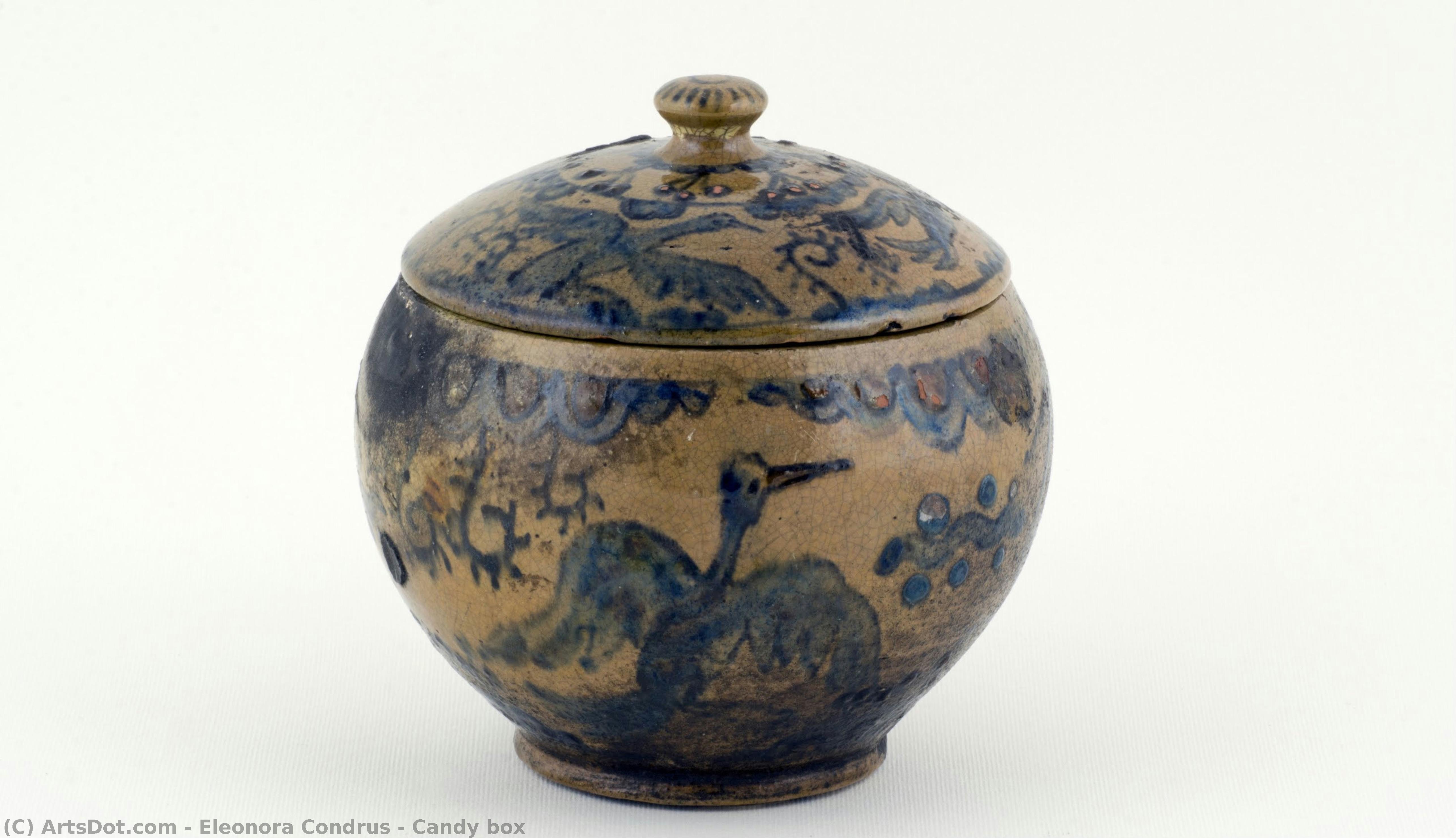
Candy box
Giclée / Umělecký tisk
Rozměry reprodukce
-


Celková cena za výběr
$ 64
Podobná umělecká díla


Biografie umělce
Eleonora Condrus (Nora Steriadi): A Dreamer of Romanian Landscapes
Eleonora Condrus, more widely known as Nora Steriadi, was a captivating Romanian painter born in Cartiu, Gorj, in 1889 and tragically passing away in 1948. Her life’s work is characterized by an ethereal quality—a dreamy exploration of the Romanian landscape and poignant portraits that hint at a profound sensitivity to light, color, and human emotion. Her artistic journey, intertwined with her marriage to fellow painter Jean Alexandru Steriadi, reflects a period of significant cultural and artistic evolution in Romania, marked by both traditional influences and burgeoning modernism.Early Life and Artistic Training
Nora’s early years were spent in the rural setting of Cartiu, a region steeped in folklore and natural beauty – elements that would profoundly shape her artistic vision. Following her marriage to Jean Alexandru Steriadi in 1907, the couple relocated to Paris, a pivotal moment that propelled Nora into the heart of European art. She enrolled at the prestigious Académie de la Grande Chaumière, renowned for its rigorous training and exposure to diverse artistic styles. This Parisian education provided her with invaluable technical skills and introduced her to the influential currents of Impressionism and early Modernism. Notably, she studied alongside figures like Martha Bibescu, a prominent mosaic artist, suggesting an early interest in decorative arts that would later inform her own work. The influence of this period is evident in her use of light and color—a delicate balance between observation and subjective interpretation.A Style Defined by Dreamy Landscapes and Portraits
Nora Steriadi’s artistic style is immediately recognizable for its evocative atmosphere. Her landscapes are not merely depictions of the Romanian countryside; they are imbued with a sense of melancholy and timelessness, as if captured from a half-remembered dream. Rolling hills bathed in golden light, misty forests, and quiet villages unfold before the viewer, inviting contemplation and emotional resonance. Her portraits, equally compelling, capture the essence of her subjects—often conveying a subtle vulnerability or an underlying sadness. She skillfully employed muted color palettes – predominantly blues, greens, and browns – to create a sense of depth and atmosphere, drawing inspiration from the works of artists like Camille Pissarro and Claude Monet. Her brushwork is loose and expressive, contributing to the overall feeling of spontaneity and intimacy.Collaborations and Notable Works
Nora’s artistic career was enriched by collaborations with other Romanian artists, most notably her husband, Jean Alexandru Steriadi. Together, they produced a significant body of work, often exploring themes of rural life and the beauty of the Romanian landscape. Perhaps her most celebrated achievement is her participation in the creation of a monumental tapestry commissioned by Martha Bibescu for the royal bedroom at Mogoșoaia Castle. This intricate textile, depicting the arms of Wallachia and Moldavia, showcases Nora’s skill in color blending and decorative design—a testament to her versatility as an artist. Her work also includes numerous smaller paintings and mosaics that are now held in various private collections and museums throughout Romania. “Candy Box” is a prime example of her evocative style, capturing the essence of a simple object with remarkable detail and emotional depth.Legacy and Historical Significance
Despite facing challenges during the tumultuous period of World War II, Nora Steriadi’s artistic legacy endures. Her paintings offer a poignant glimpse into early 20th-century Romania—a nation grappling with modernization while retaining its rich cultural heritage. Her work is not simply aesthetically pleasing; it serves as a valuable historical document, reflecting the social and emotional landscape of her time. She represents a significant voice within Romanian art history, demonstrating a unique ability to translate the beauty and complexity of her homeland onto canvas. Her dedication to capturing the essence of Romania’s landscapes and portraits continues to resonate with viewers today, solidifying her place as one of Romania's most beloved artists.
eleonora condrus
1889 - 1948 , Romania
Rychlé fakta
- Artistic Movement Or Style: Dreamy landscapes & portraits
- Date Of Birth: 1889
- Date Of Death: 1948
- Full Name: Eleonora Condrus (nora Steriadi)
- Nationality: Romanian
- Notable Artworks: ['Candy Box']
- Place Of Birth: Cartiu, Romania



