

.

§ 1Katalogová data
§ 2Abstraktní
Biografie umělce
Explore the exquisite Baroque flower paintings of Ernst Stuven (1657-1712), a German master known for his detailed still lifes & Dutch influence.
.
Explore the exquisite Baroque flower paintings of Ernst Stuven (1657-1712), a German master known for his detailed still lifes & Dutch influence.

1657 - 1712, Germany
In the grand, sweeping narrative of the seventeenth century, where the dramatic shadows of the Baroque era met the meticulous precision of the Dutch Golden Age, the name Ernst Stuven emerges as a master of the delicate and the ephemeral. Born in 1657 in the industrious city of Hamburg, Germany, Stuven’s early life was shaped by the rigorous traditions of Northern European craftsmanship. His initial artistic foundations were laid under the watchful eye of Georg Hainz, a mentor who instilled in him the discipline required to capture the minute complexities of the natural world. Yet, the true metamorphosis of his talent occurred when, at the age of eighteen, he ventured toward the vibrant artistic pulse of Amsterdam. This relocation was more than a mere change of scenery; it was an immersion into a culture where light, texture, and botanical splendor were celebrated with unparalleled fervor.
The trajectory of Stuven’s career was profoundly influenced by his time in the studios of some of the era's most esteemed masters. After studying under Johannes Voorhout, he found himself drawn to the specialized allure of flower painting, leading him into the prestigious studio of Willem van Aelst. It was here that Stuven refined his ability to render the velvety texture of a petal and the translucent shimmer of dew. His artistic evolution continued as he later sought the guidance of Abraham Mignon, further honing a style that balanced scientific accuracy with an almost poetic atmospheric perspective. Through these associations, Stulen became a vital link in the chain of Dutch-influenced botanical art, blending German precision with the lush, emotive qualities of the Amsterdam school.
To gaze upon a Stuven masterpiece is to enter a silent, fragrant world where time seems to suspend itself. His work was never merely about the depiction of flora; it was an exploration of vanitas—the profound meditation on the fleeting nature of life. While his canvases often featured vibrant arrangements of roses, tulips, and primroses, there was always an underlying tension between the peak of blossom and the inevitable onset of decay. He utilized a sophisticated palette of muted tones—deep greens, earthy browns, and rich reds—to create a sense of profound tranquility and understated elegance. Unlike contemporaries who relied on jarring contrasts, Stuven mastered the art of tonal gradation, allowing each element of his compositions to emerge softly from the shadows.
His technical prowess extended beyond the petals themselves to the surrounding elements that grounded his compositions. He possessed an uncanny ability to render the cold, hard surface of a stone slab or the fragile transparency of a glass vase with equal conviction. This interplay between the organic and the inorganic served to heighten the sensory experience of his viewers, making the flowers feel tangibly present within the viewer's space. His achievements in this genre were not merely measured by technical skill but by his ability to evoke an emotional response—a quiet reverence for the intricate beauty found in the smallest corners of nature.
Despite the serene beauty of his canvases, the personal history of Ernst Stuven was marked by periods of significant turbulence. The annals of art history, particularly the writings of Houbraken, reveal a life that was not without its darker chapters. His relationship with his pupil, Willem Grasdorp, was famously fraught with conflict, leading to legal repercussions and a period of incarceration in Amsterdam's Rasphuis. Such dramatic shifts in fortune—from the heights of artistic success to the depths of social isolation—add a layer of poignant complexity to his legacy. In his later years, moving through Haarlem and eventually settling in Rotterdam, he lived a life supported by patrons who recognized the enduring value of his hand.
Ultimately, the historical significance of Ernst Stuven lies in his contribution to the enduring tradition of the still life. He remains a pivotal figure for anyone seeking to understand the intersection of German training and Dutch aesthetic innovation. His works continue to serve as windows into a lost era of botanical wonder, reminding us that even the most fleeting bloom can be rendered immortal through the dedicated brush of a master. Through his meticulous observation and soulful execution, Stuven ensured that the delicate dance of light and life would never truly fade from the halls of art history.

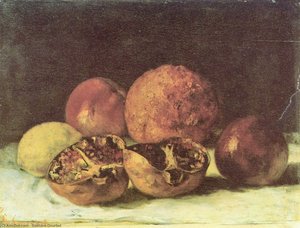
AllPaintingsStore.com, “Ernst Stuven, Fruit Study”, https://allpaintingsstore.com/cs/art/ernst-stuven-fruit-study-9DGR9K-en/ArtistReproduction/ (dne 19 říjen 2026 zkontolováno).
Rukou malované olejné plátno v libovolném rozměru i s rámem, vyrobené našimi umělci na zakázku. ( Přepnout na tisk Přepnout na digitální obraz)
Je uvedeno na okraji objednávkového listu; aktuální stav tohoto listu zní následovně.
Fruit Study
Rozměry reprodukce
Vyšší míra detailu, jemnosti a delší doba výroby
-
U děl nebo reprodukcí, u nichž je jakákoliv strana větší než 105 cm (přibližně 41 palců), bude rám dodán jako sestava v rozloženém stavu. Tato metoda zajišťuje bezpečné doručení a chrání dílo před poškozením během přepravy.
Vyžaduje se odborná montáž – nejedná se o produkt pro svépomocnou realizaci (DIY).
Sestava musí být složena a plátno napnuto zkušeným profesionálním rámovačem s použitím dřevěného lepidla (není součástí balení), kleští na napínání plátna a svorek pro udržení pravých úhlů křížů během schnutí lepidla. Nesprávná montáž nebo nerovnoměrné napnutí plátna může způsobit trvalé poškození uměleckého díla, které není kryto naší zárukou.
Jsou zahrnuty všechny lišty z masivního dřeva, přesně na míru nařezané.
Sestavuje se pomocí součástí balení (šroubů), plus dřevěného lepidla na rohové spoje, které není součástí balení a musí jej zajistit váš rámovač.
Vyžaduje se profesionální nářadí, které není součástí sady: kleště na napínání plátna a svorky pro udržení kolmosti příček během schnutí lepidla.
Důležité:
Spoje v rozích vyžadují lepidlo na dřevo, tyčinky musí být přichyceny pomocí svorek, dokud lepidlo zcela neuschne, a pro napnutí plátna na sestavený rám je zapotřebí kleští na natahování plátna. Žádný z těchto náčiní není součástí sady. Před objednáním této velikosti prosím zajistěte zkušeného profesionálního rámovače.
-
Lesklý lak (zvýrazňuje barvy, chrání před světlem a vlhkostí)
Příklady možných úprav: nahrazení obličeje fotografií zákazníka; přidání domácího mazlíčka (např. výměna kočky za psa); vložení skrytého vzkazu do pozadí; změna krajiny nebo prvků v pozadí.
Celosvětové doručení () za 3–4 týdny namísto standardních 5 týdnů. (17 listopad). Bez kompromisů v kvalitě.
Celosvětová doprava () do 5 týdnů. (24 listopad).
Součást každé objednávky

Explore the technical mastery of botanical illustration from Redouté to Marianne North. Discover the science behind the art today.
 Zobrazit více




 U děl nebo reprodukcí, u nichž je jakákoliv strana větší než 105 cm (přibližně 41 palců), bude rám dodán jako sestava v rozloženém stavu. Tato metoda zajišťuje bezpečné doručení a chrání dílo před poškozením během přepravy.


