


 Náhled
 Sdílet
 Sdílet
 Podrobnosti o díle

 Stáhnout
 Podobné položky
 Rentgenové snímky
 Slideshow
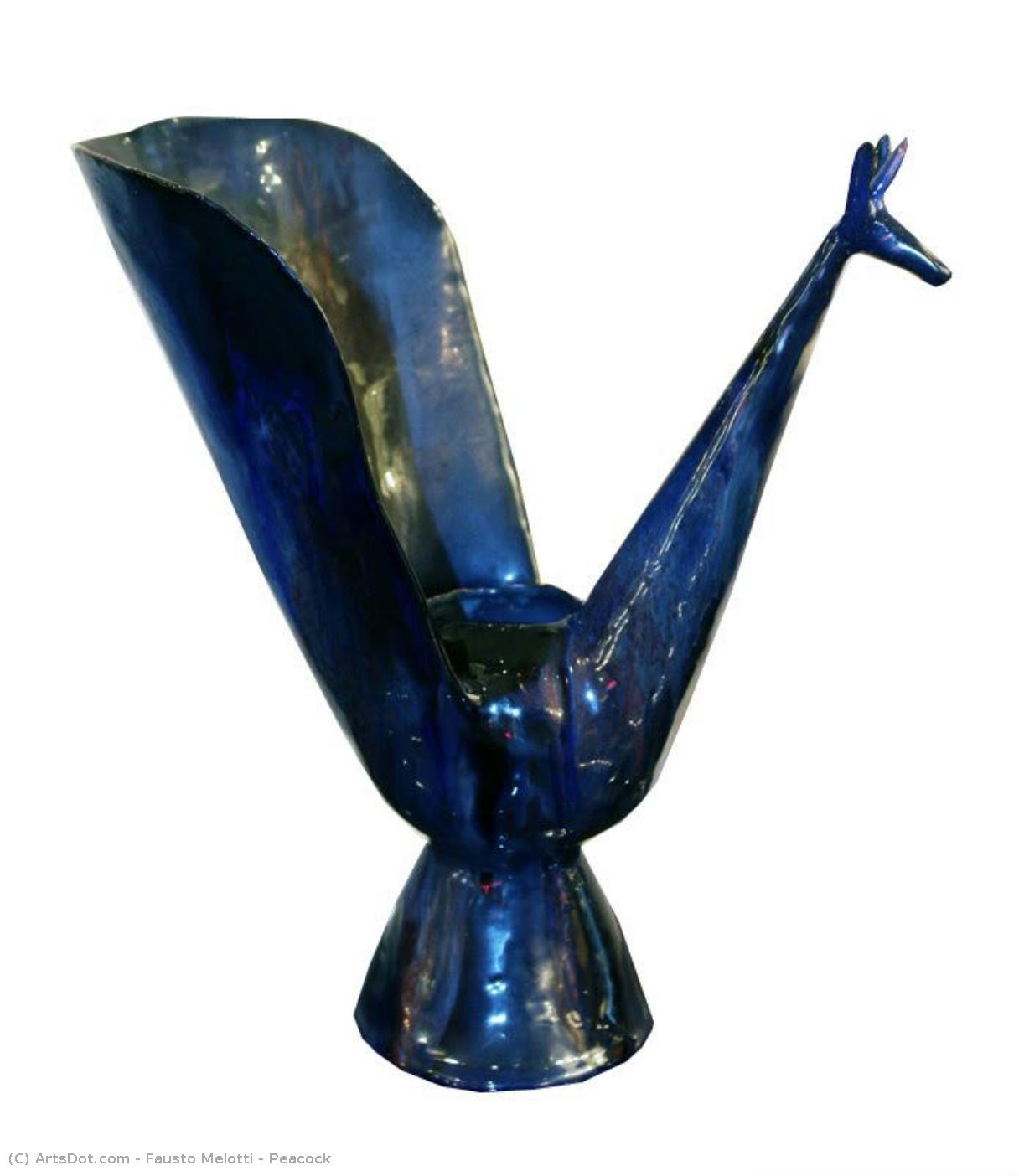
Peacock


 Zobrazit více
Ručně malovaná olejová reprodukce
Ručně malovaná olejná barva na plátně ve vašem zvoleném rozměru i s rámem, vyrobená našimi umělci na zakázku. ( Koupit tisk Koupit obrázek)




































Vyberte si z našich přednastavených velikostí, které odpovídají původním proporcím díla.

Můžete zadat vlastní rozměry pro konkrétní rám nebo prostor. Pokud se vámi vybraná velikost neshoduje s proporcemi původního obrazu, dílo buď ořízneme, nebo jej doplníme ručně malovanými prvky. Před zahájením výroby vám bude zaslán digitální náhled ke schválení.
Upozorňujeme, že náhled na obrazovce neodpovídá skutečnému ořezu ani rozšíření. Pouze digitální náhled přesně zobrazí finální kompozici.
Ačkoliv je možné zvolit vlastní velikost, pro zachování původních proporcí doporučujeme vybrat rozměr z předdefinovaného seznamu.
Po přijetí objednávky vám tým AllPaintingsStore.com zašle e-mail s pokyny a poskytne náhledovou verzi.
Celosvětová doprava () za 3–4 týdny namísto standardních 5 týdnů. (16 srpen). Bez kompromisů v kvalitě.

Zdarma celosvětová expresní doprava

Vysoce kvalitní lněné plátno

Kompletní přepravní pojištění

Záruka vrácení celního poplatku

Záruka přesného barevného shodu

60denní lhůta pro vrácení zboží (pouze při vadách výroby)

100% garance vrácení peněz

Sleva při hromadné objednávce
 Skleněná varianta je dostupná pouze u rozměrů menších než 110 cm

Peacock
Technika reprodukce
Rozměry reprodukce
-


Celková cena za výběr
$ 258
Popis díla
Podobná umělecká díla


Biografie umělce
Fausto Melotti: Bridging Futurism and Ceramic Innovation
Fausto Melotti (1901–1986) stands as a pivotal figure in Italian art history, embodying the dynamism of Futurism alongside a profound dedication to ceramic artistry. Born in Rovereto, nestled amongst the Dolomites, his formative years were steeped in artistic fervor thanks to his family’s involvement with the avant-garde movement—a connection that would profoundly shape his creative trajectory. His sister Renata Melotti married architect Gino Pollini, fostering an environment rich in intellectual discourse and artistic experimentation. The First World War forced a relocation to Florence, where he honed his skills at the Istituto Tecnico di Firenze and pursued higher education at Pisa University, delving into physics and mathematics alongside his burgeoning artistic ambitions. Moving to Milan in 1924, Melotti joined the influential Gruppo 7 architectural collective—Pollini, Luigi Figini, Giuseppe Terragni, Carlo Enrico Rava, Guido Frette, and Ubaldo Castagnoli—a partnership that cemented his position at the forefront of Italian design and artistic innovation. This collaboration exposed him to groundbreaking ideas about form and function, influencing his sculptural explorations for decades to come. He attended Accademia di Brera alongside sculptor Adolfo Wildt, absorbing invaluable lessons in classical technique and humanist expression. His friendship with Kazimir Malevich—particularly Kandinsky’s influence—became a cornerstone of his artistic vision, propelling him toward abstraction while retaining an inherent sensitivity to color and texture. Melotti's artistic journey began amidst the fervor of Futurism, where he collaborated closely with Carlo Belli and Fotrunato Depero at Casa d'Arte Futurista. This association fueled his experimentation with dynamic forms and disruptive visual language—a stylistic hallmark that would persist throughout his career. He embraced monumental commissions for the E 42 Exposition in Rome, crafting impressive sculptures that showcased both technical prowess and conceptual daring. Despite wartime devastation impacting his studio, Melotti persevered, returning to Milan and continuing to push artistic boundaries with ceramic works exploring geometric abstraction and textural interplay. His prolific output spanned decades, culminating in a monumental retrospective at Forte Belvedere in Florence in 1981—a testament to his enduring legacy as one of Italy’s most celebrated sculptors. Melotti's ceramics, characterized by their iridescent surfaces and meticulously crafted forms, transcended mere decorative embellishment; they became vehicles for conveying complex ideas about space, materiality, and visual perception. He achieved international acclaim, securing numerous awards recognizing his contribution to modern sculpture and cementing his place as a visionary artist who bridged the gap between revolutionary artistic movements and timeless aesthetic principles. Melotti’s work continues to inspire artists today, demonstrating the enduring power of experimentation and the transformative potential of embracing diverse influences—a legacy firmly rooted in both Futurism's bold ambition and ceramic art's subtle beauty.
fausto melotti
1901 - 1986
Rychlé fakta
- Artistic Movement Or Style: Futurist & Post-war Art
- Artists Or Movements Influenced By This Artist: ['Futurism']
- Artists Who Influenced This Artist: ['Kandinsky']
- Date Of Birth: 1901
- Date Of Death: 1986
- Full Name: Fausto Melotti
- Nationality: Italian
- Notable Artworks:
- Untitled (624)
- I Sette savi
- Place Of Birth: Rovereto, Italy
Související články

10 legendárních bronzových soch, které změnily umění | AllPaintingsStore
Objevte 10 legendárních bronzových soch od Michelangela, Rodina a dalších mistrů! Ponořte se do historie umění, technik a příběhů za těmito nadčasovými díly. Najděte inspiraci pro váš interiér s AllPaintingsStore.com – repliky nejvyšší kvality.

The Enduring Form: Exploring Themes & Techniques in Sculpture Across Historical Periods
Explore the rich history of sculpture from ancient masterpieces to contemporary innovations. Discover key techniques, influential artists & investment potential for discerning art collectors.

The Enduring Form: Sculpture Across History, Technique & Emotional Resonance
Explore the rich history of sculpture with AllPaintingsStore. Discover key techniques, influential artists & investment potential for discerning collectors. Expert insights into valuing and collecting timeless masterpieces.

10 legendárních bronzových mistrovských děl, která změnila umění | AllPaintingsStore
Objevte 10 legendárních bronzových mistrovských děl od Rodina, Donatella a dalších. Ponořte se do historie umění a nechte se inspirovat nadčasovými sochařskými replikami pro váš interiér. Prozkoumejte celou kolekci online na AllPaintingsStore.com!

Top 10 mistrovských děl abstraktního expresionismu | Umění a dekorace s AllPaintingsStore.com
Prozkoumejte 10 ikonických děl abstraktního expresionismu od Pollocka, Rothka a dalších. Objevte příběhy za obrazy, techniky a barevné palety tohoto revolučního uměleckého hnutí. Reprodukce obrazů s AllPaintingsStore.com – luxusní dekorace pro váš interiér. Prozkoumejte celou kolekci online!



