

Acrylic On Canvas.

§ 1Katalogová data


§ 2Abstraktní
Popis sbírného předmětu
Fernand Léger’s Still Life4 presents a dynamic still life brimming with geometric forms and industrial motifs, characteristic of his Cubist style. This captivating artwork evokes a sense of modern tranquility, inviting you to explore this iconic piece and bring its unique charm into your space.
 Zobrazit více
Biografie umělce
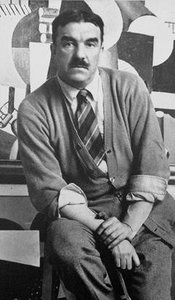
Fernand Léger (1881-1955): Francouzský malíř, průkopník kubismu & Tubismu. Jeho díla oslavují modernitu, stroje a lidskou podobu – předchůdce Pop Artu.
§ 3Komentář
A Symphony of Form and Industry: Exploring Fernand Léger’s Still Life4
Fernand Léger's Still Life4 offers a captivating glimpse into the artist’s revolutionary approach to depicting the modern world – a world increasingly defined by industry, mechanics, and the burgeoning influence of urban life. This meticulously rendered composition transcends the traditional still-life genre, becoming instead a powerful statement about the integration of these new forms into artistic expression. Léger, born Joseph Fernand Henri Léger in 1881 in Argentan, Normandy, was profoundly shaped by his rural upbringing, an experience that would later inform his unique vision when he moved to Paris around 1900. Unlike many artists of his time who sought refuge in pure abstraction, Léger embraced a deliberately structured abstraction, one that actively engaged with the dynamism and geometric precision of the machine age.
- Subject Matter: The painting presents a carefully arranged still life – a wooden table as its central anchor, supporting a vase brimming with verdant plants, an assortment of cups and bowls, and a thoughtfully placed book. These objects are not merely decorative; they are imbued with symbolic weight, representing the domestic sphere, intellectual pursuits, and the burgeoning influence of technology within the home.
- Style & Technique: Léger’s signature style is immediately recognizable in Still Life4. He employs a bold, geometric vocabulary, breaking down forms into their essential shapes – cylinders, spheres, and planes – echoing the construction of machinery. The application of paint is deliberately rough and textured, creating a palpable sense of physicality and emphasizing the materiality of the objects themselves. This technique, often described as “tubism,” reflects Léger’s fascination with the visual language of industrial design.
The Rise of Tubism: A Reaction to Impressionism
Léger's artistic journey was inextricably linked to the broader intellectual and cultural currents of his time. Emerging in the early 20th century, he was part of a movement that challenged the conventions of traditional art – particularly those of Impressionism. The influence of Cubism is evident, but Léger pushed beyond mere fragmentation, seeking to *construct* new forms based on observed reality, specifically the shapes found in machines and urban landscapes. This approach, known as Tubism (named after his studio, “Les Tubes”), aimed to capture not just the appearance of objects but their underlying structure and movement. The deliberate use of repetition and geometric patterns reflects Léger’s belief that these were the fundamental elements of modern life.
- Historical Context: Still Life4 was created during a period of immense social and technological change. The rapid industrialization of Europe, coupled with advancements in transportation and communication, profoundly altered people's lives and perceptions of the world. Léger’s art can be seen as a response to this transformation, attempting to articulate the experience of modernity through a distinctly visual language.
- Color Palette: The painting features a restrained yet impactful color palette dominated by earthy tones – browns, greens, and ochres – punctuated by brighter accents that draw attention to key elements within the composition. This deliberate use of color enhances the sense of depth and volume, further emphasizing the geometric forms.
Symbolism and Emotional Resonance
Beyond its formal qualities, Still Life4 possesses a subtle emotional resonance. The carefully arranged objects evoke a feeling of quiet contemplation – a space for rest and reflection amidst the relentless pace of modern life. The open book suggests intellectual curiosity and the pursuit of knowledge, while the plants introduce an element of natural beauty and tranquility. Léger’s deliberate use of texture and form creates a sense of tactile engagement, inviting the viewer to connect with the objects on a visceral level. This piece is not simply a representation of still life; it's a meditation on the relationship between humanity and technology, domesticity and industry.
A Timeless Masterpiece – Perfect for Your Space
AllPaintingsStore.com offers meticulously crafted hand-painted reproductions of Fernand Léger’s Still Life4, allowing you to bring this iconic artwork into your home or office. Each reproduction is created using the highest quality materials and techniques, ensuring exceptional detail and color accuracy. Whether you are an art collector, interior designer, or simply someone who appreciates beautiful art, a AllPaintingsStore.com reproduction of Still Life4 will be a stunning addition to any space.
Otázky a odpovědi
Která barva v díle "Still Life4" nejvíce vyniká?
Dominantní barvou díla „Still Life4“ od Fernand Léger je Gray (#88766f).
Do jaké místnosti se doporučuje „Still Life4“ od Fernand Léger?
Dílo „Still Life4“ od Fernand Léger je doporučeno do místnosti Living Room. Toto doporučení vychází z tématu, barevnosti a nálady daného díla.
Jaké je umětrovědné postavení díla „Still Life4“ od Fernand Léger?
Uměleckohistorická klasifikace díla „Still Life4“ od Fernand Léger spadá do směru Cubist Still Life v období Modern.


 Přepnout na tisk


 U děl nebo reprodukcí, u nichž je jakákoliv strana větší než 105 cm (přibližně 41 palců), bude rám dodán jako sestava v rozloženém stavu. Tato metoda zajišťuje bezpečné doručení a chrání dílo před poškozením během přepravy.


