Zobrazit v interiéru
 Odeslat
 Sdílet
 Podrobnosti
 Průvodce

 Stáhnout obrázek
 Podobné kousky
 Rentgenové snímky
 Slideshow
 Statistiky
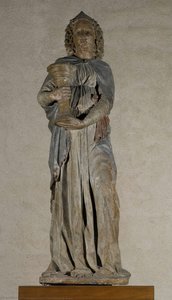
Plamenoucí anděl
 Akryl na plátně
- Obrazová tvorba na stěnu
- Renaissance Revival
 1466
1466 139.0 x 42.0 cm
 Sforzův hrad
 Přečíst si více
Giclée / Umělecký tisk
Giclée nebo plátěný tisk muzeální kvality s rychlou výrobou a širokou nabídkou povrchových úprav. ( Objednat ručně malovanou reprodukci Přepnout na digitální verzi obrazu)




P118B Kč10

P118H Kč10

P118W Kč10

P438Z Kč10

P508JH Kč12

P508YH Kč12

P805H Kč10

P805Z Kč10

P919BZ Kč10

P919G Kč10

P919XJ Kč10

P959ZH Kč10

P968JZ Kč12

W106C Kč8

W218G Kč10

W218JH Kč8

W218Y Kč10

W307PJ Kč10

W316G Kč10

W316PJ Kč8

W316Y Kč10

W398PJ Kč8

W4111J Kč10

W500HY Kč15

W500JH Kč15

W692G Kč12

W849H Kč8

W940BG Kč15

W953PJ Kč8




Vyberte si z našich přednastavených velikostí, které odpovídají původním proporcím díla.

Zadejte šířku a výšku, které potřebujete pro váš rám nebo stěnu. Tisk lze pouze oříznout, nikdy však nelze zvětšit obraz nad jeho původní rozměr, proto při výběru jiného formátu dochází ke ztrátě části obrazu. Před samotným tiskem vám zašleme digitální náhled k schválení. Obraz zobrazený na této stránce nenabízí skutečný výřez — ten uvidíte pouze v náhledu.
Celosvětové doručení () do 2 týdnů namísto standardních 4/5 týdnů. (25 říjen)

Zdarma celosvětová expresní doprava

Vysoce kvalitní lněné plátno

Úplné pojištění přepravy

Záruka vrácení celního poplatku

Záruka věrného barevného shodu

100dení lhůta pro vrácení zboží (pouze při vadách výroby)

100% garance vrácení peněz

Sleva při více objednávkách
 Skleněná varianta je dostupná pouze u rozměrů menších než 110 cm

Plamenoucí anděl
Giclée / Umělecký tisk
Velikost reprodukce
-


Celková cena
Kč 1369
Francesco Solari: Torchbearing Angel – A Beacon of Faith Amidst Medieval Darkness
The “Torchbearing Angel,” attributed to Francesco Solari, stands as a remarkable testament to the artistic spirit of Milan during the late 15th century. Created circa 1466 for Ca’ Granda, the ancient Spedale dei Poveri – now home to the Unità Anatomica Diagnostica e Sperimentale dell'Università degli Studi di Milano – this sculpture embodies a profound fusion of religious devotion and masterful craftsmanship.
Solari’s oeuvre is characterized by an unwavering commitment to depicting biblical figures with meticulous detail, prioritizing emotional resonance over mere stylistic convention. Unlike the prevailing artistic trends of his time—which often favored grandiose narratives and stylized representations—Solari opted for a quieter aesthetic, focusing on conveying spiritual contemplation through subtle gestures and expressive facial features.
- Material: The sculpture is carved from alabaster, a stone prized for its translucence and ability to capture light beautifully. This choice of material underscores the artist’s desire to illuminate the divine presence within his work.
- Style: Solari's style aligns closely with Florentine Gothic art, yet possesses a distinctly Milanese sensibility. He skillfully blends geometric precision with humanist ideals, reflecting the intellectual ferment of the Renaissance era creeping into the medieval landscape.
- Technique: The sculptor employed a technique known as “contrapposto,” positioning the angel’s weight on one leg while maintaining balance through subtle muscular tension. This dynamic pose conveys movement and vitality, mirroring the biblical narrative it portrays—the angel bearing aloft the Holy Light of Christ during the Easter Vigil.
The sculpture's symbolism is multilayered. The torch itself represents divine illumination – the Gospel message – guiding humanity towards salvation. Its upward trajectory symbolizes aspiration and faith, emphasizing the angel’s role as a messenger of God’s grace. The serene expression on the angel’s face reflects inner peace and spiritual contemplation, inviting viewers to contemplate the profound mysteries of Christian belief.
More than just an aesthetically pleasing object, the “Torchbearing Angel” serves as a powerful reminder of Milan's artistic heritage during a pivotal moment in European history. Its enduring beauty lies not only in its technical brilliance but also in its ability to evoke feelings of reverence and wonder—a testament to Solari’s genius and his unwavering dedication to capturing the essence of faith through sculpture.
Otázky a odpovědi
Jakou náladu vyjadřuje „Plamenoucí anděl“ od Francesco Solari v rámci směru Renaissance Revival?
V rámci směru Renaissance Revival je dílo „Plamenoucí anděl“ zachyceno v Reflektivní tónu.
Kdo vytvořil dílo "Plamenoucí anděl" a v jakém roce?
Dílo "Plamenoucí anděl" vytvořil/a Francesco Solari v roce 1466.
Jakou paletu barev a jaký pocit v sobě spojuje dílo "Plamenoucí anděl"?
Paleta Zemité tóny díla „Plamenoucí anděl“ od Francesco Solari ladí s jeho Reflektivní emocionálním vyzněním. Barva je jedním ze způsobů, jakmu umělecké dílo předává pocity.
Související díla


Biografie umělce
The Shadowed Canvas: Exploring the Life and Art of Jean-Baptiste Mongeau
Jean-Baptiste Mongeau, a name perhaps less familiar than his contemporaries, nevertheless stands as a pivotal figure in the late 18th and early 19th French art scene. Born in Lyon in 1785 – a city renowned for its silk weaving and burgeoning artistic community – Mongeau’s life was inextricably linked to the revolutionary fervor sweeping through France. While his contemporaries, like David and Géricault, grappled with grand historical narratives, Mongeau found his voice in the intimate portrayal of everyday life, particularly within the confines of domestic interiors and the quiet contemplation of rural landscapes. His work, characterized by a subtle yet profound use of light and shadow, offers a poignant glimpse into a world on the cusp of dramatic change. Mongeau’s early artistic training was somewhat unconventional. He apprenticed not with a formal academy, but under his father, a skilled cabinet maker and miniature painter. This early exposure to meticulous craftsmanship instilled in him an appreciation for detail and a deep understanding of materials – qualities that would later inform his distinctive style. However, it was the vibrant salon culture of Lyon, filled with discussions of Neoclassicism, Romanticism, and the burgeoning ideals of the Enlightenment, that truly ignited his artistic passion. He initially experimented with historical subjects, producing several small-scale portraits reflecting the aristocratic clientele of the region, but quickly found himself drawn to a more personal and observational approach. A defining moment in Mongeau’s career came during the tumultuous years of the French Revolution and its immediate aftermath. Witnessing firsthand the social upheaval and the subsequent rise of Napoleon, he began to incorporate themes of loss, memory, and the fragility of human existence into his work. This shift is particularly evident in his series of “Intérieurs” – interior scenes depicting ordinary families engaged in their daily routines. These paintings are not grand historical statements; rather, they offer a quiet meditation on the rhythms of domestic life, capturing fleeting moments of tenderness, sorrow, and contemplation. The use of muted colors, often dominated by browns, grays, and ochres, creates an atmosphere of melancholy and introspection – a deliberate departure from the brighter palettes favored by many of his contemporaries. Mongeau’s artistic influences were diverse and complex. While he admired the technical mastery of Jacques-Louis David, he rejected his overtly heroic style, preferring to explore more subtle emotional resonances. He was also deeply affected by the Romantic movement, particularly the emphasis on subjective experience and the power of nature – though he tempered this influence with a distinctly French sensibility. The works of Jean-François Millet, known for his depictions of rural life, served as an important model, demonstrating the potential to find beauty and dignity in the lives of ordinary people. Furthermore, the meticulous detail evident in his work echoes the traditions of Flemish painting, particularly the genre of “tronies” – intimate portraits capturing a single moment of emotion. Despite facing periods of financial hardship and struggling for recognition during his lifetime, Mongeau’s influence on subsequent generations of French artists is undeniable. His emphasis on realism, psychological depth, and the exploration of everyday subjects paved the way for later Impressionist painters like Renoir and Monet. His “Intérieurs” series, in particular, anticipated the focus on domestic interiors that would become a hallmark of 19th-century art. Mongeau’s work was exhibited sporadically throughout his career, primarily at smaller salons and private collections. He died in Lyon in 1847, leaving behind a modest but significant body of paintings – a testament to the quiet power of observation and the enduring beauty of the human experience.Key Works
- La Famille au Repas (1815) - A quintessential “Intérieur” depicting a family gathered around a simple meal, capturing a moment of shared intimacy.
- Le Jardinier Solitaire (1820) – A study in solitude and the beauty of the natural world, showcasing Mongeau’s ability to evoke atmosphere through subtle color variations.
- Portrait de Madame Dubois (1830) - A remarkably intimate portrait capturing a moment of quiet contemplation by a woman reading.
- Le Choeur du Village (1835) – A depiction of villagers gathered for a religious service, highlighting the importance of community and faith in rural France.
Legacy and Historical Context
Mongeau’s art is inextricably linked to the broader historical context of post-revolutionary France. The period following the Napoleonic Wars was marked by social unrest, economic hardship, and a growing sense of disillusionment with grand political narratives. Mongeau's focus on the lives of ordinary people reflected this shift in sensibility – a move away from heroic ideals towards a more grounded and humanistic perspective. His work can be seen as a subtle critique of the excesses of the aristocracy and a celebration of the resilience and dignity of the common man. Furthermore, his exploration of memory and loss resonated with the collective trauma experienced by France following decades of war and upheaval. While not widely celebrated during his lifetime, Mongeau’s quiet yet profound contributions to French art continue to be recognized today as a vital expression of the era's complex social and emotional landscape.
Francesco Solari
1469 , Italy
Rychlé informace
- Date Of Death: 1469
- Place Of Birth: Milan, Italy
- Notable Artworks: ['Various works featured in The EY Exhibition']
- Artistic Movement Or Style: World Goes Pop
Související články

10 legendárních bronzových soch, které změnily umění | AllPaintingsStore
Objevte 10 legendárních bronzových soch od Michelangela, Rodina a dalších mistrů! Ponořte se do historie umění, technik a příběhů za těmito nadčasovými díly. Najděte inspiraci pro váš interiér s AllPaintingsStore.com – repliky nejvyšší kvality.

10 legendárních bronzových mistrovských děl, která změnila umění | AllPaintingsStore
Objevte 10 legendárních bronzových mistrovských děl od Rodina, Donatella a dalších. Ponořte se do historie umění a nechte se inspirovat nadčasovými sochařskými replikami pro váš interiér. Prozkoumejte celou kolekci online na AllPaintingsStore.com!

The Enduring Form: Sculpture Across History, Technique & Emotional Resonance
Explore the rich history of sculpture with AllPaintingsStore. Discover key techniques, influential artists & investment potential for discerning collectors. Expert insights into valuing and collecting timeless masterpieces.

The Enduring Form: Exploring Themes & Techniques in Sculpture Across Historical Periods
Explore the rich history of sculpture from ancient masterpieces to contemporary innovations. Discover key techniques, influential artists & investment potential for discerning art collectors.

High Medieval Art: 10 Masterpieces That Shaped an Era | AllPaintingsStore
Journey through High Medieval Art! Explore 10 iconic masterpieces – from Giotto's frescoes to stunning Gothic cathedrals. Discover the stories behind these timeless paintings, sculptures & illuminated manuscripts. Find museum-quality art reproductions at AllPaintingsStore.com.