

Acrylic On Canvas.

§ 1Katalogová data

Toto umělecké dílo je chráněno autorským právem
Umělecké dílo zobrazené na této stránce je chráněno autorským zákonem, což znamená, že nemůžeme legálně vytvářet ani prodávat jeho identickou reprodukci. Tato ochrana je vymáhána na základě mezinárodních dohod, jako například Berberská úmluva a národními zákony, včetně těch stanovených v Americký autorský zákon – Díl 17. Všechna práva vyhrazena.
Jako etická a právní alternativa nabízíme vlastní, ručně malovaná umělecká díla inspirovaná originálem. Naši zdatní a profesionální umělci si pečlivě studují styl, náladu a uměleckou podstatu originálu, aby vytvořili nové, jedinečné dílo, které vyvolává stejný pocit – přičemž zůstává samostatným originálním tvůrčím dílem.
Tato metoda je plně v souladu s autorským právem, protože nezahrnuje kopírování ani duplikování chráněného díla. Jde o kreativní reinterpretaci – nový obraz, který je inspirován originálem, ale není s ním identický.
 Více informací
§ 2Abstraktní
Popis sbírného předmětu
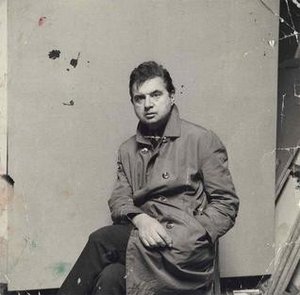
Biografie umělce
Vize duše: Tři studie k portrétu od Francise Baceona (1974). Zlověstná, fragmentovaná tvář plná emocionální intenzity a existenciálního strachu. #Bacon #Umění
§ 3Komentář
A Descent into Existential Angst: Examining Francis Bacon’s “Study for Portrait of Van Gogh III”
Francis Bacon's "Study for Portrait of Van Gogh III," completed in 1957, stands as a chilling testament to the artist’s preoccupation with psychological torment and the inescapable confrontation with mortality. Unlike his more overtly grotesque depictions—such as “Three Studies After Lucian Freud”—this piece eschews explicit horror for a subtle yet pervasive sense of unease, skillfully borrowing stylistic cues from Vincent van Gogh's expressive brushwork.
- Stylistic Echoes of Van Gogh: Bacon deliberately adopted Van Gogh’s agitated impasto technique—thickly applied paint—to convey the artist’s inner turmoil. The swirling brushstrokes mimic Van Gogh’s canvases, particularly “Starry Night,” mirroring a similar yearning for transcendence amidst despair.
- Formal Distortion: Characteristic of Bacon's oeuvre, the portrait is subjected to radical distortion. The figure sprawls across the chair, rendered in fragmented planes and unsettlingly asymmetrical proportions. This deliberate fracturing disrupts conventional notions of representation, prioritizing emotional impact over visual accuracy.
- Color Palette: Dominated by muted reds and browns—colors often associated with blood and decay—the palette reinforces the painting’s melancholic mood. These hues are juxtaposed against a pale yellow background, creating a stark contrast that amplifies the sense of isolation and vulnerability depicted within the composition.
The Artist's Crucible: Shaping Bacon's Vision
Born in Dublin in 1909, Francis Bacon’s artistic journey was marked by instability—a series of relocations fueled by his mother’s illness instilled a profound awareness of displacement. This formative experience profoundly influenced his worldview and subsequently manifested itself in his art. His unconventional upbringing fostered an independent spirit, rejecting formal training and instead absorbing influences from diverse sources like Surrealism and Expressionism.
Notably, Bacon's artistic development was nurtured by Jessie Lightfoot, his nanny who served as a steadfast companion throughout his childhood. Their bond provided solace amidst turbulent circumstances, shaping his emotional landscape and informing his artistic sensibility. Early inclinations toward horse racing and gambling ultimately yielded to the unwavering dedication of painting—a belated commitment that arguably intensified the urgency and visceral intensity of his later works.
Symbolism Beneath the Surface
The inclusion of a bed behind the figure serves as a potent symbol of vulnerability and confinement, representing the inescapable anxieties inherent in human existence. Similarly, the window offers a glimpse of an external world—a realm of possibility and beauty—yet simultaneously underscores the protagonist’s detachment from it. The scattered books contribute to the atmosphere of intellectual contemplation mingled with despair.
Finally, the presence of a car in the background introduces an element of modernity—a reminder of relentless progress and perhaps hinting at the futility of attempting to escape the inescapable grip of time. Bacon’s masterful manipulation of form and color compels viewers to confront uncomfortable truths about human psychology and the inevitability of suffering.
A Legacy of Emotional Intensity
Francis Bacon (1909-1992) remains a cornerstone of modern art, celebrated for his unflinching exploration of existential themes and his bold expressionism. His work continues to resonate with audiences today, prompting contemplation on the human condition and challenging conventional aesthetic standards.
Otázky a odpovědi
Obsahuje "Study for a Portrait 1" výrazné světlonápadové kontrasty?
„Study for a Portrait 1“ od Francis Bacon vykazuje Serene kontrast mezi světlými a tmavými částmi.
Jaká velikost reprodukce se doporučuje pro „Study for a Portrait 1“ od Francis Bacon?
Doporučená velikost tisku pro dílo „Study for a Portrait 1“ od Francis Bacon je Large.
Jak si mohu prohlédnout „Study for a Portrait 1“ od Francis Bacon ve formě skluzobránku?
Dílo „Study for a Portrait 1“ od Francis Bacon si můžete prohlédnout v podobě diaporamy na stránce Slideshow.


 Přepnout na tisk


 U děl nebo reprodukcí, u nichž je jakákoliv strana větší než 105 cm (přibližně 41 palců), bude rám dodán jako sestava v rozloženém stavu. Tato metoda zajišťuje bezpečné doručení a chrání dílo před poškozením během přepravy.


