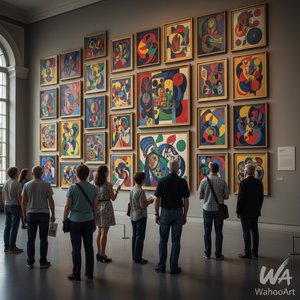
1913. Tempera, 150.0 x 180.0 cm. Museum Kampa.

§ 1Catalogue data

- 150.0 x 180.0 cm


Toto umělecké dílo je chráněno autorským právem
Umělecké dílo zobrazené na této stránce je chráněno autorským zákonem, což znamená, že nemůžeme legálně vytvářet ani prodávat jeho identickou reprodukci. Tato ochrana je vymáhána na základě mezinárodních dohod, jako například Berberská úmluva a národními zákony, včetně těch stanovených v Americký autorský zákon – Díl 17. Všechna práva vyhrazena.
Jako etická a právní alternativa nabízíme vlastní, ručně malovaná umělecká díla inspirovaná originálem. Naši zdatní a profesionální umělci si pečlivě studují styl, náladu a uměleckou podstatu originálu, aby vytvořili nové, jedinečné dílo, které vyvolává stejný pocit – přičemž zůstává samostatným originálním tvůrčím dílem.
Tato metoda je plně v souladu s autorským právem, protože nezahrnuje kopírování ani duplikování chráněného díla. Jde o kreativní reinterpretaci – nový obraz, který je inspirován originálem, ale není s ním identický.
 Více informací
§ 2Abstract
Popis sbírného předmětu
‘The Cathedral,’ by Czech artist František Kupka (1912–13), is a striking oil painting on canvas embodying the principles of Orphism. Its bold geometric forms and harmonious color palette reflect Kupka's fascination with space and his rejection of traditional representation, establishing him as a pivotal figure in abstract art history.
Biografie umělce
František Kupka (1871-1957) – český malíř, průkopník abstraktního umění a orfismu. Jeho dílo se vyznačuje inovativním používáním barev a tvarů, inspirovaným teozofiemi a hudbou.
§ 3Commentary
A Vision of Spiritual Ascent
In the quiet transition between day and night, František Kupka’s 1913 masterpiece, “The Cathedral,” emerges as a profound meditation on the intersection of the earthly and the divine. This work is far more than a mere architectural study; it is a window into a soul seeking transcendence. The composition presents a deceptively simple depiction of a cathedral set against an expansive twilight sky, where the soaring spire and sturdy roof act as anchors for the viewer’s wandering gaze. As one contemplates the scene, scattered figures appear like pilgrims within the landscape, their presence suggesting a shared journey of introspection and spiritual longing. The painting captures a moment of stillness, inviting anyone who views it—whether an art enthusiast or a collector looking for a centerpiece—to pause and enter a state of quiet reverence.
The technical brilliance of Kupka’s approach lies in his mastery of Neo-Cubism and the luminous properties of tempera on canvas. Moving away from the fleeting light-play of the Impressionists, Kupka utilized fractured planes and geometric abstraction to reveal the underlying structure of reality. The use of tempera allows for a remarkable depth of color, where rich, saturated hues interact with subtle tonal variations to create an atmospheric weight. This technique gives the cathedral a physical presence that feels both monumental and ethereal, making it an ideal choice for interior spaces that require a sense of architectural grandeur and intellectual depth.
Symbolism and the Language of Color
Every brushstroke in “The Cathedral” serves a higher purpose, acting as a vessel for Kupka’s deep-seated philosophical inquiries. The artist’s palette is a deliberate study in contrasts, designed to evoke specific emotional responses. The dark blue of the sky does not merely represent nightfall; it embodies the depths of introspection and the vastness of the unknown. This coolness is sharply interrupted by the fiery red of the cathedral's roof, a hue that pulses with passion, vitality, and the heat of human existence. This tension between the contemplative blue and the energetic red creates a visual rhythm that keeps the eye moving, mirroring the very struggle between the mortal self and the eternal spirit.
For the interior designer or art lover, this painting offers a sophisticated way to introduce drama and balance into a room. The verticality of the cathedral spire provides a sense of height and aspiration, while the grounded, heavy tones of the architecture offer stability. It is a piece that speaks of transcendence—a reminder that even amidst the turbulent anxieties of the modern world, there remains a yearning for something greater. To possess a reproduction of this work is to bring a fragment of this historical and spiritual searching into one's own sanctuary, providing a constant source of inspiration and a profound focal point for any curated collection.
Otázky a odpovědi
Do jakého prostoru se doporučuje umělecké dílo „The Cathedral“ od František Kupka?
Reprodukce díla „The Cathedral“ se skvěle hodí do Living Room.
V jakém roce vzniklo dílo "The Cathedral"?
Dílo „The Cathedral“ od František Kupka vzniklo v roce 1913.
Jakým způsobem se dílo „The Cathedral“ vpisuje do celkové tvorby umělce František Kupka?
V rámci tvorby umělce František Kupka se dílo „The Cathedral“ řadí do stylu Orphic Cubism a doplňuje tak motivy cubist abstraction, spiritual quest, parisian avant-garde, modernist vision, exploring space, color interplay, symbolic cathedral, artistic breakthrough.


 Přepnout na tisk


 U děl nebo reprodukcí, u nichž je jakákoliv strana větší než 105 cm (přibližně 41 palců), bude rám dodán jako sestava v rozloženém stavu. Tato metoda zajišťuje bezpečné doručení a chrání dílo před poškozením během přepravy.