


 Zobrazit v interiéru
 Odeslat
 Sdílet
 Podrobnosti
 Průvodce

 Stáhnout obrázek
 Podobné kousky
 Rentgenové snímky
 Slideshow
 Statistiky
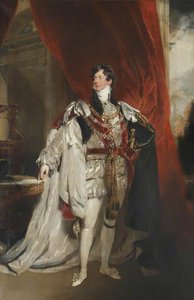
Prince Albert (1819–1861), Consort to Queen Victoria
 1849
1849 133.0 x 86.0 cm
 Přečíst si více
Ručně malovaná olejová reprodukce
Ručně malované olejné plátno v libovolném rozměru i s rámem, vyrobené našimi umělci na zakázku. ( Přepnout na tiskové verze Přepnout na digitální verzi obrazu)




































Vyberte si z našich přednastavených velikostí, které odpovídají původním proporcím díla.

Můžete zadat vlastní rozměry pro konkrétní rám nebo prostor. Pokud se vámi vybraná velikost neshoduje s proporcemi původního obrazu, dílo buď ořízneme, nebo jej doplníme ručně malovanými prvky. Před zahájením výroby vám bude zaslán digitální náhled ke schválení.
Upozorňujeme, že náhled na obrazovce neodpovídá skutečnému ořezu ani rozšíření. Pouze digitální náhled přesně zobrazí finální kompozici.
Ačkoliv je možné zvolit vlastní velikost, pro zachování původních proporcí doporučujeme vybrat rozměr z předdefinovaného seznamu.
Po přijetí objednávky vám tým AllPaintingsStore.com zašle e-mail s pokyny a poskytne náhledovou verzi.
Celosvětová doprava () za 3–4 týdny namísto standardních 5 týdnů. (21 září). Bez kompromisů v kvalitě.

Zdarma celosvětová expresní doprava

Vysoce kvalitní lněné plátno

Úplné pojištění přepravy

Záruka vrácení celního poplatku

Záruka věrného barevného shodu

100dení lhůta pro vrácení zboží (pouze při vadách výroby)

100% garance vrácení peněz

Sleva při více objednávkách
 Skleněná varianta je dostupná pouze u rozměrů menších než 110 cm

Prince Albert (1819–1861), Consort to Queen Victoria
Technika provedení
Velikost reprodukce
-


Celková cena
$ 258
Související díla




Biografie umělce
Frederick Richard Say: A Portraitist of Victorian Dignity
Frederick Richard Say (1804-1868) stands as a testament to the quiet brilliance of Victorian portraiture, capturing the essence of prominent figures – nobility, politicians and families – with an understated elegance that continues to resonate today. Born in London, Say’s artistic journey unfolded against the backdrop of a burgeoning era defined by social reform and artistic innovation, yet his style remained remarkably consistent: a masterful blend of Neoclassical ideals tempered by Romantic sensitivity.- Early Life & Training: Say’s formative years were marked by a privileged upbringing within a family steeped in artistic patronage. He received instruction from John Opie, a celebrated landscape painter and influential figure in the Romantic movement, fostering an appreciation for natural beauty alongside classical form. This dual influence would prove crucial to shaping his distinctive artistic vision.
A Style Defined by Refinement
Say’s technique was characterized by meticulous observation and painstaking detail—traits that elevated his portraits beyond mere likenesses into expressions of character and status. He favored oil paints on canvas, employing a subdued palette dominated by earthy tones and muted blues and greens. Unlike many contemporaries who embraced flamboyant colors and dramatic compositions, Say prioritized clarity of form and tonal gradation, creating images imbued with an atmosphere of dignified repose. His canvases often featured diffused lighting—a technique borrowed from Rembrandt—that subtly sculpted the contours of his subjects’ faces and drapery, conveying a profound sense of realism.- Notable Commissions & Subjects: Say garnered considerable acclaim for his portraits of influential individuals across British society. Among his most celebrated commissions were depictions of Edward Law, 1st Earl of Ellenborough—a staunch advocate for parliamentary reform—and Viscount Bangor, showcasing the aristocratic grandeur of the Victorian era. His meticulous renderings captured not only physical appearance but also psychological nuance, revealing glimpses into the inner lives of his subjects.
Influences & Artistic Legacy
Say’s artistic sensibilities were profoundly shaped by the prevailing aesthetic currents of his time—particularly the influence of Neoclassical sculpture and painting championed by Jacques-Louis David. However, he skillfully integrated Romantic principles into his work, notably in his use of chiaroscuro (the dramatic interplay of light and shadow), mirroring the expressive techniques favored by Rembrandt and Caravaggio. His legacy resides not merely in the beauty of his portraits but also in their contribution to documenting a pivotal period in British history—a time of social upheaval and artistic experimentation.- Further Exploration: For deeper insights into Say’s oeuvre, consider visiting the Marshall M. Fredericks Sculpture Museum in University Center, Michigan, where you can admire sculptures inspired by his meticulous attention to detail and classical ideals. Also explore online resources dedicated to Victorian art history for a comprehensive understanding of his artistic context.
Resources:
- Marshall M. Fredericks Sculpture Museum: https://www.fredericksculpturemuseum.org/
- Sir William Webb Follet: https://www.wfmuseum.org/en/art/sir-william-webb-follet/

frederick richard say
1804 - 1868
Rychlé informace
- Artistic Movement Or Style: Neoclassical/Romantic
- Artists Or Movements Influenced By This Artist: ['Romanticism']
- Artists Who Influenced This Artist: ['Thomas Lawrence']
- Date Of Birth: 1804
- Date Of Death: 1868
- Full Name: Frederick Richard Say
- Nationality: British
- Notable Artworks:
- Sir William Webb Follet
- Edward Law, 1st Earl of Ellenborough
- Edward Ward (3rd Viscount Bangor)
- Place Of Birth: England

