


 Zobrazit v interiéru
 Odeslat
 Sdílet
 Podrobnosti
 Průvodce

 Stáhnout obrázek
 Podobné kousky
 Rentgenové snímky
 Slideshow
 Statistiky
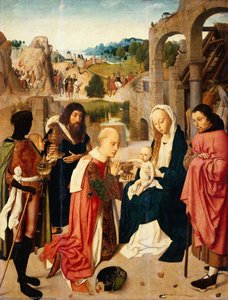
The Holy Kinship (detail) (11)


 Přečíst si více
Ručně malovaná olejová reprodukce
Ručně malované olejné plátno v libovolném rozměru i s rámem, vyrobené našimi umělci na zakázku. ( Přepnout na tiskové verze Přepnout na digitální verzi obrazu)




P118B $10

P118H $10

P118W $10

P438Z $10

P508JH $12

P508YH $12

P805H $10

P805Z $10

P919BZ $10

P919G $10

P919XJ $10

P959ZH $10

P968JZ $12

W106C $8

W218G $10

W218JH $8

W218Y $10

W307PJ $10

W316G $10

W316PJ $8

W316Y $10

W398PJ $8

W4111J $10

W500HY $15

W500JH $15

W692G $12

W849H $8

W940BG $15

W953PJ $8




Vyberte si z našich přednastavených velikostí, které odpovídají původním proporcím díla.

Můžete zadat vlastní rozměry pro konkrétní rám nebo prostor. Pokud se vámi vybraná velikost neshoduje s proporcemi původního obrazu, dílo buď ořízneme, nebo jej doplníme ručně malovanými prvky. Před zahájením výroby vám bude zaslán digitální náhled ke schválení.
Upozorňujeme, že náhled na obrazovce neodpovídá skutečnému ořezu ani rozšíření. Pouze digitální náhled přesně zobrazí finální kompozici.
Ačkoliv je možné zvolit vlastní velikost, pro zachování původních proporcí doporučujeme vybrat rozměr z předdefinovaného seznamu.
Po přijetí objednávky vám tým AllPaintingsStore.com zašle e-mail s pokyny a poskytne náhledovou verzi.
Celosvětová doprava () za 3–4 týdny namísto standardních 5 týdnů. (21 září). Bez kompromisů v kvalitě.

Zdarma celosvětová expresní doprava

Vysoce kvalitní lněné plátno

Úplné pojištění přepravy

Záruka vrácení celního poplatku

Záruka věrného barevného shodu

100dení lhůta pro vrácení zboží (pouze při vadách výroby)

100% garance vrácení peněz

Sleva při více objednávkách
 Skleněná varianta je dostupná pouze u rozměrů menších než 110 cm

The Holy Kinship (detail) (11)
Technika provedení
Velikost reprodukce
-


Celková cena
$ 258
The Holy Kinship (Detail): A Window into Northern Renaissance Spirituality
Geertgen tot Sint Jans’ “The Holy Kinship (detail)” – a captivating fragment from the larger 1485 masterpiece housed in the Rijksmuseum, Amsterdam – offers a profound glimpse into the heart of early Netherlandish painting and the devotional practices of its time. This particular detail, focusing on Mary, mother of Jesus, is not merely a portrait; it’s an intimate tableau brimming with symbolic weight and quiet reverence. The scene unfolds within a meticulously rendered domestic interior, suggesting a moment of respite and familial connection amidst the complexities of Christian faith. Notice immediately the earthy palette – predominantly browns, greens, and ochres – characteristic of Northern Renaissance artists who prioritized atmospheric depth and realistic texture over vibrant color schemes. This restrained use of hue contributes to an overall sense of solemnity and timelessness.
The central figure of Mary is presented as a nun, instantly conveying her spiritual authority and dedication. Her posture is graceful yet grounded, holding a book – likely representing the Holy Scriptures or a devotional text – with a serene expression. The white head covering further emphasizes her role as a devoted servant of God. Observe the intricate detail in her robe, the subtle folds and textures meticulously rendered to create a convincing illusion of fabric. To the left, a child is held by another figure, likely one of Jesus’ siblings, their face turned towards Mary – a gesture of adoration and seeking comfort within her presence. This intimate interaction speaks volumes about the importance of family and lineage within the Christian narrative.
A Domestic Sanctuary: Setting and Composition
The architectural setting is crucial to understanding the painting's emotional impact. The interior, with its columns and arches, evokes a sense of a private chapel or domestic space imbued with religious significance. This wasn’t simply a secular room; it was deliberately designed to foster contemplation and connection with the divine. The inclusion of everyday objects – notably the basket filled with fruit and vegetables in the foreground – subtly anchors the scene in the realities of daily life, reminding us that faith permeated every aspect of existence. It's a masterful juxtaposition of the sacred and the mundane, elevating the ordinary to a realm of spiritual contemplation.
Joseph, identifiable by his carpentry tools, stands to the left, further reinforcing the theme of earthly vocation intertwined with divine purpose. The composition itself is carefully balanced, drawing the viewer’s eye towards Mary at its center while subtly incorporating the other figures and elements within the scene. The use of light and shadow – a hallmark of Northern Renaissance painting – creates a sense of depth and volume, highlighting key features and contributing to the overall atmosphere of solemnity.
Symbolism and Artistic Technique
“The Holy Kinship” is deeply rooted in symbolism, reflecting the prevalent theological concerns of the late 15th century. The depiction of Mary as a nun underscores her role as the Virgin Mother, a central figure in Christian iconography. The book she holds represents not just scripture but also her role as a conduit between God and humanity. The child’s gaze towards Mary symbolizes faith, trust, and the promise of salvation. Geertgen tot Sint Jans' mastery lies in his ability to imbue these symbols with profound meaning through meticulous observation and skillful execution.
The artist’s technique is equally noteworthy. He employed oil paints on panel, a medium that allowed for incredible detail and subtle gradations of tone. The rendering of textures – from the folds of Mary's robe to the rough surface of the basket – is remarkably realistic, creating a convincing illusion of three-dimensionality. This attention to detail, combined with his masterful use of light and shadow, elevates the painting beyond mere representation, transforming it into a powerful expression of faith and devotion. Consider the subtle variations in color within Mary’s robe; these nuances contribute significantly to the overall sense of depth and realism.
A Legacy of Mystery and Artistic Brilliance
Geertgen tot Sint Jans remains an enigmatic figure, his life shrouded in mystery. Yet, through works like “The Holy Kinship,” we can appreciate the extraordinary quality of his art. His paintings are not simply beautiful images; they are windows into a specific cultural and spiritual context – a world where faith, family, and craftsmanship converged to create enduring expressions of artistic brilliance. A reproduction of this detail offers an opportunity to bring this profound work of Northern Renaissance art into your home, allowing you to contemplate its timeless themes and appreciate the skill of one of history’s most intriguing artists.
Související díla




Biografie umělce
Geertgen tot Sint Jans: A Whisper of Brilliance from Haarlem’s Shadows
The name Geertgen tot Sint Jans—a name that echoes softly through the halls of art history—represents a captivating enigma, an artist whose life remains shrouded in mystery yet whose paintings continue to resonate with profound beauty and emotional depth. Flourishing in Haarlem during the latter half of the 15th century – roughly between 1460 and 1490 – Geertgen’s existence is pieced together primarily through the insightful, though somewhat fragmented, writings of Karel van Mander, a Dutch art historian who penned his observations over a century after the artist's untimely death. Van Mander suggests a connection to the Knights Hospitaller of Saint John in Haarlem, lending the artist his distinctive surname – “little Gerard of Saint John” – hinting at a possible association with this influential religious order. Whether he was a lay brother within their ranks or simply held a close affiliation, this connection undeniably shaped the character and subject matter of his artistic output. The scarcity of definitive documentary evidence surrounding Geertgen’s life contributes to an aura of mystique, allowing us to focus intently on the remarkable quality and spiritual intensity of the surviving works that bear his name. It is widely believed that he may have been a student of Albert van Ouwater, a pivotal figure in the development of painting within Haarlem, though concrete proof remains elusive – a tantalizing gap in our understanding of this talented artist.The Fragmentary Legacy: Surviving Masterpieces
Tragically, much of Geertgen’s oeuvre has been lost to the ravages of time and circumstance. The tumultuous history of Haarlem, particularly the devastating siege of 1573 during the Eighty Years' War, resulted in the destruction of countless artworks – a brutal reminder of art’s vulnerability to historical forces. What remains offers tantalizing glimpses into an exceptional talent. The most celebrated surviving pieces are fragments of a large triptych originally created for the altar of the Knights of Saint John. These panels—The Legend of Saint John the Baptist and The Lamentation of Christ – now reside in Vienna’s Kunsthistorisches Museum, their separation from the original structure a poignant reminder of art's fragility. The *Lamentation*, in particular, is renowned for its serene emotionality and innovative landscape, foreshadowing developments that would characterize Dutch painting in the centuries to come. Other attributed works include John the Baptist in the Wilderness, a contemplative depiction of spiritual isolation, and Man of Sorrows, a powerfully moving portrayal of Christ’s suffering. Each surviving panel is a testament to Geertgen's mastery of oil painting techniques, his delicate handling of light, and his ability to imbue religious scenes with profound psychological resonance. The use of *chiaroscuro* – the dramatic interplay of light and shadow – is also notable, enhancing the emotional intensity of his scenes and creating a sense of depth and realism.Innovation in Landscape and Spirituality
Geertgen tot Sint Jans distinguished himself through several key artistic innovations. He possessed an exceptional sensitivity to landscape, integrating it seamlessly into the narrative structure of his paintings. Unlike many of his contemporaries who used landscapes merely as decorative backdrops, Geertgen’s settings are imbued with symbolic meaning and contribute significantly to the overall emotional impact of the work. His landscapes aren't simply realistic depictions; they evoke a sense of spiritual tranquility and reflect the inner state of the figures within them. The *Legend of Saint John the Baptist*, for example, features a vast, desolate wilderness that mirrors the saint’s solitary journey and his confrontation with temptation. Furthermore, Geertgen demonstrated a remarkable ability to convey emotion through subtle gestures and facial expressions. His figures are not grand or theatrical but possess an intimate humanity that draws the viewer into their world of faith and sorrow. The *Man of Sorrows*, in particular, is characterized by its profound sense of grief – a testament to Geertgen’s skill in capturing human suffering with remarkable sensitivity. These innovations marked a departure from the more stylized approaches prevalent at the time and established Geertgen as a pioneer in the development of Northern Renaissance painting.Influences and Artistic Development
While much remains speculative, it is believed that Geertgen's early artistic training was heavily influenced by Albert van Ouwater, a prominent Haarlem painter known for his meticulous realism and mastery of oil paint. Van Mander suggests that Geertgen spent several years studying under Ouwater, absorbing the master’s techniques and stylistic principles. However, Geertgen quickly developed his own distinctive voice, moving beyond mere imitation to create works that were both deeply personal and profoundly expressive. His early paintings often exhibit a directness of style and a focus on narrative clarity, reminiscent of the International Gothic tradition. As he matured, however, his work became increasingly characterized by a greater sense of psychological depth and emotional intensity – qualities that would become hallmarks of the Haarlem school of painting. The influence of Flemish artists, particularly Jan van Eyck and Rogier van der Weyden, is also evident in Geertgen’s use of detail, perspective, and color. Yet, he skillfully integrated these influences into his own unique style, creating a synthesis that was both innovative and deeply rooted in the artistic traditions of Northern Europe.A Lasting Significance: A Bridge Between Eras
Despite the limited number of securely attributed works, Geertgen tot Sint Jans occupies a significant position within the history of Early Netherlandish painting. His influence can be detected in the work of later Dutch masters, particularly those associated with the Haarlem school. He represents a crucial bridge between the more formal and stylized conventions of the International Gothic style and the burgeoning realism of the 16th century – embodying a delicate balance between spiritual devotion and artistic innovation. The *Lamentation of Christ*, in particular, stands as a testament to his skill and vision, demonstrating his ability to capture profound emotion through subtle gestures and evocative landscapes. Geertgen’s legacy endures not only through his surviving masterpieces but also through the enduring mystery that surrounds his life – a poignant reminder of the limitations of historical knowledge and the power of art to transcend them. His paintings continue to captivate viewers with their beauty, emotional depth, and spiritual resonance, ensuring that the whisper of brilliance from Haarlem’s shadows will continue to be heard for generations to come.
Geertgen tot Sint Jans
1460 - 1490 , Nizozemsko
Rychlé informace
- Artistic Movement Or Style: Raný severoevropský styl
- Artists Or Movements Influenced By This Artist: ['Haarlemská škola']
- Artists Who Influenced This Artist: ['Albert van Ouwater']
- Date Of Birth: c. 1465, Leiden
- Date Of Death: c. 1495, Haarlem
- Full Name: Geertgen tot Sint Jans
- Nationality: Nizozemec
- Notable Artworks:
- Lamentace Krista
- Legenda sv. Jana
- Place Of Birth: Leiden, Nizozemsko
Související články
Northern Mannerism: The Dramatic Evolution of European Art through Elegant Distortion and Tension
Explore the dramatic evolution of Northern Mannerism. Discover how 16th-century artists moved from Renaissance harmony to elegant distortion, tension, and complex symbolism in European art history.

