

Oil On Canvas.

§ 1Catalogue data


Toto umělecké dílo je chráněno autorským právem
Umělecké dílo zobrazené na této stránce je chráněno autorským zákonem, což znamená, že nemůžeme legálně vytvářet ani prodávat jeho identickou reprodukci. Tato ochrana je vymáhána na základě mezinárodních dohod, jako například Berberská úmluva a národními zákony, včetně těch stanovených v Americký autorský zákon – Díl 17. Všechna práva vyhrazena.
Jako etická a právní alternativa nabízíme vlastní, ručně malovaná umělecká díla inspirovaná originálem. Naši zdatní a profesionální umělci si pečlivě studují styl, náladu a uměleckou podstatu originálu, aby vytvořili nové, jedinečné dílo, které vyvolává stejný pocit – přičemž zůstává samostatným originálním tvůrčím dílem.
Tato metoda je plně v souladu s autorským právem, protože nezahrnuje kopírování ani duplikování chráněného díla. Jde o kreativní reinterpretaci – nový obraz, který je inspirován originálem, ale není s ním identický.
 Více informací
§ 2Abstract
Popis sbírného předmětu
Explore Georges Braque's masterful still lifes—featuring serene landscapes and subtle color palettes—in *The Poetry of Things*, a London exhibition celebrating his enduring legacy beyond Cubism.
Biografie umělce
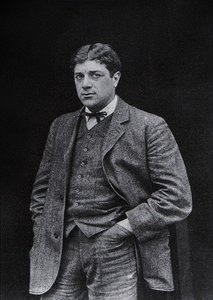
Georges Braque (1882-1963): Pionér kubismu & fauvizmu. Objevte jeho inovativní umění, od obrazů z L'Estaque po fascinující koláže. #Braque #Kubismus #Umění
§ 3Commentary
A Quiet Revolution in Still Life
To gaze upon Georges Braque’s “Dead Nature” is to witness a profound moment of stillness within the turbulent currents of modern art history. Created in 1930, this work serves as a masterful testament to the artist's ability to find complexity within simplicity. While at first glance the painting appears to be a humble arrangement of fruit and glass, it is, in truth, a sophisticated exploration of how we perceive the physical world. Braque does not merely present a bowl of fruit; he invites the viewer into a reconstructed reality where the boundaries between object and space begin to dissolve. For the discerning collector or interior designer, this piece offers a captivating focal point that brings an intellectual depth and a sense of timelessness to any curated space.
The composition centers on a ceramic bowl, rendered in soft greenish-yellow tones, which holds a collection of fruit that seems to pulse with a muted, internal light. Beside it, a glass vessel catches the ambient light, its transparency interrupted by the rhythmic application of paint. Braque’s mastery lies in his ability to use geometric planes—subtle cubes and cylinders—to overlap and intersect, disrupting traditional perspective. This technique, a hallmark of his Cubist evolution, forces the eye to move across the canvas, discovering new facets of form with every glance. The interplay of light and shadow is not merely decorative but structural, creating a sense of weight and presence that anchors the entire composition.
The Alchemy of Texture and Tone
Braque’s technical prowess is most evident in his deliberate use of color and texture to evoke emotion. He moves away from the vibrant, almost aggressive palettes of his earlier Fauvist influences, opting instead for a harmonious arrangement of earthy ochres, deep umbers, and subtle creams. These muted tones create a sophisticated atmosphere that feels both grounded and ethereal. The artist employs delicate glazing techniques to build layers of depth, allowing light to seemingly trapped beneath the surface of the paint. This creates a tactile quality; one can almost feel the coolness of the glass and the matte smoothness of the ceramic bowl.
The emotional impact of “Dead Nature” is one of contemplative peace. There is no frantic movement here, only the quiet dignity of objects existing in a state of permanent repose. For those looking to decorate a sanctuary-like environment—perhaps a study, a library, or a minimalist living area—this artwork provides a sense of stability and intellectual rigor. It does not demand attention through loud colors but earns it through its nuanced textures and the subtle tension between its fragmented shapes. It is a piece that rewards slow looking, offering new layers of meaning to anyone willing to linger before its surface.
A Legacy of Visionary Thought
Understanding “Dead Nature” requires acknowledging the historical weight Braque carried as a pioneer of the Cubist movement. Alongside Pablo Picasso, Braque dismantled the "window onto the world" that had defined Western art since the Renaissance. He replaced it with a multidimensional experience, prioritizing how an object is known by the mind rather than just how it is seen by the eye. This painting represents a mature stage of this journey, where the radical experiments of his youth have settled into a refined, poetic language of form.
Owning a high-quality reproduction of such a seminal work allows for the integration of art history into the modern home. It is more than a decorative element; it is an invitation to participate in the dialogue of the avant-garde. Whether placed in a contemporary setting with clean lines or nestled within a classic, traditional interior, “Dead Nature” acts as a bridge between the revolutionary spirit of the early 20th century and the aesthetic sensibilities of today. It remains a profound symbol of how art can transform the mundane into the extraordinary.
Otázky a odpovědi
Co zachycuje dílo "Dead nature"?
Motivy díla „Dead nature“ jsou bowl, ceramics, reflection, dots, contrast, composition, monochrome.
Je dílo „Dead nature“ od Georges Braque spíše světlé, nebo tmavé?
„Dead nature“ má celkovou jasnost deep_shadow a jeho luminanci je Dark.
Jak významné je dílo „Dead nature“ v rámci směru Cubism?
V rámci směru Cubism má dílo „Dead nature“ úroveň popularity Iconic.


 Přepnout na tisk


 U děl nebo reprodukcí, u nichž je jakákoliv strana větší než 105 cm (přibližně 41 palců), bude rám dodán jako sestava v rozloženém stavu. Tato metoda zajišťuje bezpečné doručení a chrání dílo před poškozením během přepravy.


