

Acrylic On Canvas.

§ 1Katalogová data


Toto umělecké dílo je chráněno autorským právem
Umělecké dílo zobrazené na této stránce je chráněno autorským zákonem, což znamená, že nemůžeme legálně vytvářet ani prodávat jeho identickou reprodukci. Tato ochrana je vymáhána na základě mezinárodních dohod, jako například Berberská úmluva a národními zákony, včetně těch stanovených v Americký autorský zákon – Díl 17. Všechna práva vyhrazena.
Jako etická a právní alternativa nabízíme vlastní, ručně malovaná umělecká díla inspirovaná originálem. Naši zdatní a profesionální umělci si pečlivě studují styl, náladu a uměleckou podstatu originálu, aby vytvořili nové, jedinečné dílo, které vyvolává stejný pocit – přičemž zůstává samostatným originálním tvůrčím dílem.
Tato metoda je plně v souladu s autorským právem, protože nezahrnuje kopírování ani duplikování chráněného díla. Jde o kreativní reinterpretaci – nový obraz, který je inspirován originálem, ale není s ním identický.
 Více informací
§ 2Abstraktní
Popis sbírného předmětu
Explore Georges Braque’s ‘untitled (1705)’ – a striking Cubist sketch of a cello & Bach aria. Geometric abstraction, raw lines, and minimalist design. A unique artwork for collectors.
Biografie umělce
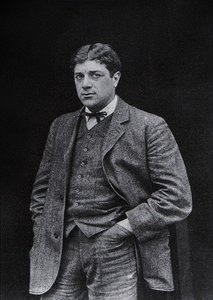
Georges Braque (1882-1963): Pionér kubismu & fauvizmu. Objevte jeho inovativní umění, od obrazů z L'Estaque po fascinující koláže. #Braque #Kubismus #Umění
§ 3Komentář
A Glimpse into Genesis: Deconstructing Form with Braque’s Untitled Cello (c. 1705)
Georges Braque's untitled sketch of around 1705 isn’t merely a study; it is a pivotal moment captured on paper, a visual articulation of the seismic shift occurring within the artist’s mind and, consequently, in the trajectory of modern art. It exists as a powerful precursor to Cubism, a delicate balance between representation and abstraction where the familiar forms of a cello and sheet music are dissected and re-presented through a lens of geometric inquiry. The work doesn't offer the comforting illusion of reality; instead, it presents us with fragments, planes, and lines that demand intellectual engagement rather than passive observation.
The Language of Lines and Planes
The composition is strikingly austere. A cello, dominating the upper left quadrant, isn’t rendered as a sensuous, organic form but as an assembly of angular shapes defined by rich red-brown tones. The strings are suggested not through texture or shading, but with precise, parallel lines—a deliberate emphasis on linearity over tactile sensation. Below it, a pale cream rectangle bearing the inscription ‘Aria de Bach’ overlaps with the cello's structure, creating a dynamic interplay of positive and negative space that disrupts traditional depth perception. This overlapping isn’t accidental; it is a key element in Braque’s dismantling of conventional pictorial space. The neutral grey background serves not as an environment but as an isolating force, intensifying the visual impact of these fragmented forms. Executed with visible pencil strokes, the sketch possesses a raw, unfinished quality that underscores its exploratory nature. This isn't a preparatory drawing *for* something else; it *is* the exploration itself—a rapid unfolding of thought manifested in line and plane.
Braque’s Intellectual Journey & The Dawn of Cubism
Born into a family of painters, Braque initially followed a traditional path before seeking a more intellectually rigorous approach to art. His early work flirted with Fauvism's bold colors, but he quickly moved beyond its purely emotional expression, drawn instead towards the structural foundations of painting. This untitled cello sketch falls squarely within this transitional period, preceding his full immersion into Cubism alongside Pablo Picasso. It demonstrates a growing fascination with reducing objects to their essential geometric components—an idea that would become central to the Cubist revolution. The choice of a cello and Bach’s music is significant; both represent order, structure, and intellectual discipline. By deconstructing these symbols, Braque seems to be questioning the very nature of harmony and representation itself. He isn't attempting to capture the joy of music or the beauty of an instrument but rather to analyze their underlying forms and challenge our perceptions.
A Statement for Modern Spaces
For collectors and designers, this piece—or a meticulously crafted reproduction—offers a sophisticated statement. Its monochromatic palette and geometric abstraction lend themselves seamlessly to modern and minimalist interiors. Beyond its aesthetic appeal, the artwork’s historical significance and intellectual depth make it a compelling conversation starter, appealing to those who appreciate art history and the evolution of abstract thought. It is a work that rewards close observation and contemplation—a testament to Braque's enduring legacy as a pioneer who dared to dismantle convention and forge a new visual language.
Otázky a odpovědi
Jakou saturaci a intenzitu má dílo „untitled (1705)“ od Georges Braque?
Dílo „untitled (1705)“ od Georges Braque je zachyceno s Subtle Color saturací a Monochromatic intenzitou.
Je „untitled (1705)“ od Georges Braque obrazem, kresbou nebo grafikou?
Dílo „untitled (1705)“ od Georges Braque je klasifikováno jako WallArt. Tato kategorie určuje typ uměleckého díla, kterým je originál.
Jsou barvy v díle „untitled (1705)“ od Georges Braque syté, nebo tlumené?
Nasycení barevné palety díla "untitled (1705)" je na úrovni Subtle Color.


 Přepnout na tisk


 U děl nebo reprodukcí, u nichž je jakákoliv strana větší než 105 cm (přibližně 41 palců), bude rám dodán jako sestava v rozloženém stavu. Tato metoda zajišťuje bezpečné doručení a chrání dílo před poškozením během přepravy.


