


 Náhled
 Sdílet
 Sdílet
 Podrobnosti o díle

 Stáhnout
 Podobné položky
 Rentgenové snímky
 Slideshow
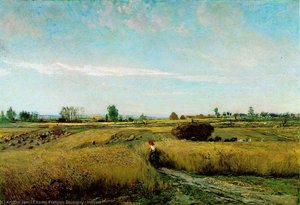
Field work
 33.0 x 46.0 cm
 Palác parlamentu - Sněmovna deputovaných
 Zobrazit více
Giclée / Umělecký tisk
Giclée nebo plátěný tisk muzeální kvality s rychlou výrobou a flexibilními možnostmi povrchové úpravy. ( Koupit ručně malovaný obraz Koupit obrázek)




































Vyberte si z našich přednastavených velikostí, které odpovídají původním proporcím díla.

Můžete zadat vlastní rozměry tak, aby výtvor odpovídal konkrétnímu rámu nebo prostoru. Pokud zvolená velikost nebude odpovídat poměru stran původního obrazu, dílo buď ořížeme, nebo obraz rozšíříme pomocí zrcadlového efektu či jednobarevného okraje. Před zahájením výroby vám bude zaslán digitální náhled k schválení.
Mějte prosím na paměti, že náhled na obrazovce neodráží skutečné oříznutí nebo rozšíření. Pouze digitální náhled přesně zobrazí finální kompozici.
Ačkoliv jsou k dispozici i vlastní rozměry, pro zachování původních proporcí doporučujeme vybrat si rozměr z předdefinovaného seznamu.
Celosvětové doručení () do 2 týdnů namísto standardních 4/5 týdnů. (16 srpen)

Zdarma celosvětová expresní doprava

Vysoce kvalitní lněné plátno

Kompletní přepravní pojištění

Záruka vrácení celního poplatku

Záruka přesného barevného shodu

60denní lhůta pro vrácení zboží (pouze při vadách výroby)

100% garance vrácení peněz

Sleva při hromadné objednávce
 Skleněná varianta je dostupná pouze u rozměrů menších než 110 cm

Field work
Giclée / Umělecký tisk
Rozměry reprodukce
-


Celková cena za výběr
$ 64
Podobná umělecká díla


Biografie umělce
Gheorghe Ionescu: A Surreal Vision of Romanian Landscape
Gheorghe Ionescu (born January 31, 1943), a Romanian professional handball manager, stands apart from many artists of his era—not merely for his accomplishments on the field but also for his singular artistic vision. While primarily recognized as a pivotal figure in women’s handball coaching, particularly with Mureșul Târgu Mureș and Chimistul Râmnicu Vâlcea, Ionescu's contribution to Romanian art transcends sport; it resides in his distinctive approach to landscape painting—a style characterized by unsettling juxtapositions of reality and dreamlike abstraction. Born in Fetesti-Ialomita, Romania, Ionescu’s artistic journey began under the tutelage of Camil Ressu & Simion Iuca at the Academy of Fine Arts in Bucharest. This formative period instilled a foundational understanding of traditional techniques while simultaneously nurturing an inclination toward experimentation and pushing boundaries. His early works demonstrate a meticulous attention to detail—capturing the subtleties of Romanian countryside vistas—yet these depictions are infused with an underlying tension, hinting at hidden narratives and distorted perspectives. A significant turning point arrived in 1939 when Ionescu participated in Official Spring Exhibition Portrait of a Girl, marking his debut into the artistic landscape. This experience solidified his commitment to portraying human subjects alongside natural elements—a stylistic choice that would become synonymous with his oeuvre. The Ministry of Art recognized his talent by purchasing “Winter Landscape,” establishing him as an artist of considerable promise and securing crucial patronage for his future endeavors. Throughout the 1940s and 50s, Ionescu continued to hone his craft, exhibiting at prestigious events like Official Autumn Exhibition and State Exhibitions of Plastic Arts—receiving accolades from influential institutions that acknowledged his artistic merit. His membership in the Plastic Artist Association further cemented his position within Romania’s artistic community, fostering collaborations and expanding his creative horizons. Notably, he was awarded a Paris scholarship in 1947, showcasing his ambition to engage with international artistic trends. Ionescu's artistic output extended beyond traditional landscapes; he embraced surrealism—a movement that championed irrationality and dreamlike imagery as vehicles for exploring psychological depths. This stylistic inclination is vividly apparent in his animated shorts, notably “Robot Chicken”-inspired pieces—works that exemplify a masterful blend of meticulous stop-motion animation and darkly comedic storytelling. These animations aren’t merely visual representations; they are deliberate provocations designed to unsettle viewers and confront them with uncomfortable truths about societal norms and human behavior. His groundbreaking achievement came in 1995 when he guided Romania's women’s handball team to a quarter-final appearance at the FIFA Women’s World Championship—a feat considered extraordinary given the prevailing circumstances. More than just tactical brilliance, Ionescu instilled a spirit of defiance and creativity within his squad, mirroring the ethos of his artistic practice. The Romanian team defeated Denmark in the group stage, demonstrating resilience and strategic acumen—qualities that resonated deeply with audiences worldwide. His legacy as an artist isn't solely defined by his visual creations but also by his unwavering belief in challenging conventions and transforming perceptions. His influence extends beyond the realm of handball; he has mentored aspiring artists and instilled a passion for experimentation within Romania’s artistic landscape. Gheorghe Ionescu remains a testament to the power of art—a force capable of capturing not only the beauty of the natural world but also the complexities of human experience—all filtered through a lens of surreal humor and unforgettable visual storytelling.
gheorghe ionescu
1943 - , Romania
Rychlé fakta
- Artistic Movement Or Style: Robot Chicken-inspired animations
- Artists Or Movements Influenced By This Artist: ['Stop Motion Animation']
- Artists Who Influenced This Artist:
- Camil Ressu
- Simion Iuca
- Date Of Birth: January 31, 1943
- Date Of Death: Living
- Full Name: Gheorghe Ionescu
- Nationality: Romanian
- Notable Artworks: ['Winter Landscape']
- Place Of Birth: Romania



