


 Náhled
 Sdílet
 Sdílet
 Podrobnosti o díle

 Stáhnout
 Podobné položky
 Rentgenové snímky
 Slideshow
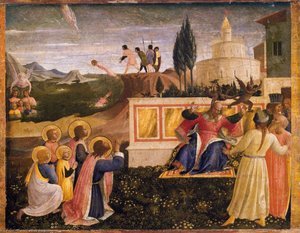
Saint Stephen
 Zobrazit více
Giclée / Umělecký tisk
Giclée nebo plátěný tisk muzeální kvality s rychlou výrobou a flexibilními možnostmi povrchové úpravy. ( Koupit ručně malovaný obraz Koupit obrázek)




































Vyberte si z našich přednastavených velikostí, které odpovídají původním proporcím díla.

Můžete zadat vlastní rozměry tak, aby výtvor odpovídal konkrétnímu rámu nebo prostoru. Pokud zvolená velikost nebude odpovídat poměru stran původního obrazu, dílo buď ořížeme, nebo obraz rozšíříme pomocí zrcadlového efektu či jednobarevného okraje. Před zahájením výroby vám bude zaslán digitální náhled k schválení.
Mějte prosím na paměti, že náhled na obrazovce neodráží skutečné oříznutí nebo rozšíření. Pouze digitální náhled přesně zobrazí finální kompozici.
Ačkoliv jsou k dispozici i vlastní rozměry, pro zachování původních proporcí doporučujeme vybrat si rozměr z předdefinovaného seznamu.
Celosvětové doručení () do 2 týdnů namísto standardních 4/5 týdnů. (18 srpen)

Zdarma celosvětová expresní doprava

Vysoce kvalitní lněné plátno

Kompletní přepravní pojištění

Záruka vrácení celního poplatku

Záruka přesného barevného shodu

60denní lhůta pro vrácení zboží (pouze při vadách výroby)

100% garance vrácení peněz

Sleva při hromadné objednávce
 Skleněná varianta je dostupná pouze u rozměrů menších než 110 cm

Saint Stephen
Giclée / Umělecký tisk
Rozměry reprodukce
-


Celková cena za výběr
$ 64
Podobná umělecká díla




Biografie umělce
Giovanni del Biondo (1356–1399): Florentine Gothic and Early Renaissance Painter
Giovanni del Biondo, born around 1356 in Casentino, Italy, remains a figure shrouded in mystery—his precise birthdate elusive despite meticulous tax records confirming his residency in Florence from 1359 until his untimely death in 1399. He gained Florentine citizenship as ‘Iohannes Biondi de Casentino pictor,’ marking the beginning of his artistic journey within the burgeoning Gothic and Early Renaissance landscape of Tuscany. While biographical details are scarce, scholars believe he honed his skills in the workshop of Andrea di Cione and Bernardo Daddi, absorbing stylistic cues from masters like Giotto—a connection that profoundly shaped his distinctive oeuvre.Early Career and Frescoes: Echoes of Giotto’s Genius
Del Biondo’s artistic ascent commenced with fresco commissions, demonstrating an immediate affinity for Giotto's groundbreaking approach to portraying human emotion and spatial realism. His earliest works exhibit a palpable influence from Giotto’s style—characterized by simplified forms, luminous colors, and a deliberate avoidance of excessive ornamentation. These frescoes weren’t merely decorative; they conveyed spiritual narratives with remarkable sensitivity, reflecting the prevailing artistic currents of the era. The careful observation of nature and the expressive rendering of human figures stand as testament to his formative training and unwavering dedication to Giotto's legacy.Panel Paintings: Exploring Ambrosio Lorenzetti’s Vision
Moving beyond fresco painting, Del Biondo transitioned to tempera on panel—a medium favored by artists like Ambrosio Lorenzetti and Andrea di Cione—allowing for greater textural detail and nuanced tonal gradations. His panel paintings frequently incorporated elements of Lorenzetti's visionary depictions of urban life and moral allegory, showcasing his intellectual curiosity alongside artistic prowess. The compositions often prioritized atmospheric perspective and subtle shading techniques, creating immersive environments that captivated viewers. Furthermore, Del Biondo’s figures gained considerable dynamism and spontaneity—a departure from the rigid formalism prevalent in earlier Gothic art—reflecting a growing appreciation for naturalistic representation.Polyptych Altarpieces: Symbolism and Decorative Flourish
Del Biondo achieved renown primarily through his monumental polyptych altarpieces—elaborate religious artworks designed to adorn churches and inspire devotion. Two surviving polyptychs bear his signature, cementing his reputation as a master craftsman and innovator. These altarpieces exemplify Del Biondo’s meticulous attention to detail—from the intricate drapery folds to the shimmering gold leaf embellishments—transforming them into dazzling displays of artistic virtuosity. The symbolism embedded within each panel communicated profound theological concepts—affirming faith, commemorating saints, and conveying narratives from biblical scripture—serving as powerful conduits for spiritual contemplation.Style and Legacy: Distinctive Florentine Expression
Giovanni del Biondo’s stylistic hallmarks included asymmetrical proportions, sharply defined facial features, and a pronounced sense of design—characteristics that distinguished him from his contemporaries. His technique involved layering pigments with remarkable precision—creating textures and tonal harmonies that captivated the eye. Despite occasional inconsistencies stemming from studio assistants employing varying levels of skill, Del Biondo maintained a consistent artistic vision throughout his career—producing works that embody the spirit of Florentine Gothic and Early Renaissance art. He remains an artist whose distinctive style continues to inspire admiration and scholarly investigation—a testament to his enduring contribution to European painting history.Notable Achievements
* Two surviving polyptych altarpieces: Demonstrating exceptional craftsmanship and artistic innovation. * Frescoes reflecting Giotto’s influence: Establishing a foundational connection with one of the most influential painters of the era. * Panel paintings incorporating Lorenzetti's vision: Embracing intellectual curiosity alongside artistic skill.
giovanni del biondo
1356 - 1399
Rychlé fakta
- Artistic Movement Or Style: Gothic & Early Renaissance
- Artists Or Movements Influenced By This Artist:
- Ambrosio Lorenzetti
- Bernardo Daddi
- Artists Who Influenced This Artist:
- Giotto
- Andrea di Cione
- Date Of Death: 1399
- Full Name: Giovanni del Biondo
- Nationality: Italian
- Notable Artworks:
- San Zanobi
- Polittico Di San Giovanni Valdarno
- Place Of Birth: Casentino



