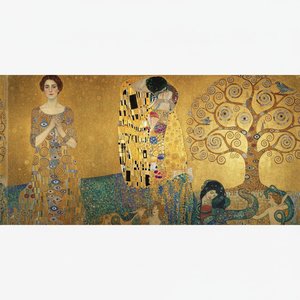
1869. Acrylic On Canvas.

§ 1Katalogová data


§ 2Abstraktní
Popis sbírného předmětu
Moreau’s works explore themes of myth and religion, characterized by elaborately encrusted surfaces built up from many layers of pigment. He was hailed as ‘the Symbolist painter par excellence,’ reflecting his profound influence on the art world.
 Zobrazit více
Biografie umělce
Gustave Moreau (1826-1898) byl francouzský symbolistický malíř, známý svými mytologickými a biblickými obrazy plnými symboliky a snové atmosféry. Vlivný umělec inspirovaný Delacroixem a renesancí.
§ 3Komentář
A Dream Weaver of Symbolism: Gustave Moreau’s Perseus and Andromeda
Gustave Moreau (1826–1898) stands apart from his contemporaries as a visionary artist who championed the principles of Symbolism, transforming the canvas into a realm where mythic narratives intertwine with profound psychological exploration. Born into Parisian bourgeois family—his father an architect and archivist—Moreau’s formative years instilled within him a deep appreciation for intellectual pursuits and artistic sensibilities. Rejecting the prevailing Realist and Impressionist trends, he embarked on a singular journey to capture not merely what was seen but what was felt – delving into the subconscious and conveying spiritual truths through meticulously crafted imagery. His artistic breakthrough arrived at the École des Beaux-Arts under François-Édouard Picot, where Moreau honed his skills in traditional academic painting while simultaneously cultivating an unconventional aesthetic. However, it was Moreau’s unwavering commitment to Symbolism that cemented his legacy as ‘the Symbolist painter par excellence,’ earning him accolades from art critic Jean Cassou for his ability to distill complex ideas into visually arresting compositions. Unlike Impressionists who sought to depict fleeting moments of light and color, Moreau prioritized conveying emotion and atmosphere—a characteristic vividly demonstrated in works like Salome and Europa and the Bull. Moreau’s artistic vision was profoundly influenced by Nietzschean philosophy and Wagnerian opera, fueling his fascination with mythology and folklore as vehicles for expressing existential anxieties and spiritual aspirations. He meticulously researched ancient texts and legends, painstakingly reconstructing scenes from Greek and Roman mythology—particularly the tale of Perseus and Andromeda—with an unparalleled attention to detail. This dedication resulted in monumental canvases adorned with elaborate gilded surfaces built up from countless layers of pigment – a technique that demanded immense patience and precision. The painting “Perseus and Andromeda,” created in 1869, exemplifies Moreau’s distinctive approach perfectly. Executed in watercolor on ivory paper, the artwork depicts the heroic rescue of Andromeda by Perseus from the clutches of Cetus, a monstrous sea serpent. Moreau skillfully employs chiaroscuro—the dramatic interplay of light and shadow—to heighten the emotional intensity of the scene, transporting viewers into a fantastical landscape imbued with symbolic resonance. The composition is carefully orchestrated: Andromeda, chained to a rocky outcrop, embodies passive acceptance amidst peril; Perseus, descending from heaven accompanied by winged figures, represents active courage and divine intervention. Moreau’s masterful use of color—primarily muted blues, greens, and golds—further amplifies the painting's ethereal quality. The shimmering gold leaf applied to certain elements underscores the artwork’s spiritual dimension, referencing biblical imagery and evoking a sense of transcendent beauty. Recurring motifs such as doves and lilies symbolize purity and divine grace, reinforcing Moreau’s overarching thematic concerns. As Cassou aptly noted, Moreau possessed “the ability to conjure up visions and magical landscapes,” capturing not just visual splendor but also the very essence of human experience. The Musée National Gustave-Moreau in Paris houses a remarkable collection of Moreau's paintings—including Salome and Europa and the Bull—providing invaluable insight into his artistic evolution and stylistic preferences. These masterpieces stand as testament to Moreau’s enduring influence on Symbolist art and continue to inspire artists and collectors alike. A reproduction of “Perseus and Andromeda” offers an opportunity to experience firsthand the captivating beauty and profound symbolism of Gustave Moreau's unparalleled vision.Otázky a odpovědi
Jaké emoce vyjadřuje dílo z období Symbolist Painting s názvem „Perseus and Andromeda“?
„Perseus and Andromeda“ vyzařuje Dramatic emocionální nádech v rámci směru Symbolist Painting.
V jakém roce a v rámci kterého uměleckého směru bylo dílo "Perseus and Andromeda" vytvořeno?
Dílo „Perseus and Andromeda“ od Gustav Moreau pochází z roku 1869 a patří k období Symbolist Painting.
Patří „Perseus and Andromeda“ od Gustav Moreau do volného tisku?
Dílo „Perseus and Andromeda“ od Gustav Moreau spadá do v rámci volného užití – autorská práva vypršela. Tento stav určuje pravidla pro reprodukci obrazu tohoto díla.
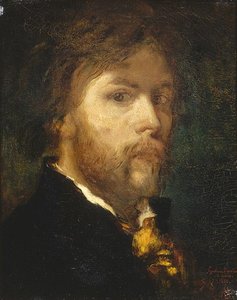


 Přepnout na tisk


 U děl nebo reprodukcí, u nichž je jakákoliv strana větší než 105 cm (přibližně 41 palců), bude rám dodán jako sestava v rozloženém stavu. Tato metoda zajišťuje bezpečné doručení a chrání dílo před poškozením během přepravy.