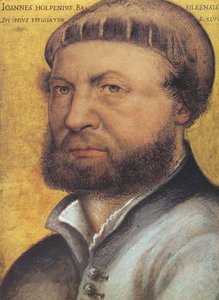
Sir Brian Tuke
Olej na desce
Northern Renaissance
1534
Renesance
67.0 x 58.0 cm
Ručně malovaná olejová reprodukce
Ručně malovaná olejná barva na plátně ve vašem zvoleném rozměru i s rámem, vyrobená našimi umělci na zakázku. ( Přepnout na tisk
Přepnout na obrázek)
P118B $10
P118H $10
P118W $10
P438Z $10
P508JH $12
P508YH $12
P805H $10
P805Z $10
P919BZ $10
P919G $10
P919XJ $10
P959ZH $10
P968JZ $12
W106C $8
W218G $10
W218JH $8
W218Y $10
W307PJ $10
W316G $10
W316PJ $8
W316Y $10
W398PJ $8
W4111J $10
W500HY $15
W500JH $15
W692G $12
W849H $8
W940BG $15
W953PJ $8
Vyberte si z našich přednastavených velikostí, které odpovídají původním proporcím díla.
Můžete zadat vlastní rozměry pro konkrétní rám nebo prostor. Pokud se vámi vybraná velikost neshoduje s proporcemi původního obrazu, dílo buď ořízneme, nebo jej doplníme ručně malovanými prvky. Před zahájením výroby vám bude zaslán digitální náhled ke schválení.
Upozorňujeme, že náhled na obrazovce neodpovídá skutečnému ořezu ani rozšíření. Pouze digitální náhled přesně zobrazí finální kompozici.
Ačkoliv je možné zvolit vlastní velikost, pro zachování původních proporcí doporučujeme vybrat rozměr z předdefinovaného seznamu.
Po přijetí objednávky vám tým AllPaintingsStore.com zašle e-mail s pokyny a poskytne náhledovou verzi.
Celosvětová doprava () za 3–4 týdny namísto standardních 5 týdnů. (1 srpen). Bez kompromisů v kvalitě.
Zdarma celosvětová expresní doprava
Vysoce kvalitní lněné plátno
Kompletní přepravní pojištění
Záruka vrácení celního poplatku
Záruka přesného barevného shodu
60denní lhůta pro vrácení zboží (pouze při vadách výroby)
100% garance vrácení peněz
Sleva při hromadné objednávce
Sir Brian Tuke
Technika reprodukce
Rozměry reprodukce
-
Celková cena za výběr
$ 258
Popis díla
Sir Brian Tuke – Oknem do Tudorovy Moci od Hanse Holbeina
Hans Holbein the Youngerův obraz „Sir Brian Tuke“, namalovaný v roce 1534, je mnohem víc než jen portrét; je to pečlivě vytvořené okno přímo do srdce anglického života ve dvacátém století – společnosti, která se potýkala s náboženskými změnami a rostoucí mocí krále Jiřího VIII. Tato pozoruhodná díla, dnes vystavená v Muzeu Oskar Reinhart v Winterthuru, nabízí vzácný pohled na život Sir Briana Tuke, anglického šlechtice a diplomata, který sloužil jako klíčový rádce králi, odhalující nejen jeho vnější podobu, ale i složitou politickou krajinu, kterou navigoval.
Obraz je dominován přítomností jeho subjektu – muže zobrazeného s neuvěřitelným realismem a psychologickou hloubkou. Holbeinova mistrovská technika je okamžitě patrná; od jemné textury kožeškového límce až po složité vrásky bílé papíru nesející latinské nápisy, každý prvek svědčí o jeho neochvědlé zručnosti. Zklidněná paleta – směs hnědných a šedivých odstínů a živokřemelná červenost podstavce – vytváří pocit skromné formálnosti, odrážející vážnost Tukeovy pozice a éry, ve které žil. Kompozice je pečlivě vyvážená; postava zabíjí značnou část plátna, přesto pozadí, i když mramorované, nezakrývá jeho dominantní přítomnost.
Dešifrování Portrétu: Symbolismus a Technika
Holbeinova technika je důkazem jeho oddanosti pozorování a anatomické přesnosti. Všímejte si pečlivého zobrazení Tukeových rukou – jeden sebejistě leží na červeném podstavci, drží rukavice, které subtilně naznačují bohatství a status, zatímco druhá je sevřená v uvolněném pěstí – gesto otevřené k interpretaci: možná známka opatrnosti nebo dokonce potlačené moci. Složený kus papíru s latinskými nápisy přidává další vrstvu významu; tyto texty pravděpodobně sloužily jako jemné připomenutí Tukeovy vzdělanosti a jeho role v královské komnatě – spojení s klasickou učením a náboženskou autoritou. Holbeinova práce se vyznačuje důkladným studiem anatomie, detailním zobrazením textur materiálů a pečlivým výběrem barev.
Výběr odívání je stejně významný. Černý kapuce, symbol respektu a postavení, v kombinaci s objemným kožešatým límcem mluví jasně o Tukeově pozici a bohatství. Zlatá řetězovka s křížem zdobeným černými perly dále zdůrazňuje jeho důležitost – spojuje ho s hmotnou mocí i duchovní oddaností – běžný motiv v portrétech Tudorů.
Sir Brian Tuke v Kontextu: Život a Časy Briana Tuke
Pro porozumění „Sir Brian Tuke“ je nutné jej umístit do historického kontextu. Tuke byl významnou osobností během vlády Jiřího VIII., období dramatických politických a náboženských změn. Sloužil jako tajemník kardinála Wolseya, než se stal důvěrným rádcem krále samotného, navigoval tak nebezpečnými proudy dvorského intrika a královské ambice. Obraz je proto nejen zobrazení jedné osoby, ale i symbolické vyjádření Tukeovy pozice v tomto složitém systému – člověka s vlivem, odpovědností a možná i jistou mírou opatrnosti.
Holbeinova schopnost zachytávat podstatu svých subjektů je bezkonkurenční. Nevytvářel jen tváře; odkrýval charakter, vyjadřoval osobnost a naznačoval vnitřní myšlenky. „Sir Brian Tuke“ stojí jako dokonalý příklad této zdatnosti, nabízející poutavý portrét nejen jednotlivce, ale i éru.
Zrození „Sir Briana Tuke“: Možnosti Reprodukce
AllPaintingsStore nabízí pečlivě ručně malované reprodukce „Sir Brian Tuke“, zachycující bohaté detaily a atmosférickou hloubku obrazu s mimořádnou přesností. Ať už jste náročný sběratel, umělecký nadšenec nebo hledáte jedinečnou dekorativní předmět, naše reprodukce poskytuje krásný a autentický způsob, jak zažít tento mistrovský snímek. Každá reprodukce je vytvořena zručními umělci pomocí tradičních technik, což zajišťuje, že věrně odráží původní vizi Holbeina. Prozkoumejte dostupné velikosti a možnosti plátna na našem webu, abyste našli dokonalý doplněk vaší sbírky nebo domácnosti.
Pro další prozkoumání díla Hanse Holbeina the Younger doporučujeme navštívit Hans Holbein The Younger: Sir Brian Tuke na AllPaintingsStore.
Další zdroje:
- Seznam obrazů od Hanse Holbeina the Younger
- Hans Holbein The Younger: Sir Brian Tuke (49 x 39 cm, National Gallery of Art)
Umělci:
Muzea:
Photo Description: The painting is a portrait of a man wearing a black robe with a gold chain around his neck. He has a beard and mustache, and he appears to be looking at the viewer. The man's attire suggests that he might be a religious figure or an important person in society during the time when the painting was created. The background of the painting features a wall with text on it, which could provide additional context or information about the subject of the portrait. Overall, the image captures a moment in history and showcases the artistic talent of the artist who painted this portrait. Size: 67 x 58 cm Date: 1534Podobná umělecká díla
Biografie umělce
A Life Etched in Detail: The World of Hans Holbein the Younger
Born around 1497 in Augsburg, Germany, Hans Holbein the Younger emerged as a defining figure of the Northern Renaissance—a master portraitist whose work continues to resonate with breathtaking realism and psychological depth. His upbringing within an artistically gifted family laid the foundation for his exceptional talent; his father, Hans Holbein the Elder, was a respected painter and printmaker who instilled in young Hans a meticulous approach to observation and technique. This early training wasn’t merely about mastering brushstrokes or mixing pigments—it was about learning to *see*, to capture not just likeness but the very essence of a subject. Holbein's initial artistic explorations occurred within his father’s workshop, where he honed his skills before embarking on a journey that would lead him through Switzerland and ultimately to the heart of the English court.From Basel to the Tudor Court: A Rising Star
After completing his apprenticeship, Holbein traveled extensively throughout Switzerland, establishing himself as an independent artist with a growing reputation. He spent several formative years in Basel, creating not only striking portraits but also religious works and intricate woodcut designs—most notably the haunting series depicting the *Dance of Death*. These early pieces reveal a burgeoning mastery of composition and a developing fascination with capturing the complexities of human emotion. He admired the work of Albrecht Dürer and other German masters while also studying Italian art during his travels, absorbing their techniques and incorporating them into his own unique style. Holbein’s innovative compositions further enhanced the impact of his work, often employing symbolic objects or backgrounds to convey deeper meaning. It was in 1526 that fate intervened, drawing Holbein towards England, an event that would irrevocably alter his artistic trajectory. He arrived bearing a letter of introduction from Erasmus, the renowned humanist scholar, which opened doors to the influential circles of English society. His talent quickly captivated prominent figures like Sir Thomas More, who became both a patron and a subject for several compelling portraits. This connection proved pivotal, leading Holbein’s appointment as a court painter to King Henry VIII in 1536—a position he held, with some interruptions, until his untimely death in 1543.The Art of Perception: Style and Masterpieces
Holbein's artistic style is characterized by an extraordinary commitment to realism, achieved through painstaking attention to detail in rendering textures, fabrics, and the subtle nuances of facial features. He didn’t simply *paint* portraits; he meticulously constructed them, layer upon layer, capturing not just physical appearances but also the personality and inner life of his sitters. His use of chiaroscuro—the dramatic interplay of light and shadow—created a palpable sense of depth and atmosphere, enhancing the psychological impact of his images. He was particularly adept at portraying human emotion with remarkable accuracy, conveying feelings of solemnity, contemplation, and even vulnerability. The Ambassadors (1533) stands as a testament to this approach—a complex and symbolically rich double portrait showcasing both Holbein’s technical brilliance and intellectual depth. The anamorphic skull subtly embedded within the painting serves as a stark *memento mori*, reminding viewers of the inevitability of death. His numerous portraits of Henry VIII established a lasting image of royal power, while his depiction of Erasmus of Rotterdam captures the scholar's profound intellectual gravitas. Other notable works include the stunning *Portrait of Nikolaus Kratzer* (1528), a masterpiece of realism and scientific detail—a reflection of Holbein’s fascination with humanist scholarship and observation.Legacy and Influence: A Lasting Impression
Holbein’s artistic journey was shaped by a confluence of influences, blending the precision of German artistic traditions with the compositional principles of the Italian Renaissance. He admired the work of Albrecht Dürer and other German masters while also studying Italian art during his travels, absorbing their techniques and incorporating them into his own unique style. His legacy is profound; Holbein’s portraits set a new standard for realism and psychological insight in portraiture, influencing generations of artists who followed. He didn't merely record appearances—he captured moments in time, preserving them for posterity. His depictions of key figures during the Tudor period provide invaluable insights into the lives and personalities of those who shaped English history. He was a true innovator, pushing the boundaries of artistic expression while simultaneously upholding the highest standards of craftsmanship. Holbein’s work continues to inspire artists today—a testament to his enduring genius and the timeless beauty of his vision.Hans Holbein ml.
1497 - 1543 , Německo
Rychlé fakta
- Artistic Movement Or Style: Severní Renesance
- Artists Or Movements Influenced By This Artist: ['Pozdější portrétisté']
- Artists Who Influenced This Artist: ['Albrecht Dürer']
- Date Of Birth: c. 1497/98
- Full Name: Hans Holbein der Jüngere
- Nationality: Německý, Švýcarský
- Notable Artworks:
- Ambasadéři
- Portrét Jindřicha VIII.
- Nikolaus Kratzer
- Place Of Birth: Augsburg, Německá republika

Skleněná varianta je dostupná pouze u rozměrů menších než 110 cm