


 Náhled
 Sdílet
 Sdílet
 Podrobnosti o díle

 Stáhnout
 Podobné položky
 Rentgenové snímky
 Slideshow
untitled (9357)


 Zobrazit více
Giclée / Umělecký tisk
Giclée nebo plátěný tisk muzeální kvality s rychlou výrobou a flexibilními možnostmi povrchové úpravy. ( Koupit ručně malovaný obraz Koupit obrázek)




P118B $10

P118H $10

P118W $10

P438Z $10

P508JH $12

P508YH $12

P805H $10

P805Z $10

P919BZ $10

P919G $10

P919XJ $10

P959ZH $10

P968JZ $12

W106C $8

W218G $10

W218JH $8

W218Y $10

W307PJ $10

W316G $10

W316PJ $8

W316Y $10

W398PJ $8

W4111J $10

W500HY $15

W500JH $15

W692G $12

W849H $8

W940BG $15

W953PJ $8




Vyberte si z našich přednastavených velikostí, které odpovídají původním proporcím díla.

Můžete zadat vlastní rozměry tak, aby výtvor odpovídal konkrétnímu rámu nebo prostoru. Pokud zvolená velikost nebude odpovídat poměru stran původního obrazu, dílo buď ořížeme, nebo obraz rozšíříme pomocí zrcadlového efektu či jednobarevného okraje. Před zahájením výroby vám bude zaslán digitální náhled k schválení.
Mějte prosím na paměti, že náhled na obrazovce neodráží skutečné oříznutí nebo rozšíření. Pouze digitální náhled přesně zobrazí finální kompozici.
Ačkoliv jsou k dispozici i vlastní rozměry, pro zachování původních proporcí doporučujeme vybrat si rozměr z předdefinovaného seznamu.
Celosvětové doručení () do 2 týdnů namísto standardních 4/5 týdnů. (24 srpen)

Zdarma celosvětová expresní doprava

Vysoce kvalitní lněné plátno

Kompletní přepravní pojištění

Záruka vrácení celního poplatku

Záruka přesného barevného shodu

60denní lhůta pro vrácení zboží (pouze při vadách výroby)

100% garance vrácení peněz

Sleva při hromadné objednávce
 Skleněná varianta je dostupná pouze u rozměrů menších než 110 cm

untitled (9357)
Giclée / Umělecký tisk
Rozměry reprodukce
-


Celková cena za výběr
$ 64
Popis sběratelského kousku
A Portrait of Dignity: Unpacking the Layers of Holbein’s “untitled (9357)”
Hans Holbein the Younger's "untitled (9357)" stands as a testament to the meticulous artistry that defined the Northern Renaissance, offering viewers an intimate glimpse into the intellectual and social milieu of its time. More than just a depiction of two men seated at a table laden with symbols—a bowl, books, and a clock—the painting embodies Holbein’s unparalleled ability to convey psychological complexity through painstakingly rendered detail. This remarkable artwork resides within the esteemed collection of The National Gallery in London, where it continues to captivate audiences with its serene beauty and profound contemplation.Composition and Technique: Mastering Realism
Holbein's masterful technique is immediately apparent upon observation. He employs oil paint on panel—a favored medium for portraiture during the Renaissance—allowing for subtle gradations of tone and texture that capture the nuances of human form with astonishing accuracy. The artist’s attention to anatomical precision is evident in the posture of the seated figure, whose gaze directs downwards, suggesting introspection and perhaps a preoccupation with scholarly pursuits. Conversely, the standing man exudes confidence as he holds his hands behind him, conveying an aura of composure and quiet contemplation. These poses are skillfully rendered, contributing significantly to the overall impression of dignified restraint.Symbolism Within Stillness: Decoding the Objects
The seemingly simple setting of “untitled (9357)” is rife with symbolic significance. The bowl positioned on the table represents hospitality and generosity—a virtue valued during the Renaissance period—while the two books symbolize knowledge, erudition, and the pursuit of intellectual enlightenment. Perhaps most powerfully, however, is the clock dominating the wall above the table. This emblem serves as a poignant reminder of mortality, prompting viewers to consider the fleeting nature of human existence against the backdrop of timeless beauty and contemplation. Holbein’s deliberate inclusion of these objects elevates the painting beyond mere likeness, transforming it into a meditation on humanist ideals.Historical Context: Tudor England and Artistic Patronage
Painted circa 1530, “untitled (9357)” reflects the intellectual fervor of Tudor England—a period marked by burgeoning scientific inquiry and artistic innovation. Holbein’s work was commissioned by Henry VIII, demonstrating the importance of royal patronage in fostering artistic excellence. The painting exemplifies the humanist aesthetic prevalent during this era, prioritizing observation, reason, and a deep appreciation for human dignity. Its stylistic influence can be traced across numerous subsequent portraits, cementing Holbein's legacy as one of the foremost artists of his generation.Emotional Resonance: A Moment Frozen in Time
Ultimately, “untitled (9357)” transcends its formal elements to evoke a powerful emotional response. The painting’s quiet stillness invites viewers into a contemplative space—a realm where intellect and emotion converge. It speaks to the universal human desire for connection, understanding, and reflection on the passage of time. Owning a high-quality reproduction allows you to experience this enduring artistic masterpiece firsthand, bringing its serene beauty and profound symbolism into your home. Explore more reproductions at AllPaintingsStore.com – where art history meets exquisite craftsmanship.Podobná umělecká díla


Biografie umělce
A Life Etched in Detail: The World of Hans Holbein the Younger
Born around 1497 in Augsburg, Germany, Hans Holbein the Younger emerged as a defining figure of the Northern Renaissance—a master portraitist whose work continues to resonate with breathtaking realism and psychological depth. His upbringing within an artistically gifted family laid the foundation for his exceptional talent; his father, Hans Holbein the Elder, was a respected painter and printmaker who instilled in young Hans a meticulous approach to observation and technique. This early training wasn’t merely about mastering brushstrokes or mixing pigments—it was about learning to *see*, to capture not just likeness but the very essence of a subject. Holbein's initial artistic explorations occurred within his father’s workshop, where he honed his skills before embarking on a journey that would lead him through Switzerland and ultimately to the heart of the English court.From Basel to the Tudor Court: A Rising Star
After completing his apprenticeship, Holbein traveled extensively throughout Switzerland, establishing himself as an independent artist with a growing reputation. He spent several formative years in Basel, creating not only striking portraits but also religious works and intricate woodcut designs—most notably the haunting series depicting the *Dance of Death*. These early pieces reveal a burgeoning mastery of composition and a developing fascination with capturing the complexities of human emotion. He admired the work of Albrecht Dürer and other German masters while also studying Italian art during his travels, absorbing their techniques and incorporating them into his own unique style. Holbein’s innovative compositions further enhanced the impact of his work, often employing symbolic objects or backgrounds to convey deeper meaning. It was in 1526 that fate intervened, drawing Holbein towards England, an event that would irrevocably alter his artistic trajectory. He arrived bearing a letter of introduction from Erasmus, the renowned humanist scholar, which opened doors to the influential circles of English society. His talent quickly captivated prominent figures like Sir Thomas More, who became both a patron and a subject for several compelling portraits. This connection proved pivotal, leading Holbein’s appointment as a court painter to King Henry VIII in 1536—a position he held, with some interruptions, until his untimely death in 1543.The Art of Perception: Style and Masterpieces
Holbein's artistic style is characterized by an extraordinary commitment to realism, achieved through painstaking attention to detail in rendering textures, fabrics, and the subtle nuances of facial features. He didn’t simply *paint* portraits; he meticulously constructed them, layer upon layer, capturing not just physical appearances but also the personality and inner life of his sitters. His use of chiaroscuro—the dramatic interplay of light and shadow—created a palpable sense of depth and atmosphere, enhancing the psychological impact of his images. He was particularly adept at portraying human emotion with remarkable accuracy, conveying feelings of solemnity, contemplation, and even vulnerability. The Ambassadors (1533) stands as a testament to this approach—a complex and symbolically rich double portrait showcasing both Holbein’s technical brilliance and intellectual depth. The anamorphic skull subtly embedded within the painting serves as a stark *memento mori*, reminding viewers of the inevitability of death. His numerous portraits of Henry VIII established a lasting image of royal power, while his depiction of Erasmus of Rotterdam captures the scholar's profound intellectual gravitas. Other notable works include the stunning *Portrait of Nikolaus Kratzer* (1528), a masterpiece of realism and scientific detail—a reflection of Holbein’s fascination with humanist scholarship and observation.Legacy and Influence: A Lasting Impression
Holbein’s artistic journey was shaped by a confluence of influences, blending the precision of German artistic traditions with the compositional principles of the Italian Renaissance. He admired the work of Albrecht Dürer and other German masters while also studying Italian art during his travels, absorbing their techniques and incorporating them into his own unique style. His legacy is profound; Holbein’s portraits set a new standard for realism and psychological insight in portraiture, influencing generations of artists who followed. He didn't merely record appearances—he captured moments in time, preserving them for posterity. His depictions of key figures during the Tudor period provide invaluable insights into the lives and personalities of those who shaped English history. He was a true innovator, pushing the boundaries of artistic expression while simultaneously upholding the highest standards of craftsmanship. Holbein’s work continues to inspire artists today—a testament to his enduring genius and the timeless beauty of his vision.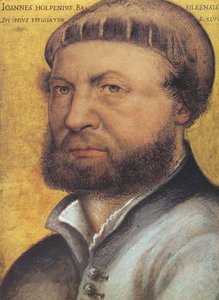
Hans Holbein ml.
1497 - 1543 , Německo
Rychlé fakta
- Artistic Movement Or Style: Severní Renesance
- Artists Or Movements Influenced By This Artist: ['Pozdější portrétisté']
- Artists Who Influenced This Artist: ['Albrecht Dürer']
- Date Of Birth: c. 1497/98
- Full Name: Hans Holbein der Jüngere
- Nationality: Německý, Švýcarský
- Notable Artworks:
- Ambasadéři
- Portrét Jindřicha VIII.
- Nikolaus Kratzer
- Place Of Birth: Augsburg, Německá republika
Související články

Hans Holbein the Younger: A Renaissance Portraitist's Mastery of Realism & Psychological Insight
Explore the life & art of Hans Holbein the Younger, a Renaissance master renowned for his strikingly realistic portraits and psychological insight. Discover iconic works like 'The Ambassadors' and delve into his lasting legacy.

Mastering Detail: The Captivating World of Hans Holbein the Younger’s Northern Renaissance Masterpieces
Explore the breathtaking precision of Hans Holbein the Younger. From Tudor royal portraits to intricate Northern Renaissance details, discover the mastery behind his legendary works and learn how to bring this historical grandeur into your collection with museum-quality reproductions.

Top 10 mistrovských děl severní renesance – obrazy a umění pro váš domov | AllPaintingsStore.com
Objevte 10 ikonických děl severní renesance – Jan van Eyck, Dürer a další mistři. Ponořte se do příběhů umění, technik a barev. Reprodukce obrazů pro váš domov na AllPaintingsStore.com.

The Enduring Gaze: Portraiture's Historical & Psychological Evolution
Explore the rich history of portraiture with expert analysis from AllPaintingsStore. Discover iconic Renaissance masterpieces, symbolism & techniques that shaped identity. Find museum-quality art for your collection.

The Enduring Legacy of Formal Portraiture: Power, Identity & Artistic Exploration
Explore the rich history of formal portraiture & its enduring power to capture identity and shape perception. Discover investment-worthy artworks, expert appraisals, and custom reproduction services at AllPaintingsStore.


