Záruka vrácení peněz · 100 dní Doprava po celém světě zdarma
449 564umělecká díla 30 613umělci 4 660muzea 32jazyky
Záznam v katalogu

Ecce Homo

1500. Olej na panelu, 60.0 x 71.0 cm. Städelovo muzeum.

Obr. 1. Hieronymus Bosch, Ecce Homo, 1500. Zobrazeno jako vámi zvolená reprodukce: , .

§ 1Katalogová data

Rozměry
60.0 x 71.0 cm

§ 2Abstraktní

Popis sbírného předmětu

Obraz "Ecce Homo" od Hieronymu Boscha: poutěný Kristus před Pilátem. Detailní, symbolický obraz z pozdního středověku s náznaky lidské slabosti a naděje.

Biografie umělce

Hieronymus Bosch (1450-1516) – nizozemský malíř s fantastickými obrazy, symboly a znepokojivou atmosférou. Jeho díla inspirovala surrealismus a dodnes fascinují.

§ 3Komentář

Hieronymus Bosch’s *Ecce Homo*: A Moment of Profound Humanity

The painting before us, Hieronymus Bosch’s *Ecce Homo* (c. 1490s), is not merely a depiction of a biblical scene; it's an invitation to confront the complexities of human existence – suffering, judgment, and the enduring weight of faith. This arresting work, housed within the Indianapolis Museum of Art, offers a glimpse into the visionary world of one of the Renaissance’s most enigmatic figures, Bosch himself. The painting pulsates with a potent energy, drawing the viewer into a chaotic yet meticulously rendered tableau where earthly drama intertwines with profound spiritual implications.

At its core, *Ecce Homo* portrays the pivotal moment described in John 19:5 – Pontius Pilate presenting Christ to the jeering crowd before his crucifixion. Bosch doesn’t offer a straightforward historical account; instead, he amplifies the scene's emotional and symbolic resonance. We see Jesus, stripped and bound, lowered by Nicodemus and John amidst a throng of onlookers—Roman soldiers, grieving citizens, and figures radiating suspicion and hostility. The composition is deliberately crowded, reflecting the overwhelming nature of this moment of public humiliation. The architectural backdrop – a towering doorway leading to a cityscape – subtly suggests both earthly confinement and the promise of spiritual ascent.

A Masterclass in Early Netherlandish Technique

Bosch’s artistic prowess is immediately evident in his masterful command of technique. Executed in oil on wood panel, the painting showcases the hallmarks of the Early Netherlandish style: painstaking detail combined with a distinctly unsettling atmosphere. Bosch's signature approach involves layering thin glazes of paint to build up color and form, creating a luminous quality that seems to emanate from within the figures themselves. Notice the meticulous rendering of drapery—each fold and pleat meticulously defined—and the subtle variations in texture across the stone surfaces. The artist’s use of line is equally striking; strong, deliberate lines delineate forms, particularly those of the human body, while softer, more fluid lines suggest movement and emotion.

The impasto technique – visible brushstrokes that add tactile richness to the surface—further enhances the painting's visual impact. Bosch doesn’t shy away from showing his hand; these deliberate marks contribute to the sense of immediacy and drama. The use of perspective, though not entirely consistent due to the crowded composition, creates a convincing illusion of depth, guiding the viewer’s eye through the scene.

Symbolism Woven into Every Detail

Beyond its narrative power, *Ecce Homo* is rich in symbolism, reflecting Bosch's broader concerns about human nature and morality. The faces of the onlookers are not simply expressions of anger or disapproval; they represent a spectrum of human responses to suffering – fear, greed, indifference, and even a perverse fascination with Christ’s humiliation. The presence of Roman soldiers underscores the political context of Christ’s trial and execution, highlighting the conflict between imperial authority and spiritual truth. The architectural setting—the tower doorway—is often interpreted as a symbol of transition, representing the passage from earthly suffering to heavenly salvation.

Bosch's genius lies in his ability to imbue even seemingly mundane details with profound meaning. The inclusion of various animals – a dog gnawing at Christ’s heel, a snake coiled around his foot—adds layers of symbolic interpretation, referencing biblical allegories and reflecting Bosch’s fascination with the darker aspects of human behavior. The overall effect is one of unsettling beauty, inviting contemplation on themes of sin, redemption, and the enduring struggle between good and evil.

A Timeless Appeal for Collectors and Designers

Hieronymus Bosch's *Ecce Homo* remains a powerfully evocative work of art, captivating viewers centuries after its creation. Its rich color palette, intricate detail, and profound emotional depth make it an ideal addition to any collection of Renaissance art. The painting’s dynamic composition and symbolic richness also lend themselves beautifully to interior design, offering a striking focal point for galleries, studies, or even larger living spaces. High-quality reproductions capture the nuances of Bosch's technique, allowing discerning art enthusiasts to appreciate this masterpiece in their own homes. It is more than just a painting; it’s an invitation to engage with one of history’s most compelling and unsettling visions.

Otázky a odpovědi

Jak výrazný je kontrast v díle „Ecce Homo“ od Hieronymus Bosch?

„Ecce Homo“ od Hieronymus Bosch vykazuje Výrazný kontrast mezi světlými a tmavými částmi.

Co zachycuje dílo "Ecce Homo"?

„Ecce Homo“ od Hieronymus Bosch zobrazuje: christianity, suffering, judgment, pilate, crowd, symbolism, bosch, netherlandish.

Jakou technikou je vytvořeno dílo "Ecce Homo"?

Technikou díla „Ecce Homo“ od Hieronymus Bosch je Olej na panelu. Reprodukce mají za cíl věrně zachytit vzhled této techniky.
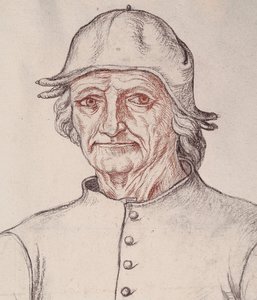
§ 4Autor díla

Hieronymus Bosch

Hieronymus Bosch

1450 - 1516, Nizozemsko

Rychlé informace o umělci Hieronymus Bosch

  • Artistic Movement Or Style: Surrealismus, Symbolismus
  • Artists Or Movements Influenced By This Artist: ['Pieter Bruegel']
  • Date Of Birth: c. 1450
  • Date Of Death: 1516
  • Full Name: Hieronymus Bosch
  • Nationality: Nizozemec
  • Notable Artworks:
    • Zahrada Zemských Delostí
    • Poslední soud Triptych
    • Vzestup spasitelů
  • Place Of Birth: Den Bosch, Nizozemsko

Biografie umělce

A Netherlandish Enigma: The Life and Art of Hieronymus Bosch

Born around 1450 in the vibrant, bustling town of ’s-Hertogenbosch in the Netherlands—then part of Brabant—Hieronymus Bosch, originally Jheronimus van Aken, remains one of art history’s most compelling and mysterious figures. His world was steeped in late medieval religious fervor, folklore, and a growing sense of societal unease, all of which would profoundly shape his uniquely unsettling artistic vision. Coming from a family with a long tradition of painting—his grandfather, Jan van Aken, and father, Anthonius van Aken, were both artists—Bosch likely received his earliest training within the family workshop, absorbing the techniques and conventions of Netherlandish painting. However, even in his formative years, he began to diverge from established norms, hinting at the extraordinary imagination that would define his career. Biographical details are frustratingly scarce; records are fragmented, leaving much open to speculation and interpretation, adding to the aura of mystique surrounding both the man and his work. He married Aleyt Goyaerts van den Meerveen sometime before 1481, a union that provided him with some financial security through her family’s holdings, but little else is known about their personal life.

Fantastical Visions and Symbolic Depths

Bosch's artistic style is instantly recognizable—a captivating blend of meticulous detail and wildly imaginative imagery. He primarily worked with oil on oak panels, demonstrating a masterful command of the medium, achieving luminous colors and intricate textures. While his early works show influences from traditional Netherlandish painting, particularly in their realism and attention to detail, he quickly moved beyond mere imitation, developing a profoundly original vision. His paintings are not simply representations of reality; they are allegorical landscapes populated by bizarre creatures, hybrid beings, and unsettling scenes that seem plucked from dreams—or nightmares. Religious themes form the core of much of his work, but these are rarely straightforward depictions of biblical stories. Instead, Bosch uses symbolism to explore complex moral and theological concepts, often focusing on the dangers of sin, the fragility of earthly pleasures, and the inevitability of divine judgment. His creatures—grotesque demons, fantastical animals, and strangely human figures—are not merely decorative elements; they are embodiments of vice, temptation, and spiritual corruption. The blending of the sacred and the profane, the beautiful and the grotesque, creates a uniquely unsettling effect that continues to captivate viewers centuries later.

Masterpieces of Moral Allegory

Among Bosch’s most celebrated achievements is The Garden of Earthly Delights (c. 1490-1510), a triptych that remains one of the most enigmatic and debated works in art history. When opened, it presents a panoramic vision of paradise, earthly life, and hell—a complex allegorical representation of humanity’s fall from grace. The left panel depicts the Garden of Eden, teeming with fantastical creatures and lush vegetation; the central panel portrays a world consumed by sensual pleasure and unrestrained desire; and the right panel offers a terrifying glimpse into the torments of hell. The Triptych of the Last Judgement (c. 1480-1490) is another powerful example of his skill in portraying both heavenly bliss and infernal torment, while The Ascent of the Blessed (c. 1480-1490) demonstrates his ability to create ethereal and dreamlike scenes. Even smaller works like Epiphany (c. 1495) showcase his innovative use of oil on wood and complex symbolism, revealing a mind constantly grappling with profound questions about faith, morality, and the human condition.

Influences and Artistic Development

Identifying Bosch’s direct influences is a challenging task, given the originality of his vision. Scholars suggest possible connections to medieval folklore, religious texts—particularly those emphasizing apocalyptic themes—and the prevailing anxieties of the time, including fears of heresy and social upheaval. However, it's clear that he synthesized these elements into something entirely new and uniquely his own. His early works demonstrate a strong influence from the Flemish school, particularly in their meticulous detail and realistic portrayal of figures and objects. Yet, as his career progressed, Bosch increasingly departed from traditional conventions, embracing a more expressive and symbolic style. He drew inspiration from contemporary prints and woodcuts, which were becoming increasingly popular during this period, and incorporated elements of natural history—particularly depictions of animals—into his paintings. The influence of the late Gothic artistic tradition is also evident in his use of perspective and his dramatic compositions.

Legacy and Enduring Influence

Bosch’s work has had a profound and lasting impact on art history. Pieter Bruegel the Elder directly followed in his footsteps, adopting similar themes and compositional techniques, while later movements, such as Surrealism, also drew inspiration from Bosch’s dreamlike imagery and exploration of the subconscious. Artists like Salvador Dalí and Max Ernst openly acknowledged their debt to his unsettling visions. Even today, Bosch's work continues to fascinate and provoke debate, solidifying his place as a master of Netherlandish painting and a visionary artist whose influence extends far beyond his own time. His paintings offer valuable insights into the religious, social, and psychological climate of the late 15th and early 16th centuries, challenging conventional norms and paving the way for new forms of artistic expression. He died in 1516, leaving behind a body of work that continues to haunt and inspire, ensuring his enduring legacy as one of art history’s most singular and unforgettable voices.

§ 5Podobná díla

§ 6Otázky

Rychlé informace

  • Artistic style: Surrealistický, fantastický
  • Notable elements or techniques: Symbolismus, detailní zpracování
  • Dimensions: 60 x 71 cm
  • Location: Muzeum umění v Indianapolisu
  • Medium: Oleografie na dřevěném panelu
  • Subject or theme: Kristovo odhalení

Artový kvíz

U každé otázky je pouze jedna správná odpověď.

Otázka 1:
Jak se nazývá obraz Hieronymusa Bosch? (Jaký je název díla?)
Otázka 2:
Co zobrazuje obraz Ecce Homo? (Jaký je hlavní motiv díla?)
Otázka 3:
V jakém stylu byl obraz vytvořen? (Jakou techniku malíře charakterizuje?)
Otázka 4:
Který materiál byl použit při tvorbě obrazu? (Na jakém povrchu maloval Bosch?)
Otázka 5:
Jaké symboly se v obraze nacházejí? (Co obraz naznačuje?)

§ 7Citovat tento záznam

AllPaintingsStore.com, “Hieronymus Bosch, Ecce Homo (1500)”, https://allpaintingsstore.com/cs/art/hieronymus-bosch-ecce-homo-D42DSC-cs/ArtistReproduction/ (dne 7 říjen 2026 zkontolováno).

§ 8Reprodukce díla

Ručně malovaná olejová reprodukce

Rukou malované olejné plátno v libovolném rozměru i s rámem, vyrobené našimi umělci na zakázku. ( Přepnout na tisk Přepnout na digitální obraz)

Je uvedeno na okraji objednávkového listu; aktuální stav tohoto listu zní následovně.

Ecce Homo

Technika reprodukce

Rozměry reprodukce

-

Vybraní mistři umění

Vyšší míra detailu, jemnosti a delší doba výroby

-

Možnosti rámování reprodukcí

-

-

U děl nebo reprodukcí, u nichž je jakákoliv strana větší než 105 cm (přibližně 41 palců), bude rám dodán jako sestava v rozloženém stavu. Tato metoda zajišťuje bezpečné doručení a chrání dílo před poškozením během přepravy.

Vyžaduje se odborná montáž – nejedná se o produkt pro svépomocnou realizaci (DIY).
Sestava musí být složena a plátno napnuto zkušeným profesionálním rámovačem s použitím dřevěného lepidla (není součástí balení), kleští na napínání plátna a svorek pro udržení pravých úhlů křížů během schnutí lepidla. Nesprávná montáž nebo nerovnoměrné napnutí plátna může způsobit trvalé poškození uměleckého díla, které není kryto naší zárukou.

  • Jsou zahrnuty všechny lišty z masivního dřeva, přesně na míru nařezané.

  • Sestavuje se pomocí součástí balení (šroubů), plus dřevěného lepidla na rohové spoje, které není součástí balení a musí jej zajistit váš rámovač.

  • Vyžaduje se profesionální nářadí, které není součástí sady: kleště na napínání plátna a svorky pro udržení kolmosti příček během schnutí lepidla.

Důležité:
Spoje v rozích vyžadují lepidlo na dřevo, tyčinky musí být přichyceny pomocí svorek, dokud lepidlo zcela neuschne, a pro napnutí plátna na sestavený rám je zapotřebí kleští na natahování plátna. Žádný z těchto náčiní není součástí sady. Před objednáním této velikosti prosím zajistěte zkušeného profesionálního rámovače.

Popisek díla

-

-

Ochranný lak

Lesklý lak (zvýrazňuje barvy, chrání před světlem a vlhkostí)

-

Přizpůsobit své umělecké dílo

Příklady možných úprav: nahrazení obličeje fotografií zákazníka; přidání domácího mazlíčka (např. výměna kočky za psa); vložení skrytého vzkazu do pozadí; změna krajiny nebo prvků v pozadí.

-

Prioritní doručení

Celosvětové doručení () za 3–4 týdny namísto standardních 5 týdnů. (4 listopad). Bez kompromisů v kvalitě.

-

Expresní doručení

Celosvětová doprava () do 5 týdnů. (11 listopad).

V ceně

Celková cena za vybrané možnosti reprodukcí

Kč 13182

Součást každé objednávky

  • Zdarma celosvětová expresní doprava
  • Vysoce kvalitní lněné plátno
  • Kompletní pojištění přepravy
  • Záruka vrácení celního poplatku
  • Záruka věrného barevného souladu
  • 100dení lhůta pro vrácení zboží (pouze při vadách výroby)
  • 100% záruka vrácení peněz
  • Sleva při více objednávkách
Objednávací formulář