

1504. Akryl na plátně, 163.0 x 128.0 cm. Akademie výtvarních umění Praha.

§ 1Katalogová data

- 163.0 x 128.0 cm


§ 2Abstraktní
Popis sbírného předmětu
Bosch’s work profoundly impacted subsequent artists, notably Lucas Cranach the Elder, whose copy resides in Berlin's Gemäldegalerie.
 Zobrazit více
Biografie umělce
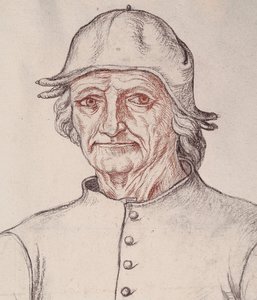
Hieronymus Bosch (1450-1516) – nizozemský malíř s fantastickými obrazy, symboly a znepokojivou atmosférou. Jeho díla inspirovala surrealismus a dodnes fascinují.
§ 3Komentář
A Symphony of Suffering and Divine Justice
Hieronymus Bosch’s “Last Judgement Triptych,” completed around 1504, stands as one of the most unsettling and profoundly symbolic masterpieces of the Early Netherlandish Renaissance. More than just a depiction of biblical prophecy, it's an immersive experience into a realm of grotesque imagination—a visual distillation of Bosch’s preoccupation with mortality, sin, and God’s inescapable judgment.
The Anatomy of Hell
Painted on oak panels in oil tempera and gold leaf, the triptych assaults the senses with its sheer scale and disturbing imagery. Bosch abandons traditional religious iconography for a visceral portrayal of hell—a landscape populated by monstrous creatures, tormented souls, and grotesque distortions of human form. The central panel dominates the composition, presenting an infernal panorama teeming with demons, tortured figures, and symbolic representations of damnation.
Genesis Revisited: A Tale of Temptation and Expulsion
The left wing recounts the biblical narrative of Adam and Eve’s fall from grace. Bosch meticulously recreates the Garden of Eden, populated by exquisitely rendered angels battling for dominion over souls. The depiction of Eve succumbing to Lucifer's temptation is fraught with psychological tension—a moment of profound moral transgression captured in breathtaking detail. Above all, Bosch portrays God extracting Eve from Adam’s rib, symbolizing the divine creation and the subsequent corruption of humanity.
The Triumph of Faith Amidst Chaos
Moving to the right wing, Bosch presents a vision of Heaven—a serene tableau dominated by angelic figures and saints. The upper archway showcases Jesus Christ enthroned in majesty, surrounded by Mary and John the Baptist, embodying divine compassion and righteousness. Below this celestial scene is Noah carrying the ark over his head, symbolizing salvation from impending catastrophe. The panel’s meticulous execution underscores Bosch's belief in the ultimate triumph of faith over darkness.
Symbolism Unleashed: Decoding Bosch’s Vision
Beyond its visual spectacle, “Last Judgement” is laden with symbolism—a language of grotesque imagery designed to provoke contemplation and instill fear. Bosch employs recurring motifs—such as serpents, skulls, and tormented faces—to convey the pervasive influence of sin and death. The artist’s masterful use of color—particularly the vibrant reds and yellows of hell contrasted against the muted tones of heaven—amplifies the emotional impact of the scene.
A Legacy of Horror
“Last Judgement” cemented Bosch's reputation as a visionary artist who dared to confront the darkest aspects of human experience. Its influence extended far beyond its time, inspiring artists and writers for centuries to come—a testament to Bosch’s enduring power to unsettle and inspire.
Otázky a odpovědi
Jakou paletu barev a jaký pocit v sobě spojuje dílo "Last Judgement Triptych"?
Paleta Zemité tóny díla „Last Judgement Triptych“ od Hieronymus Bosch harmonizuje s jeho Záhadný emocionálním vyzněním. Barva je jedním ze způsobů, jakými umělecké dílo předává pocity.
Kdo vytvořil dílo "Last Judgement Triptych" a v jakém roce?
Autorem díla „Last Judgement Triptych“ je Hieronymus Bosch a vzniklo v roce 1504.
Jaká je luminance díla „Last Judgement Triptych“ od Hieronymus Bosch?
Barvy díla „Last Judgement Triptych“ vykazují jas o hodnotě Měkké stínění.


 Přepnout na tisk


 U děl nebo reprodukcí, u nichž je jakákoliv strana větší než 105 cm (přibližně 41 palců), bude rám dodán jako sestava v rozloženém stavu. Tato metoda zajišťuje bezpečné doručení a chrání dílo před poškozením během přepravy.


