


 Náhled v interiéru
 Sdílet
 Sdílet
 Podrobnosti o díle
 Průvodce

 Stáhnout
 Podobné položky
 Rentgenové snímky
 Slideshow
 Statistiky
St Christopher


 Zobrazit více
Zakupte si digitální obraz ve vysokém rozlišení a vylepšeném provedení, který nabízí mnohem vyšší kvalitu než online náhled.
Každý soubor pečlivě připravují naši interní specialisté s využitím pokročilých nástrojů a odborné manuální retuše. Zajišťujeme, aby každý obraz disponoval výjimečnou ostrostí, přesnou barevnou věrností a jemnými detaily.
Finální soubor vám bude do 72 hodin zaslán e-mailem, optimalizovaný pro okamžité použití v profesionálním, redakčním i tiskovém prostředí. Nabízíme stejnou kvalitu, které důvěřují špičková designová studia, nakladatelství i galerie.
Digitální obrazy
Stáhněte si soubor ve vysokém rozlišení pro osobní prohlížení, tisk nebo kreativní projekty. ( Přepnout na tisk Koupit ručně malovaný obraz)
Součást každé objednávky digitálního obrazu
Profesionální digitální doručení, zaručené
Když si vyberete AllPaintingsStore.com, nezískáváte pouze obrázek – získáváte digitální umělecké dílo s profesionálně vylepšenými detaily, zpracované s precizností a podpořené zárukou za spokojenost. Zde je vše, co vaše objednávka automaticky obsahuje:

Rychlé doručení e-mailem
Váš digitální obraz ve vysokém rozlišení vám bude zaslán e-mailem do 72 hodin od objednávky – připraven k okamžitému použití.

Digitální soubor s využitím AI
Vaše umělecké dílo je profesionálně optimalizováno pomocí pokročilých nástrojů umělé inteligence a manuální úpravy, což zajišťuje maximální úroveň detailu, ostrosti a přesnosti barev.

Doživotní bezplatné znovuodeslání digitálních obrazů
Soubor jste omylem smazali nebo ztratili? Žádný problém – kdykoliv vám ho znovu zašleme zcela zdarma.

Bez poplatků za dovoz – navždy
Užijte si své umělecké dílo okamžitě bez celních poplatků, daní nebo nákladů na dopravu – digitální stažení je vždy bez daňových povinností.

Záruka přesnosti barev
Díky profesionálním nástrojům a správě barev zajišťujeme, aby váš digitální obraz odrážel původní barvy co nejvěrněji.

100dená záruka spokojenosti
Pokud nebudete s digitálním obrázkem spokojeni, provedeme jeho revizi nebo vám vrátíme 100% platby do 100 dnů – bez jakýchkoliv dotazů.

100% záruka vrácení peněz
Nespokojeni? Získejte plnou náhradu peněz do 100 dnů od obdržení digitálního souboru – bez zbytečných dotazů.

Slevy při hromadných objednávkách
Koupě 3 obrazů ušetří 10% – Koupě 5 obrazů ušetří 15% – Koupě 10+ obrazů ušetří 20%. Ideální pro kreativní projekty, galerie a agentury.
The Vision of Saint Christopher
In the hauntingly beautiful realm of Hieronymus Bosch, the painting St Christopher emerges as a profound window into the Early Netherlandish Renaissance. The scene captures a moment of immense spiritual and physical weight, as the giant Saint Christopher carries the Christ child across a river. As he traverses the water, the child’s presence becomes an unbearable burden, for he carries within him the weight of all the sins of the world. This singular act of devotion transforms a simple crossing into a monumental encounter between the earthly and the divine.
The landscape itself is a surreal tapestry of symbolic elements set against a backdrop of distant mountains. Within this meticulously detailed environment, several figures are positioned throughout the scene, including individuals near the left, center, and right sides of the composition. The atmosphere is further populated by birds that drift through the sky—one located above the center-left, another on the far right, and a third near the top left corner. Through this blend of meticulous detail and imaginative imagery, Bosch invites the viewer into a world where the boundaries between reality and the supernatural are beautifully blurred.
Technical Details and Composition
The artwork is characterized by its use of oil on panel, a medium that allows for the luminous colors and intricate textures so central to Bosch's style. The composition is structured around the movement of the saint through the landscape, utilizing a palette that includes pigments such as azurite, lead-tin yellow, vermilion, red lake, and ochres. These elements work together to define the river, the green and blue landscapes, and the sky.
Key visual components include:
- A mountainous background providing depth to the scene.
- The central figure of Saint Christopher bearing the Christ child.
- Various individuals placed in different positions across the landscape.
- Three distinct birds positioned in the upper portions of the painting.
Otázky a odpovědi
Jak harmonické jsou barvy díla „St Christopher“ od Hieronymus Bosch?
„St Christopher“ od Hieronymus Bosch představuje Softly Mixed Palette barevnou harmonii.
Jakou paletu barev a jaký pocit v sobě spojuje dílo "St Christopher"?
Paleta Earthy díla „St Christopher“ od Hieronymus Bosch harmonizuje s jeho Mysterious emocionálním vyzněním. Barva je jedním ze způsobů, jakými umělecké dílo předává pocity.
Mohu si objednat olejnou reprodukci díla "St Christopher"?
Ručně malované kopie díla „St Christopher“ od Hieronymus Bosch jsou k zakoupení na webu tato webová stránka: ručně malovaná olejová reprodukce na lněném plátně, a to prostřednictvím jeho stránky Ručně malovaná reprodukce.
Podobná díla


Biografie umělce
A Netherlandish Enigma: The Life and Art of Hieronymus Bosch
Born around 1450 in the vibrant, bustling town of ’s-Hertogenbosch in the Netherlands—then part of Brabant—Hieronymus Bosch, originally Jheronimus van Aken, remains one of art history’s most compelling and mysterious figures. His world was steeped in late medieval religious fervor, folklore, and a growing sense of societal unease, all of which would profoundly shape his uniquely unsettling artistic vision. Coming from a family with a long tradition of painting—his grandfather, Jan van Aken, and father, Anthonius van Aken, were both artists—Bosch likely received his earliest training within the family workshop, absorbing the techniques and conventions of Netherlandish painting. However, even in his formative years, he began to diverge from established norms, hinting at the extraordinary imagination that would define his career. Biographical details are frustratingly scarce; records are fragmented, leaving much open to speculation and interpretation, adding to the aura of mystique surrounding both the man and his work. He married Aleyt Goyaerts van den Meerveen sometime before 1481, a union that provided him with some financial security through her family’s holdings, but little else is known about their personal life.Fantastical Visions and Symbolic Depths
Bosch's artistic style is instantly recognizable—a captivating blend of meticulous detail and wildly imaginative imagery. He primarily worked with oil on oak panels, demonstrating a masterful command of the medium, achieving luminous colors and intricate textures. While his early works show influences from traditional Netherlandish painting, particularly in their realism and attention to detail, he quickly moved beyond mere imitation, developing a profoundly original vision. His paintings are not simply representations of reality; they are allegorical landscapes populated by bizarre creatures, hybrid beings, and unsettling scenes that seem plucked from dreams—or nightmares. Religious themes form the core of much of his work, but these are rarely straightforward depictions of biblical stories. Instead, Bosch uses symbolism to explore complex moral and theological concepts, often focusing on the dangers of sin, the fragility of earthly pleasures, and the inevitability of divine judgment. His creatures—grotesque demons, fantastical animals, and strangely human figures—are not merely decorative elements; they are embodiments of vice, temptation, and spiritual corruption. The blending of the sacred and the profane, the beautiful and the grotesque, creates a uniquely unsettling effect that continues to captivate viewers centuries later.Masterpieces of Moral Allegory
Among Bosch’s most celebrated achievements is The Garden of Earthly Delights (c. 1490-1510), a triptych that remains one of the most enigmatic and debated works in art history. When opened, it presents a panoramic vision of paradise, earthly life, and hell—a complex allegorical representation of humanity’s fall from grace. The left panel depicts the Garden of Eden, teeming with fantastical creatures and lush vegetation; the central panel portrays a world consumed by sensual pleasure and unrestrained desire; and the right panel offers a terrifying glimpse into the torments of hell. The Triptych of the Last Judgement (c. 1480-1490) is another powerful example of his skill in portraying both heavenly bliss and infernal torment, while The Ascent of the Blessed (c. 1480-1490) demonstrates his ability to create ethereal and dreamlike scenes. Even smaller works like Epiphany (c. 1495) showcase his innovative use of oil on wood and complex symbolism, revealing a mind constantly grappling with profound questions about faith, morality, and the human condition.Influences and Artistic Development
Identifying Bosch’s direct influences is a challenging task, given the originality of his vision. Scholars suggest possible connections to medieval folklore, religious texts—particularly those emphasizing apocalyptic themes—and the prevailing anxieties of the time, including fears of heresy and social upheaval. However, it's clear that he synthesized these elements into something entirely new and uniquely his own. His early works demonstrate a strong influence from the Flemish school, particularly in their meticulous detail and realistic portrayal of figures and objects. Yet, as his career progressed, Bosch increasingly departed from traditional conventions, embracing a more expressive and symbolic style. He drew inspiration from contemporary prints and woodcuts, which were becoming increasingly popular during this period, and incorporated elements of natural history—particularly depictions of animals—into his paintings. The influence of the late Gothic artistic tradition is also evident in his use of perspective and his dramatic compositions.Legacy and Enduring Influence
Bosch’s work has had a profound and lasting impact on art history. Pieter Bruegel the Elder directly followed in his footsteps, adopting similar themes and compositional techniques, while later movements, such as Surrealism, also drew inspiration from Bosch’s dreamlike imagery and exploration of the subconscious. Artists like Salvador Dalí and Max Ernst openly acknowledged their debt to his unsettling visions. Even today, Bosch's work continues to fascinate and provoke debate, solidifying his place as a master of Netherlandish painting and a visionary artist whose influence extends far beyond his own time. His paintings offer valuable insights into the religious, social, and psychological climate of the late 15th and early 16th centuries, challenging conventional norms and paving the way for new forms of artistic expression. He died in 1516, leaving behind a body of work that continues to haunt and inspire, ensuring his enduring legacy as one of art history’s most singular and unforgettable voices.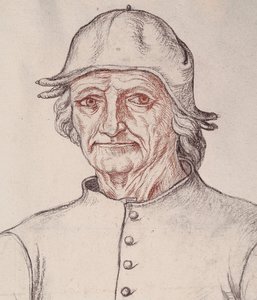
Hieronymus Bosch
1450 - 1516 , Nizozemsko
Stručné informace
- Artistic Movement Or Style: Surrealismus, Symbolismus
- Artists Or Movements Influenced By This Artist: ['Pieter Bruegel']
- Date Of Birth: c. 1450
- Date Of Death: 1516
- Full Name: Hieronymus Bosch
- Nationality: Nizozemec
- Notable Artworks:
- Zahrada Zemských Delostí
- Poslední soud Triptych
- Vzestup spasitelů
- Place Of Birth: Den Bosch, Nizozemsko

