


 Náhled
 Sdílet
 Sdílet
 Podrobnosti o díle

 Stáhnout
 Podobné položky
 Rentgenové snímky
 Slideshow
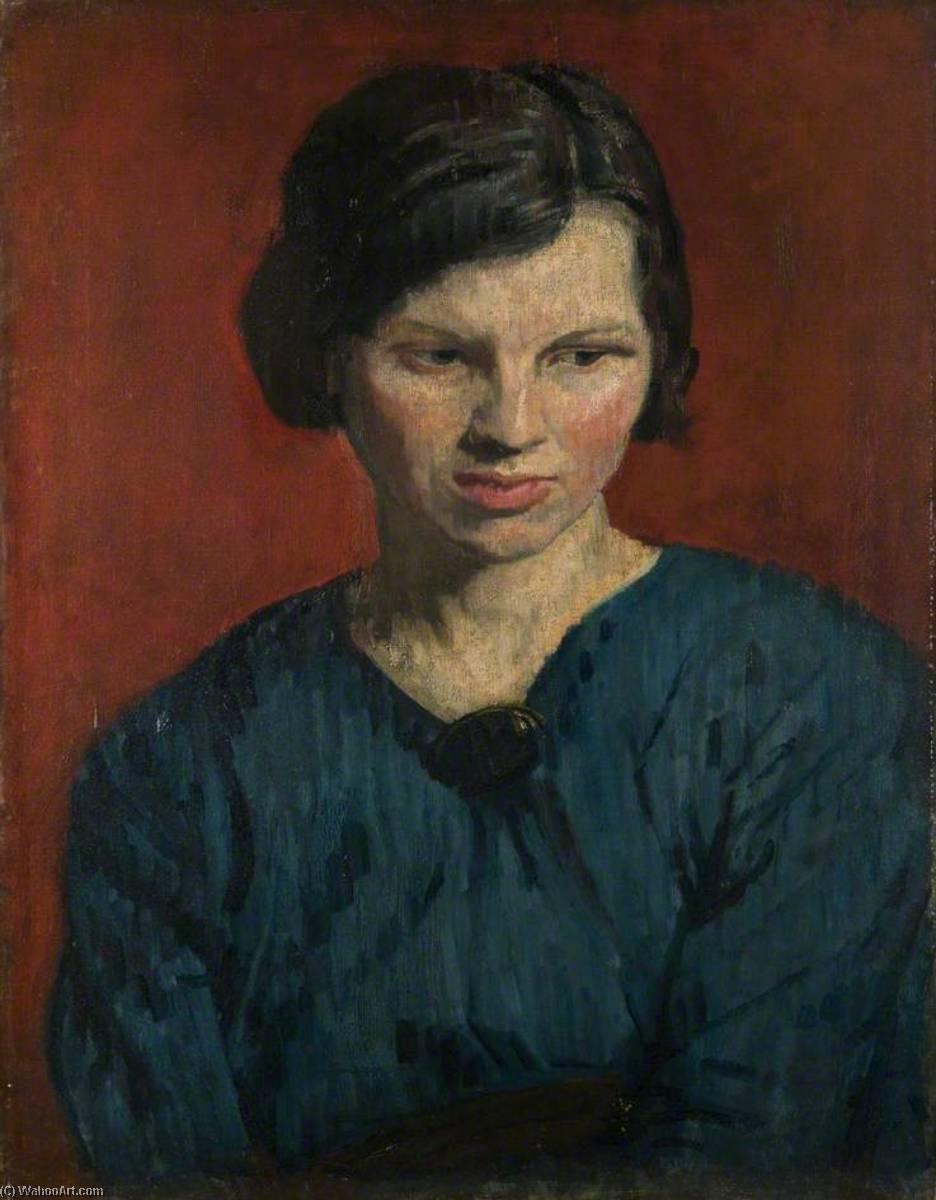
Sonia
 1915
1915 60.0 x 44.0 cm
 Ben Uri Gallery - Museum
 Zobrazit více
Ručně malovaná olejová reprodukce
Ručně malovaná olejná barva na plátně ve vašem zvoleném rozměru i s rámem, vyrobená našimi umělci na zakázku. ( Koupit tisk Koupit obrázek)




































Vyberte si z našich přednastavených velikostí, které odpovídají původním proporcím díla.

Můžete zadat vlastní rozměry pro konkrétní rám nebo prostor. Pokud se vámi vybraná velikost neshoduje s proporcemi původního obrazu, dílo buď ořízneme, nebo jej doplníme ručně malovanými prvky. Před zahájením výroby vám bude zaslán digitální náhled ke schválení.
Upozorňujeme, že náhled na obrazovce neodpovídá skutečnému ořezu ani rozšíření. Pouze digitální náhled přesně zobrazí finální kompozici.
Ačkoliv je možné zvolit vlastní velikost, pro zachování původních proporcí doporučujeme vybrat rozměr z předdefinovaného seznamu.
Po přijetí objednávky vám tým AllPaintingsStore.com zašle e-mail s pokyny a poskytne náhledovou verzi.
Celosvětová doprava () za 3–4 týdny namísto standardních 5 týdnů. (20 srpen). Bez kompromisů v kvalitě.

Zdarma celosvětová expresní doprava

Vysoce kvalitní lněné plátno

Kompletní přepravní pojištění

Záruka vrácení celního poplatku

Záruka přesného barevného shodu

60denní lhůta pro vrácení zboží (pouze při vadách výroby)

100% garance vrácení peněz

Sleva při hromadné objednávce
 Skleněná varianta je dostupná pouze u rozměrů menších než 110 cm

Sonia
Technika reprodukce
Rozměry reprodukce
-


Celková cena za výběr
$ 258
Podobná umělecká díla


Biografie umělce
The Soul of the Trenches: The Dual Legacy of Isaac Rosenberg
To understand the profound, haunting resonance of Isaac Rosenberg is to encounter a spirit caught between the delicate precision of an engraver’s tool and the visceral, mud-soaked reality of the Great War. Born in Bristol in 1890 to Lithuanian Jewish immigrants, Rosenberg’s early life was defined by a relentless pursuit of beauty amidst the grit of London's East End. His journey from a young apprentice in a Fleet Street engraving studio to the prestigious halls of the Slade School of Fine Art is a testament to a raw, unyielding talent. At the Slade, he moved within a constellation of burgeoning modernists, sharing studios and ideas with figures such as David Bomberg, Mark Gertler, and Stanley Spencer. This period of intense artistic formation instilled in him a visual literacy that would later bleed into his most famous literary achievements, allowing him to "paint" with words a landscape of human suffering and resilience.
Rosenberg’s artistry was never a singular pursuit; rather, it was a symbiotic dialogue between the eye and the pen. While he sought to establish himself as a painter, exhibiting works at the Whitechapel Gallery, it was his poetic voice that would ultimately capture the historical consciousness of an era. His early collections, such as Night and Day, hinted at a burgeoning mastery of rhythm and imagery, but it was the onset of the First World War that thrust his talent into the crucible of history. Unlike many of his contemporaries who approached the conflict through a lens of patriotic fervor, Rosenberg’s work was marked by a profound, often agonizing realism. He viewed the war not as a glorious crusade, but as a devastating force that threatened to extinguish the very essence of human creativity.
A Vision Forged in Conflict
The transition from the tranquil studies of art school to the harrowing existence of the trenches transformed Rosenberg’s creative output into something uniquely visceral. As a soldier in the King’s Own Royal Lancaster Regiment, he lived the very horrors he described, and this proximity to death lent his verse an unparalleled authenticity. His Poems from the Trenches stand as some of the most significant literary artifacts of the twentieth century. In these works, the boundaries between his training as a visual artist and his vocation as a poet dissolve; one can almost see the heavy textures of the earth, the stark shadows of No Man's Land, and the fractured light of artillery fire through his meticulously crafted metaphors.
His development as an artist was characterized by a refusal to let the devastation of war master his "poeting." Even as he faced chronic ill-health and the constant threat of violence, he maintained a commitment to exploring complex themes of identity, social injustice, and the psychological toll of combat. His ability to capture the minute, often overlooked details of soldier life—the shared moments of humanity amidst the chaos—provided a necessary counterpoint to the grand, sweeping narratives of war propaganda. This unflinching gaze at the reality of the front lines ensured that his work remained deeply grounded in the human condition, making it as much a psychological study as a historical record.
Historical Significance and Eternal Resonance
The tragic death of Isaac Rosenberg on the French front in 1918, only months before the Armistice, robbed the world of an artist who was just beginning to reach his zenith. Yet, his impact remains indelible. He occupies a singular space in the canon of Great War poets, bridging the gap between the traditional lyricism of the past and the fragmented, modernist sensibilities of the future. His legacy is not merely found in the printed word, but in the way he taught subsequent generations to witness history through a lens of empathy and uncompromising truth.
Today, we remember Rosenberg as a figure of immense cultural importance, whose life and work serve as a poignant reminder of the fragility of art in the face of destruction. His achievements include:
- The integration of visual and literary arts: Utilizing his training at the Slade School to bring a unique, painterly depth to war poetry.
- A pioneering voice of realism: Moving away from romanticized depictions of battle toward an honest, often brutal portrayal of trench life.
- Enduring literary influence: Establishing a body of work that continues to be studied for its profound exploration of identity and the human spirit during times of crisis.

isaac rosenberg
1890 - 1918
Rychlé fakta
- Artistic Movement Or Style: Modernist art, Trench poetry
- Artists Who Influenced This Artist:
- Shelley
- Keats
- Laurence Binyon
- Date Of Birth: November 25, 1890
- Date Of Death: April 1, 1918
- Full Name: Isaac Rosenberg
- Nationality: British
- Notable Artworks:
- Night and Day
- Youth
- Moses
- Poems from the Trenches
- Place Of Birth: Bristol, England


