

Oil On Canvas.

§ 1Catalogue data


§ 2Abstract
Popis sbírného předmětu
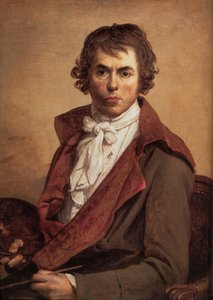
A tender Neoclassical moment of romantic devotion unfolds in Jacques-Louis David's The Farewell of Telemachus and Eucharis, a masterpiece of emotional depth inviting you to explore the beauty of classical myth.
 Zobrazit více
Biografie umělce
Jacques-Louis David (1748–1825): Francouzský malíř, klíčová postava Neoklasicismu a revoluce. Jeho díla zobrazují hrdinství, dramatičnost a klasické ideály. Známý obraz 'Slib Horatiů'.
§ 3Commentary
A Portrait of Resolve Amidst Romantic Sentiment
Jacques-Louis David’s “The Farewell of Telemachus and Eucharis” stands as a testament to the Neoclassical movement's preoccupation with moral virtue and heroic ideals—a striking juxtaposition against the burgeoning passion of its subject matter. Painted circa 1784, this monumental canvas captures a poignant moment between Telemachus, son of Odysseus, and Eucharis, his beloved, embodying the spirit of reconciliation after a perilous journey. The painting resides within the Getty Center’s collection, offering visitors an unparalleled opportunity to experience David's masterful execution firsthand.- Subject Matter: The scene depicts Telemachus comforting Eucharis as he prepares to depart on his quest for news of his father’s return from Troy—a narrative drawn directly from Homer’s Odyssey. This retelling of the epic tale prioritized moral fortitude and duty over mere romantic indulgence, reflecting the broader artistic concerns of the era.
- Style: David adhered rigorously to Neoclassical principles, rejecting the frivolity of Rococo aesthetics in favor of clarity, restraint, and idealized forms reminiscent of ancient Greece and Rome. The composition is carefully balanced, emphasizing symmetry and geometric precision—elements designed to convey stability and grandeur.
- Technique: Executed with oil paints on canvas, David employed a meticulous layering technique known as sfumato, subtly blending colors to create soft transitions and atmospheric depth. This masterful manipulation of light contributes significantly to the painting’s emotional resonance, highlighting Telemachus's compassionate gaze and Eucharis’s serene acceptance of his impending absence.
Historical Context: The Enlightenment’s Moral Compass
“The Farewell” emerged during a period of profound intellectual transformation—the Enlightenment—where philosophers championed reason, virtue, and civic duty as guiding forces for human conduct. David's artistic choices mirrored these philosophical currents, aligning with the Royal Academy’s emphasis on portraying historical narratives imbued with moral significance. The painting served as a deliberate rebuke to Rococo decadence, asserting the supremacy of classical ideals in shaping artistic expression and societal values.Symbolism: Gesture and Emotion – Keys to Understanding
David skillfully utilizes gesture and facial expressions to convey Telemachus’s unwavering devotion to Eucharis—a palpable demonstration of paternal love amidst adversity. The positioning of the figures, with Telemachus supporting Eucharis's head, symbolizes protection and reassurance. Furthermore, David’s deliberate depiction of Eucharis’s calm countenance underscores the importance of inner fortitude in confronting life’s challenges—a theme central to Homeric heroism and resonating powerfully within the Neoclassical framework.Emotional Impact: A Moment Frozen in Time
Ultimately, “The Farewell” transcends mere visual representation; it evokes a profound emotional response in the viewer. The painting captures a tender yet solemn tableau—a poignant reminder of the enduring bonds between father and daughter, and the bittersweet acceptance inherent in parting ways. David’s masterful artistry ensures that this timeless scene continues to inspire contemplation on themes of love, duty, and resilience—solidifying its place as an iconic masterpiece of Neoclassical art.Otázky a odpovědi
Patří dílo „Telemachus And Eucharis“ od Jacques-Louis David do volného užití, a proč?
Autorskoprávní status díla „Telemachus And Eucharis“ – v rámci volného užití – autorská práva vypršela – vyplývá ze smrti umělce v roce 1800.
Mohu si "Telemachus And Eucharis" prohlédnout podrobněji?
Dílo „Telemachus And Eucharis“ lze prohlížet vrstvu po vrstvě na stránce Rentgenové snímky, která funguje jako interaktivní prohlížeč inspirovaný světelnou lavicí restaurátora a nabízí jedenáct optických nálezů obrazu.
Mohu si před koupí prohlédnout „Telemachus And Eucharis“ od Jacques-Louis David na své vlastní stěně?
Stránka Náhled v rozšířené realitě pro dílo „Telemachus And Eucharis“ od Jacques-Louis David využívá rozšířenou realitu k tomu, abyste si toto umělecké dílo mohli pomocí kompatibilního zařízení prohlédnout přímo ve svém vlastním prostoru.


 Přepnout na tisk


 U děl nebo reprodukcí, u nichž je jakákoliv strana větší než 105 cm (přibližně 41 palců), bude rám dodán jako sestava v rozloženém stavu. Tato metoda zajišťuje bezpečné doručení a chrání dílo před poškozením během přepravy.


