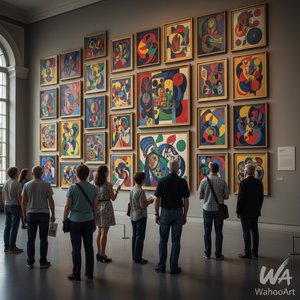
1932. Acrylic.

§ 1Catalogue data


Toto umělecké dílo je chráněno autorským právem
Umělecké dílo zobrazené na této stránce je chráněno autorským zákonem, což znamená, že nemůžeme legálně vytvářet ani prodávat jeho identickou reprodukci. Tato ochrana je vymáhána na základě mezinárodních dohod, jako například Berberská úmluva a národními zákony, včetně těch stanovených v Americký autorský zákon – Díl 17. Všechna práva vyhrazena.
Jako etická a právní alternativa nabízíme vlastní, ručně malovaná umělecká díla inspirovaná originálem. Naši zdatní a profesionální umělci si pečlivě studují styl, náladu a uměleckou podstatu originálu, aby vytvořili nové, jedinečné dílo, které vyvolává stejný pocit – přičemž zůstává samostatným originálním tvůrčím dílem.
Tato metoda je plně v souladu s autorským právem, protože nezahrnuje kopírování ani duplikování chráněného díla. Jde o kreativní reinterpretaci – nový obraz, který je inspirován originálem, ale není s ním identický.
 Více informací
§ 2Abstract
Popis sbírného předmětu
Explore Joan Miró’s surrealist masterpiece ‘Cap d'home,’ featuring distorted faces and a luminous bulb against a vibrant yellow backdrop—a captivating glimpse into Catalan identity and the artist’s visionary exploration of dreams during the 1930s.
Biografie umělce
Křehká kráska v zrcadle – mistrovské dílo Joan Miró z roku 1919, plné symboliky a podivného kouzla. Objevte surrealistickou hloubku a osobní výpověď tohoto ikonického obrazu.
§ 3Commentary
A Surrealist Portrait: Exploring Joan Miró’s “Cap d'home”
The painting "Cap d'home," created by Catalan surrealist Joan Miró in 1932, transcends mere representation; it delves into the realm of subconscious imagery and embodies the core tenets of Miró’s artistic vision. Captured in a vibrant yellow hue—a color frequently employed by Miró to convey optimism and luminosity—the artwork presents an arresting depiction of a human head, rendered with deliberate distortions that elevate it beyond a literal portrait. This isn't simply about capturing likeness; it’s about conveying emotion and psychological depth through abstracted forms.- Style: Surrealism – Miró firmly established himself as a pioneer of surrealist art, rejecting rational thought in favor of dreamlike visions and automatic drawing techniques. He sought to liberate the imagination from constraints imposed by logic, prioritizing intuition and spontaneity.
- Technique: Miró’s distinctive style is characterized by bold lines, irregular shapes, and vibrant colors—primarily yellows, reds, blues, and greens—applied with thick impasto strokes. This textural approach contributes significantly to the artwork's expressive quality, creating a palpable sense of movement and dynamism.
- Historical Context: The painting emerged during the height of Surrealist fervor in Europe, fueled by the influence of Sigmund Freud’s psychoanalytic theories. Miró participated actively in the Surrealist movement alongside artists like André Breton and Max Ernst, reflecting the broader cultural preoccupation with exploring the unconscious mind and challenging conventional artistic conventions.
Symbolism Within Abstraction: Decoding the Visual Language
The composition of “Cap d'home” is laden with symbolic references that resonate beyond its surface appearance. The two faces positioned on opposing sides represent duality—the interplay between conscious and unconscious thought, rationality and emotion—a central preoccupation within Surrealist philosophy. Furthermore, the prominent light bulb symbolizes illumination and enlightenment, suggesting a quest for understanding and transcendence. Its placement in the center draws attention to this core concept, emphasizing Miró’s desire to illuminate hidden truths. The amorphous shapes surrounding the head contribute to an atmosphere of mystery and disorientation, mirroring the unpredictable nature of dreams and subconscious experiences.Emotional Resonance: Capturing Inner Turmoil and Hope
“Cap d'home” isn’t merely aesthetically striking; it possesses a profound emotional impact. The distorted head conveys vulnerability and introspection, hinting at underlying anxieties and unresolved emotions. Yet, the radiant yellow background offers a counterpoint to this melancholic element, symbolizing optimism and resilience—a testament to Miró’s unwavering belief in the transformative power of art. Ultimately, the artwork invites viewers to contemplate their own inner landscapes, prompting reflection on themes of identity, perception, and the elusive nature of reality. It stands as a powerful reminder that true beauty resides not just in visual perfection but in conveying profound emotional truths.Otázky a odpovědi
Jakou paletu a jaká hlavní barva definují "Cap d'home"?
„Cap d'home“ je definováno paletou Earthy, v níž dominuje barva Phthalo Green (#14151c).
Kde mohu najít umělecká díla podobná dílu „Cap d'home“ od Joan Miró?
Podobná díla k "Cap d'home" naleznete na stránce Podobná díla tohoto díla.
Která barva v díle "Cap d'home" nejvíce vyniká?
Hlavní barvou díla „Cap d'home“ od Joan Miró je Phthalo Green (#14151c).


 Přepnout na tisk


 U děl nebo reprodukcí, u nichž je jakákoliv strana větší než 105 cm (přibližně 41 palců), bude rám dodán jako sestava v rozloženém stavu. Tato metoda zajišťuje bezpečné doručení a chrání dílo před poškozením během přepravy.