

Romanticism · 1817
Flatford Mill (John Constable, 1817)
Flatford Mill je dílo autora John Constable (1776–1837). Pochází z roku 1817. Patří k hnutí Romanticism. Je vyrobeno z Oil On Canvas. Rozměry jsou 50 × 60 cm.
- 1817
- Oil On Canvas
- 50 × 60 cm

 Náhled v interiéru

 Tisk
 Sdílet
 Sdílet
 Informační list pro studenty


 Stáhnout
 Podobné položky
 Rentgenové snímky
 Slideshow
 Otázky a odpovědi

 Statistiky
Flatford Mill: klíčové údaje
- Název díla
- Flatford Mill
- Autor
- John Constable (1776–1837)
- Rok narození umělce
- East Bergholt, Spojené království
- Datum vytvoření
- 1817
- Technika
- Oil On Canvas
- Rozměry
- 50 × 60 cm
- Pohyb
- Romanticism
- Období
- 19th Century
- Motiv
- landscape, rural england, mill scene, river stour, pastoralism, british art
Co zobrazuje dílo Flatford Mill?
Identification of Flatford Mill by John Constable
Flatford Mill is an 1817 landscape painting by the British artist John Constable. This work offers a view of the mill located in East Bergholt on the River Stour. It is also known by the subtitle Scene on a Navigable River. The scene captures a specific moment in the rural landscape of the Stour Valley, focusing on the quiet activity surrounding the water's edge.
The painting was first presented to the public when it was displayed at the Royal Academy's Summer Exhibition at Somerset House in 1817. At that time, it established the artist's interest in the specific topography of his home region. The composition centers on the mill and the river, providing a detailed look at the relationship between the water and the surrounding land.
The Composition and Visual Elements
The composition pulls you into a world of lush greens and reflective waters. At the heart of the scene, the calm, reflective waters of the river act as a mirror to the lush, verdant banks. This interplay of light and liquid creates a sense of depth that draws the eye toward the center of the work. A moored boat and distant figures provide a gentle human connection to the vastness of the Suffolk countryside, grounding the landscape in a quiet, lived-in reality.
Several individuals stand near the water's edge, their presence adding a subtle layer of activity to the peaceful scene. On the left side of the image, a horse is positioned near the bank, its form integrated into the pastoral setting. Two boats are visible in the water; one is situated towards the center, while another rests slightly to the right. These elements, combined with the rhythmic presence of the river, establish a sense of harmony within the rural environment.
Technique and Artistic Materials
In this oil on canvas, one can sense the methodical preparation that preceded the final application of paint. Before committing to the large-scale composition, the artist relied on a foundation of oil sketches, graphite drawings, and watercolour studies. This disciplined approach allowed for a careful arrangement of the landscape's complexities. The resulting work possesses a physical weight, achieved through the use of thick impasto to build up texture across the surface. This tactile quality gives the river and the earth a sense of movement and life.
There is a particular luminosity in the way the light interacts with the water and the sky. This effect is achieved through the painstaking layering of thin glazes of paint. Such a technique allows light to penetrate the surface, creating an illusion of shimmering luminescence that mimics the shifting atmosphere of the Stour Valley. It is a quiet, deliberate mastery of light and shadow.
Historical Ownership and Collections
The provenance of this work is deeply connected to the artist's own legacy. It was eventually included as part of the Constable Bequest in 1888, ensuring its place within the public consciousness. This transition from private hands to a permanent collection secured its survival for future generations to study.
Today, the painting is held within the collection of Tate Britain. It is also part of the holdings at the Tate Gallery in London. These institutions maintain the work as a significant part of their English landscape holdings. Additionally, the National Trust holds a connection to the work through its stewardship of the surrounding landscapes and properties.
Related Works by John Constable
To understand the evolution of this artist, one might look toward his earlier explorations of the Stour Valley. In 1815, he produced Boat-building near Flatford Mill, a work that captures the rhythmic sounds of craftsmanship against a quiet river setting. This piece reflects his deep connection to the local landscape and the dignity of rural labor. It is a quiet study of the textures found in the Suffolk countryside.
His later compositions often expanded in scale and ambition. He moved toward larger canvases, such as The Hay Wain from 1821, which remains one of his most recognized depictions of the river. Other significant works include The Cornfield (1826) and The Lock (1824), both of which continue his investigation into the interplay of light and water. He also turned his attention to more architectural subjects, such as Salisbury Cathedral from the Meadows in 1831.
- Boat-building near Flatford Mill (1815)
- The Hay Wain (1821)
- The Lock (1824)
- The Cornfield (1826)
- Salisbury Cathedral from the Meadows (1831)
Where to See This Masterpiece Today
If you wish to experience the subtle shifts of light and the texture of the River Stour in person, you will find this work held within the collections of the Tate Gallery in London. It is part of the permanent collection at Tate Britain, where the painting is kept for public viewing. The work remains a significant part of the Tate Britain collection, allowing visitors to observe the specific impasto and the atmospheric perspective that Constable achieved in 1817.
The painting is situated in London, United Kingdom. It is housed within the Tate Gallery, London, providing a quiet space to study the relationship between the water and the sky. Being part of the Tate Britain collection, it is accessible to those who appreciate the nuances of the Romantic tradition in a museum setting.
Flatford Mill: obrazové soubory

Zpracováno z obrazu s vyšším rozlišením z naší databáze, nikoliv z webové verze: minimálně 300 DPI. Barvy byly ověřeny podle originálu a soubor byl digitálně retušován odborníkem.
Koupit obraz ve vysokém rozlišeníJohn Constable, Flatford Mill (1817).
John Constable (1776–1837), Flatford Mill, 1817, oil on canvas. Veřejná doména Image: AllPaintingsStore.com.
Otázky k tématu Flatford Mill
V jakém roce vzniklo dílo „Flatford Mill“ od John Constable?
Dílo „Flatford Mill“ od John Constable vzniklo v roce 1817.
Jakou technikou je vytvořeno dílo "Flatford Mill"?
Technikou díla „Flatford Mill“ od John Constable je Oil On Canvas. Reprodukce mají za cíl věrně zachytit vzhled této techniky.
Jaké jsou rozměry originálu díla „Flatford Mill“ od John Constable?
Zaznamenané rozměry díla „Flatford Mill“ od John Constable jsou 50 x 60 cm. Reprodukce lze objednat v jiných velikostech při zachování stejných proporcí.
Jaká témata se objevují v díle „Flatford Mill“ od John Constable?
Motivy díla „Flatford Mill“ jsou landscape, rural england, mill scene, river stour, pastoralism, british art, constables vision.
Je dílo „Flatford Mill“ volné z autorských práv?
Stav autorských práv pro dílo „Flatford Mill“ od John Constable: toto dílo spadá do v rámci volného užití – autorská práva vypršela. To určuje, zda lze volně vytvářet reprodukce tohoto obrazu.
Kdo je autorem díla "Flatford Mill"?
Dílo "Flatford Mill" se připisuje autorovi John Constable.
K jakému stylu patří „Flatford Mill“?
„Flatford Mill“ je dílo z období Romanticism. Tento směr představuje uměleckou tradici, jejíž je dílo součástí.
Do jaké fáze tvůrčího rozvoje John Constable patří dílo „Flatford Mill“?
V rámci kariéry umělce John Constable spadá dílo „Flatford Mill“ do období Early Romanticism. Tato fáze umožňuje jeho srovnání s dalšími díly tohoto umělce.
Kolik let bylo John Constable, když v roce 1817 vytvořil(a) dílo „Flatford Mill“?
Při vzniku díla „Flatford Mill“ v roce 1817 bylo umělcům John Constable (narozenému/é v 1776) 41 let.
O umělci John Constable
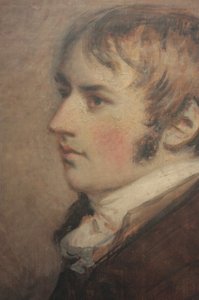
1776–1837, Spojené království
John Constable
Raný život, rodina a vzdělání John Constable se narodil v roce 1776 ve vesnici East Bergholt v hrabství Suffolk. Byl druhým synem Goldinga a Anny (Watts) Constableových. Jeho otec byl prosperujícím obchodníkem s oběží a uhlím, který vlastnil Flatford Mill. Tato blízkost k řece a místnímu obchodu znamenala, že rytmus vody a pohyb zboží byly nedílnou součástí každodenního života jeho domácnosti.
Každé dílo John Constable, včetně rozměrů a cen → Profil umělce Slavná díla autora John Constable
Další díla autora John Constable
 Vůz na seno1821
 Výhled na katedrálu Salisbury z biskupových zahrad1823
 Salisbury katedrála
 Voz s senem (detail)1821

Články o tématu Flatford Mill
 Mastering the English Landscape: The 25 Best Artworks by John ConstableBorn in 1776, Constable rejected the theatricality of the Royal Academy for plein air honesty. Why did this shift change landscape art fore…
 25 Must-See Masterpieces at Tate Gallery London: A Journey Through Art HistoryIn 1889, Arles became the setting for Van Gogh's Self Portrait with Bandaged Ear and Pipe, a work defined by thick, vibrating impasto.
 10 Iconic Masterpieces That Defined Romantic Landscape PaintingJohn Constable completed The Hay Wain in 1821 during the Industrial Revolution. How did this era of upheaval shape the Romantic movement?