


 Náhled v interiéru
 Sdílet
 Sdílet
 Podrobnosti o díle
 Průvodce

 Stáhnout
 Podobné položky
 Rentgenové snímky
 Slideshow
 Otázky a odpovědi
 Statistiky
Study for


 Zobrazit více
Umělecké dílo zobrazené na této stránce je chráněno autorským zákonem, což znamená, že nemůžeme legálně vytvářet ani prodávat jeho identickou reprodukci. Tato ochrana je vymáhána na základě mezinárodních dohod, jako například Berberská úmluva a národními zákony, včetně těch stanovených v Americký autorský zákon – Díl 17. Všechna práva vyhrazena.
Tato metoda je plně v souladu s autorským právem, protože nezahrnuje kopírování ani duplikování chráněného díla. Jde o kreativní reinterpretaci – nový obraz, který je inspirován originálem, ale není s ním identický.
Giclée / Umělecký tisk
Giclée nebo plátěný tisk muzeální kvality s rychlou výrobou a širokou nabídkou povrchových úprav. ( Koupit ručně malovaný obraz Přepnout na digitální obraz)




P118B Kč10

P118H Kč10

P118W Kč10

P438Z Kč10

P508JH Kč12

P508YH Kč12

P805H Kč10

P805Z Kč10

P919BZ Kč10

P919G Kč10

P919XJ Kč10

P959ZH Kč10

P968JZ Kč12

W106C Kč8

W218G Kč10

W218JH Kč8

W218Y Kč10

W307PJ Kč10

W316G Kč10

W316PJ Kč8

W316Y Kč10

W398PJ Kč8

W4111J Kč10

W500HY Kč15

W500JH Kč15

W692G Kč12

W849H Kč8

W940BG Kč15

W953PJ Kč8




Vyberte si z našich přednastavených velikostí, které odpovídají původním proporcím díla.

Zadejte šířku a výšku, které potřebujete pro váš rám nebo stěnu. Tisk lze pouze oříznout, nikdy však nelze zvětšit obraz nad jeho původní rozměr, proto při výběru jiného formátu dochází ke ztrátě části obrazu. Před samotným tiskem vám zašleme digitální náhled k schválení. Obraz zobrazený na této stránce nenabízí skutečný výřez — ten uvidíte pouze v náhledu.
Celosvětové doručení () do 2 týdnů namísto standardních 4/5 týdnů. (3 listopad)

Zdarma celosvětová expresní doprava

Vysoce kvalitní lněné plátno

Kompletní pojištění přepravy

Záruka vrácení celního poplatku

Záruka věrného barevného souladu

100dení lhůta pro vrácení zboží (pouze při vadách výroby)

100% záruka vrácení peněz

Sleva při více objednávkách
 Skleněná varianta je dostupná pouze u rozměrů menších než 110 cm

Study for
Giclée / Umělecký tisk
Rozměry reprodukce
-


Celková cena za vybrané možnosti reprodukcí
Kč 1417
Podobná díla


Biografie umělce
Introduction: The Enduring Power of a Working Man’s Vision
Josef Herman OBE (1911-2000) stands as a quietly monumental figure in British art, an artist whose impact resonated deeply within the landscape of contemporary painting. Born in Warsaw amidst the burgeoning artistic scene of Poland, and ultimately finding his home and profound inspiration in the Welsh mining community of Ystradgynlais, Herman’s work transcends mere representation; it's a poignant exploration of human dignity, resilience, and the enduring spirit of ordinary people. His distinctive style – characterized by bold, simplified forms and a remarkable ability to imbue his subjects with an almost palpable sense of humanity – continues to captivate viewers today. This biography seeks to unravel the layers of Herman’s life and artistic journey, revealing the forces that shaped his vision and cemented his place as a significant voice in 20th-century art.Early Life and Influences: A Polish Heritage Forged by Displacement
Josef Herman's early years were steeped in the traditions of Poland, specifically within the Yiddish community. Born on January 3rd, 1911, to a shoemaker father and a mother named Sarah Malkah, he grew up speaking Yiddish and absorbing the rich cultural tapestry of his heritage. This formative experience profoundly influenced his artistic sensibilities, instilling in him a deep appreciation for storytelling, communal life, and the dignity of labor – values that would later become central themes in his work. His formal training began at the Warsaw School of Art in 1930, where he honed his skills as a typesetter and graphic designer, disciplines which undoubtedly informed his understanding of composition and visual communication. However, the rising tide of anti-Semitism and the looming threat of war forced a dramatic shift in his life trajectory. In 1938, at the age of 27, Herman fled Poland for Brussels, seeking refuge from escalating persecution. This displacement marked not an ending but a catalyst, exposing him to a wider artistic world and setting the stage for a remarkable journey across Europe.The Journey to Britain: Finding Sanctuary and Inspiration in Wales
Following the outbreak of World War II, Herman’s path led him through France before finally arriving in Great Britain in 1940. Initially settling in Glasgow, he found himself amidst a vibrant artistic community, forging connections with fellow émigré artists like Benno Schotz and Jankel Adler – relationships that provided crucial support and shared experiences during a period of immense upheaval. It was during his time in Ystradgynlais, from 1944 to 1955, however, that Herman truly blossomed as an artist. Drawn by the stark beauty of the Welsh landscape and the palpable spirit of its working-class communities, he immersed himself in the lives of coal miners, fishermen, and farmers – subjects who would become the focus of his most celebrated paintings. The nickname “Joe Bach” (Little Joe), bestowed upon him by the locals, speaks volumes about his integration into the community and the genuine affection he garnered. This period wasn’t merely a residence; it was a profound engagement with a culture that deeply resonated with his artistic sensibilities and provided the emotional core of his work.A Distinctive Style: Bold Shapes and Portraits of Humanity
Herman's artistic style is immediately recognizable, characterized by its deliberate simplicity and powerful impact. He eschewed intricate detail in favor of bold, geometric shapes – a technique that served to amplify the essence of his subjects rather than distract from them. His paintings are not about photographic realism; they’re about capturing the *feeling* of a moment, the weight of labor, the quiet dignity of everyday life. His most famous works, such as “Miners” (1951), depict groups of men resting after their shift, radiating an aura of exhaustion and camaraderie. The painting is not merely a representation of miners; it’s a meditation on the human condition, highlighting the shared experience of hard work and the bonds forged within communities. He famously stated, “I stayed here because I found all I required,” encapsulating his belief that Ystradgynlais offered him everything he needed to continue his artistic journey. This sentiment underscores his commitment to portraying the lives of ordinary people with honesty and respect.Recognition and Legacy: An OBE, Royal Academy Membership, and Enduring Influence
Herman’s contributions to British art were ultimately recognized through prestigious awards and honors. In 1981, he was awarded an Order of the British Empire (OBE) for his services to the arts, a testament to his impact on the national artistic landscape. Furthermore, in 1990, he was elected to the Royal Academy of Arts – a remarkable achievement that solidified his position as a leading figure in contemporary British painting. Following his death in February 2000, the Josef Herman Foundation was established in Ystradgynlais, dedicated to preserving and promoting his work, fostering arts initiatives within South Wales, and ensuring that his legacy continues to inspire future generations. His paintings are now held in prominent collections across the United Kingdom, including the Glynn Vivian Art Gallery (Swansea), the New Art Gallery Walsall, and the Museum Belfast Waterfront, guaranteeing his continued visibility and influence on art history. The foundation’s work ensures that Herman's story – one of displacement, resilience, and unwavering dedication to portraying the dignity of ordinary people – will not be forgotten.
Josef Herman Obe Ra
1911 - 2000 , Poland
Rychlé informace o umělci
- Full Name: Josef Herman OBE RA
- Nationality: Polish-British
- Date Of Birth: 1911
- Date Of Death: 2000
- Place Of Birth: Warsaw, Poland
- Notable Artworks:
- Miners (1951)
- Working people
- Artistic Movement Or Style: Bold shapes, minimalist
- Artists Who Influenced This Artist:
- Courbet
- Millet
- Van Gogh
- Artists Or Movements Influenced By This Artist:
- Kat Kollwitz
- Permeke
Související články

Top 10 slavných obrazů vládnutých bílou barvou – Umění a inspirace pro interiér
Objevte top 10 slavných obrazů, kde bílá barva hraje klíčovou roli. Claude Monet, Van Gogh a další mistři! Inspirace pro váš interiér a reprodukce umění nejvyšší kvality na AllPaintingsStore.com.

Shadow & Soul: Why Black & White Photography Remains the Ultimate Power Move in Modern Art
Discover why black & white photography remains a powerful force in contemporary art. Explore the impact of light, shadow, and texture through a visual journey of monochrome mastery and learn how to elevate your space with timeless grayscale aesthetics.

Top 10 slavných obrazů s dominantní černou barvou | AllPaintingsStore.cz
Prozkoumejte 10 nejslavnějších obrazů s dominantní černou barvou od Van Gogha, Muncha a dalších mistrů. Objevte příběhy za uměleckými díly, techniky a inspiraci. Reprodukce obrazů nejvyšší kvality na AllPaintingsStore.com.
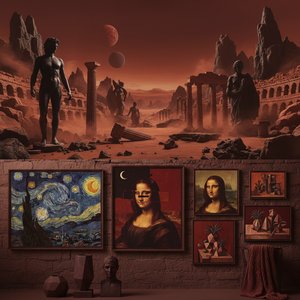
Top 10 slavných obrazů v odstínech černé – Umění a dekor s AllPaintingsStore
Prozkoumejte 10 nejslavnějších obrazů ovládaných odstíny černé. Objevte příběhy za uměleckými díly, techniky a inspiraci ikonických mistrů. Reprodukce obrazů s AllPaintingsStore – luxusní dekorace pro váš domov. Prohlédněte si celou kolekci online!
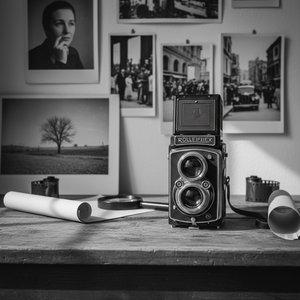
Monochrome Visions: Exploring the Aesthetic & Historical Significance of Black & White Photography
Explore the rich history & artistic power of black and white photography. From early techniques to iconic masters like Ansel Adams, discover why monochrome continues to captivate art lovers today. Expert insights for collectors.