


 Zobrazit v interiéru
 Odeslat
 Sdílet
 Podrobnosti
 Průvodce

 Stáhnout obrázek
 Podobné kousky
 Rentgenové snímky
 Slideshow
 Statistiky
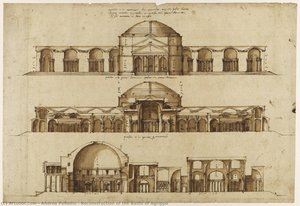
Berlin. Altes Museum by the Lustgarten. Cross section view of the Rotunda
 Acrylic On Canvas
- WallArt
- Romantic Classicism
 58.0 x 93.0 cm
 Kupferstichkabinett
 Přečíst si více
Ručně malovaná olejová reprodukce
Ručně malované olejné plátno v libovolném rozměru i s rámem, vyrobené našimi umělci na zakázku. ( Přepnout na tiskové verze Přepnout na digitální verzi obrazu)




P118B $10

P118H $10

P118W $10

P438Z $10

P508JH $12

P508YH $12

P805H $10

P805Z $10

P919BZ $10

P919G $10

P919XJ $10

P959ZH $10

P968JZ $12

W106C $8

W218G $10

W218JH $8

W218Y $10

W307PJ $10

W316G $10

W316PJ $8

W316Y $10

W398PJ $8

W4111J $10

W500HY $15

W500JH $15

W692G $12

W849H $8

W940BG $15

W953PJ $8




Vyberte si z našich přednastavených velikostí, které odpovídají původním proporcím díla.

Můžete zadat vlastní rozměry pro konkrétní rám nebo prostor. Pokud se vámi vybraná velikost neshoduje s proporcemi původního obrazu, dílo buď ořízneme, nebo jej doplníme ručně malovanými prvky. Před zahájením výroby vám bude zaslán digitální náhled ke schválení.
Upozorňujeme, že náhled na obrazovce neodpovídá skutečnému ořezu ani rozšíření. Pouze digitální náhled přesně zobrazí finální kompozici.
Ačkoliv je možné zvolit vlastní velikost, pro zachování původních proporcí doporučujeme vybrat rozměr z předdefinovaného seznamu.
Po přijetí objednávky vám tým AllPaintingsStore.com zašle e-mail s pokyny a poskytne náhledovou verzi.
Celosvětová doprava () za 3–4 týdny namísto standardních 5 týdnů. (21 září). Bez kompromisů v kvalitě.

Zdarma celosvětová expresní doprava

Vysoce kvalitní lněné plátno

Úplné pojištění přepravy

Záruka vrácení celního poplatku

Záruka věrného barevného shodu

100dení lhůta pro vrácení zboží (pouze při vadách výroby)

100% garance vrácení peněz

Sleva při více objednávkách
 Skleněná varianta je dostupná pouze u rozměrů menších než 110 cm

Berlin. Altes Museum by the Lustgarten. Cross section view of the Rotunda
Technika provedení
Velikost reprodukce
-


Celková cena
$ 258
A Vision of Classical Order: Examining Karl Friedrich Schinkel’s Rotunda Cross-Section
The Altes Museum in Berlin stands as a testament to the enduring influence of neoclassical architecture, and at its heart resides a meticulously crafted cross-section drawing by Karl Friedrich Schinkel—a figure whose life mirrored the turbulent currents of 19th-century Prussia. More than just a technical diagram, this artwork embodies Schinkel’s profound belief in rationality and beauty, reflecting his unwavering dedication to elevating architectural design through geometric precision and harmonious proportions. Its creation occurred during a period marked by significant artistic experimentation, yet Schinkel steadfastly championed the revival of classical ideals—a stance that cemented his legacy as one of Germany's most celebrated architects.- Historical Context: Schinkel’s vision emerged from the burgeoning Romantic movement, which simultaneously embraced emotion and intellectual rigor. However, he resolutely rejected sentimentality in favor of structural clarity, mirroring the broader societal desire for stability amidst political upheaval. The drawing itself was conceived as part of a larger project—the museum's ambitious design—aiming to showcase Prussian cultural heritage with dignity and grandeur.
- Composition & Perspective: The vertical orientation immediately draws attention to the rotunda’s soaring height, emphasizing Schinkel’s deliberate manipulation of perspective. Linear perspective subtly guides the viewer’s gaze inward, fostering an appreciation for the building's internal spatial organization—a cornerstone of neoclassical design principles.
- Technique & Materials: Executed with graphite or charcoal on paper, the drawing demonstrates Schinkel’s mastery of hand drafting techniques. The artist employed hatching and cross-hatching extensively to model forms and convey depth, capturing nuances of light and shadow that would have been impossible to achieve through conventional painting.
Decoding the Symbolism: Order and Enlightenment Values
The geometric precision inherent in Schinkel’s drawing speaks volumes about his philosophical convictions. The circular dome—a deliberate reference to Roman temples—represents divine harmony and intellectual enlightenment, reflecting the Enlightenment's emphasis on reason as a path toward moral improvement. Furthermore, the symmetrical arrangement of columns and arches underscores the importance of balance and proportion—values considered paramount in classical aesthetics and subsequently adopted by Schinkel’s contemporaries.A Study in Texture & Light: Capturing Architectural Essence
Despite its monochromatic palette—primarily shades of beige, grey, and white—the drawing possesses a remarkable textural quality. Varying line density creates a palpable sense of surface detail, simulating the materiality of stone and plaster. Schinkel’s skillful shading effectively mimics natural light diffusion, illuminating the rotunda's interior space and conveying an atmosphere of serene contemplation. This meticulous attention to visual representation underscores Schinkel’s commitment to capturing not merely the physical structure but also its emotional impact.Legacy & Influence: Shaping Berlin’s Cultural Landscape
Schinkel’s Rotunda Cross-Section stands as a symbol of Prussia's cultural aspirations during the Romantic era—a testament to Schinkel’s unwavering belief in classical ideals and his unparalleled skill as an architect. Its enduring appeal lies in its ability to inspire awe and admiration for architectural grandeur, reminding us that beauty can be found not only in ornamentation but also in the careful articulation of form and space. Reproductions of this artwork continue to grace interiors worldwide, embodying Schinkel’s timeless vision of elegance and intellectual sophistication.Související díla




Biografie umělce
Karl Friedrich Schinkel (1781–1841): A Prussian Visionary
Karl Friedrich Schinkel, born in Neuruppin, Germany, in 1781, occupies a singular position within the annals of 19th-century art and architecture. His life was a compelling narrative woven with threads of personal hardship and professional triumph, unfolding against the backdrop of shifting political landscapes and burgeoning artistic movements. The devastating fire that ravaged Neuruppin in 1787, tragically claiming his father’s life while Schinkel was still a young boy, cast a long shadow over his formative years. This early experience, perhaps, instilled within him a profound appreciation for order, permanence, and the enduring power of form—qualities that would later define his artistic vision. It undoubtedly contributed to the meticulous precision and emotional resonance so characteristic of his mature work. He received early mentorship under Friedrich Gilly and his father David Gilly, both influential architects in Berlin, absorbing their classical principles while simultaneously encountering more experimental ideas – a crucial blend that shaped his developing aesthetic sensibilities. These foundational years provided Schinkel with a robust understanding of architectural history and technique, preparing him for the pivotal decisions that lay ahead.Early Artistic Aspirations: Painting Before Architecture
Initially, Schinkel pursued painting as his chosen profession, demonstrating considerable talent in landscape and portraiture. He honed his skills under Gilly’s guidance, mastering techniques of tonal gradation and capturing atmospheric effects with remarkable sensitivity. However, a transformative encounter occurred during an exhibition in Berlin in 1810—a moment that irrevocably altered the trajectory of his artistic career. There he beheld Caspar David Friedrich’s *Wanderer above the Sea of Fog*, a painting that profoundly moved him. The sheer emotional depth and masterful execution of Friedrich's work struck Schinkel with an undeniable force, prompting a critical self-assessment. Recognizing that his own artistic inclinations did not align with achieving such heights in painting—that it lacked the grandeur and expressive power he craved—he made the decisive step away from easel painting toward the more ambitious realm of architecture. This wasn’t merely a change of medium; it represented a fundamental shift in Schinkel's worldview, reflecting his conviction that true artistic fulfillment lay in shaping the physical environment rather than merely depicting it.The Birth of Neoclassical Influence: Shaping Berlin’s Identity
Schinkel’s architectural vision was decisively shaped by his exposure to classical art and architecture during his formative years in Italy. He studied the ruins of Rome with unwavering dedication, absorbing the principles of Greek sculpture and design—a pursuit that would become central to his artistic practice. This fascination with antiquity instilled within him a reverence for symmetry, proportion, and idealized forms—values that he consistently championed throughout his career. His early projects—including the Neues Rathaus (New Town Hall) in Berlin—embodied these neoclassical ideals, demonstrating an unparalleled command of architectural technique and conveying a sense of solemn grandeur intended to inspire civic pride. Schinkel’s designs were characterized by meticulous attention to detail, utilizing refined materials like marble and sandstone to create spaces that evoked the majesty of ancient Greece. He skillfully blended classical ornamentation with functional considerations, crafting buildings that served both aesthetic beauty and practical purpose—a hallmark of his distinctive architectural style.A Synthesis of Styles: Gothic Revival and Beyond
Schinkel’s artistic genius extended beyond Neoclassicism; he embraced the Gothic Revival movement with enthusiasm, recognizing its expressive potential and its ability to convey spiritual grandeur. Inspired by medieval cathedrals and churches, Schinkel incorporated elements of ribbed vaulting, pointed arches, and stained glass into his designs—a bold departure from prevailing architectural trends. The Friedrichswerdersche Kirche (Friedrichstadt Church), completed in 1832–1834, stands as a testament to this innovative fusion of styles, demonstrating Schinkel’s willingness to experiment with new techniques and materials while retaining an unwavering commitment to classical principles. He skillfully juxtaposed Gothic ornamentation with neoclassical proportions, creating spaces that evoked both solemn reverence and visual harmony—a stylistic hallmark that distinguishes his oeuvre from many of his contemporaries.Legacy: An Architect Who Defined Prussia's Aesthetic Vision
Karl Friedrich Schinkel’s influence on German architecture and art is undeniable. His designs profoundly shaped the cityscape of Berlin and established a new standard for monumental buildings throughout Prussia. He championed the idea that architecture should serve as a vehicle for cultural expression, fostering a sense of national identity and inspiring generations of artists and builders. Beyond his architectural achievements, Schinkel was also a prolific theorist and draftsman, disseminating his ideas through publications like *Sammlung architektonischer Entwürfe* (1820–1837) and *Werke der höheren Baukunst* (1840–1846)—works that continue to inform architectural discourse today. Though political constraints and his untimely death in 1841 curtailed his ambitions, Schinkel remains a pivotal figure in German artistic history—a visionary architect who irrevocably transformed the aesthetic landscape of his time. His buildings endure as symbols of Prussian grandeur and intellectual excellence, embodying the enduring power of thoughtful design and unwavering artistic conviction.- Notable Projects: Neues Rathaus Berlin, Friedrichswerdersche Kirche, Altes Museum
- Influences: Caspar David Friedrich, Classical Antiquity (Greek Sculpture), Gothic Revival
- Legacy: Considered one of Prussia’s most influential architects; his designs continue to inspire contemporary architectural practice.

Karl Friedrich Schinkel
1781 - 1841 , Německo
Rychlé informace
- Artistic Movement Or Style: Neoklasicismus, Gotická revival
- Artists Or Movements Influenced By This Artist:
- Modern architektura
- Německý architekt
- Artists Who Influenced This Artist:
- Friedrich Gilly
- David Gilly
- Date Of Birth: 1781
- Date Of Death: 1841
- Full Name: Karl Friedrich Schinkel
- Nationality: Pruský
- Notable Artworks:
- Neue Wache
- Altes Museum
- Bauakademie
- Place Of Birth: Neuruppin, Německo
Související články
25 Mistrovských Děl Alte Pinakothek: Umění a Krása pro Váš Domov | AllPaintingsStore
Prozkoumejte 25 ikonických děl Alte Pinakothek v Mnichově! Obrazy Da Vinciho, Rembrandta a Rubense ožívají. Inspirujte se pro váš interiér s reprodukcemi nejvyšší kvality na AllPaintingsStore.com.

25 Mistrovských Děl Státních Muzeí v Berlíně: Umění pro Vaši Inspiraci | AllPaintingsStore.com
Objevte 25 ikonických děl Státních muzeí v Berlíně! Prozkoumejte příběhy za Nefertiti, Pergamonovým oltářem a dalšími mistrovskými díly. Inspirace pro váš interiér s reprodukcemi nejvyšší kvality na AllPaintingsStore.com

Ephemeral Lines: Exploring Emotional Resonance in Ink Sketching Traditions
Explore the profound art of ink sketching! Discover techniques to express emotion, master line work, and cultivate artistic sensitivity. Learn from historical masters & unlock your creative potential.

The Eloquent Line: Exploring the Artistic Significance of Sketches Across Movements and Media
Explore the profound artistic significance of sketches throughout history. From Renaissance masters to modern innovators like Van Gogh & Guston, discover how these foundational works reveal technique, emotion, and vision. Learn more at AllPaintingsStore.

Caspar David Friedrich: Romanticism's Master of Landscape & the Sublimity of Inner Experience
Explore the profound landscapes of Caspar David Friedrich, a master of German Romanticism. Discover the symbolism, themes & enduring influence of this iconic artist. A deep dive into his life and work.


