

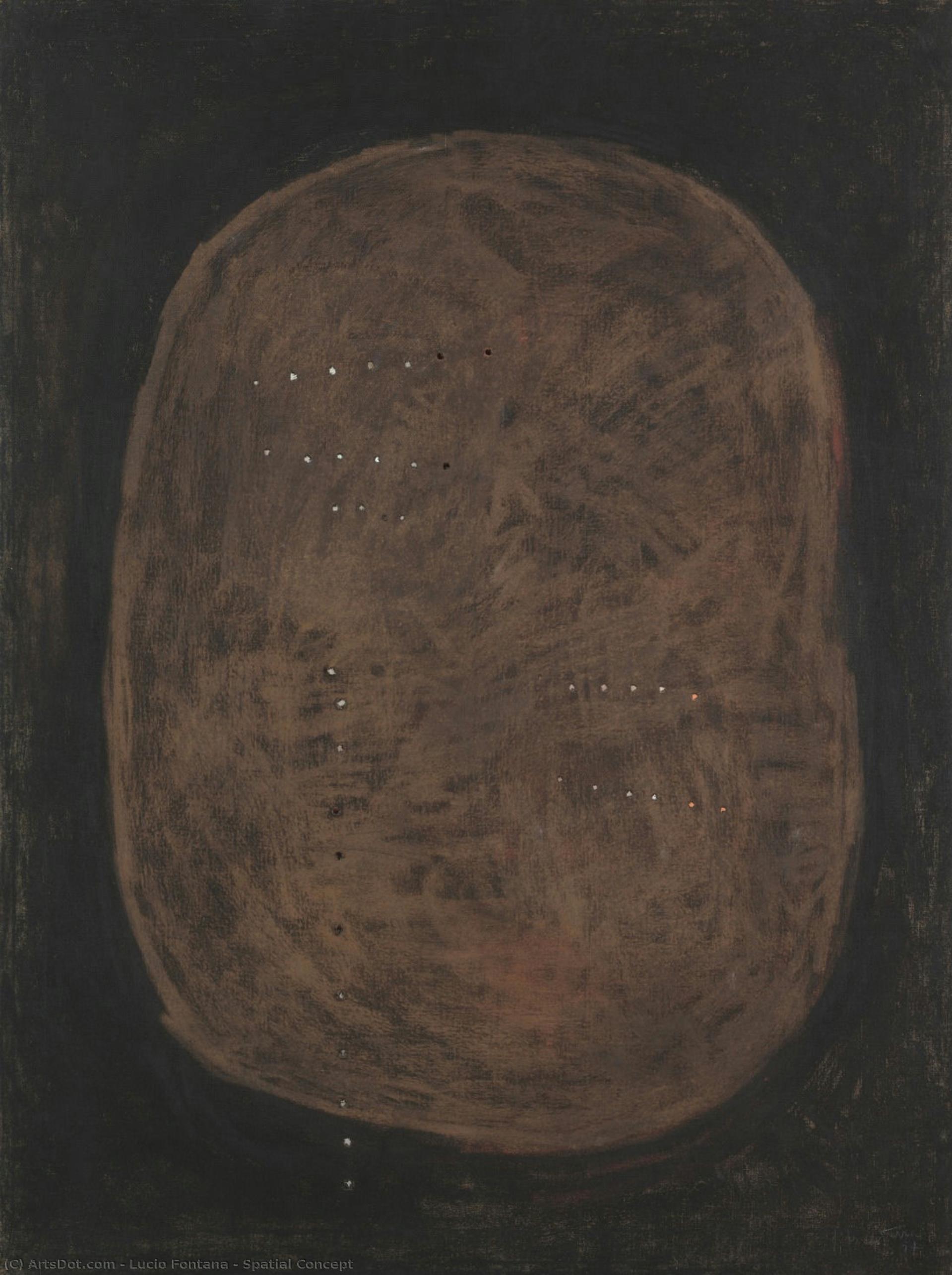
1957. Acrylic On Canvas, 180.0 x 97.0 cm. Boschi Di Stefano House Museum.
§ 1Katalogová data

- 180.0 x 97.0 cm


Toto umělecké dílo je chráněno autorským právem
Umělecké dílo zobrazené na této stránce je chráněno autorským zákonem, což znamená, že nemůžeme legálně vytvářet ani prodávat jeho identickou reprodukci. Tato ochrana je vymáhána na základě mezinárodních dohod, jako například Berberská úmluva a národními zákony, včetně těch stanovených v Americký autorský zákon – Díl 17. Všechna práva vyhrazena.
Jako etická a právní alternativa nabízíme vlastní, ručně malovaná umělecká díla inspirovaná originálem. Naši zdatní a profesionální umělci si pečlivě studují styl, náladu a uměleckou podstatu originálu, aby vytvořili nové, jedinečné dílo, které vyvolává stejný pocit – přičemž zůstává samostatným originálním tvůrčím dílem.
Tato metoda je plně v souladu s autorským právem, protože nezahrnuje kopírování ani duplikování chráněného díla. Jde o kreativní reinterpretaci – nový obraz, který je inspirován originálem, ale není s ním identický.
 Více informací
§ 2Abstraktní
Popis sbírného předmětu
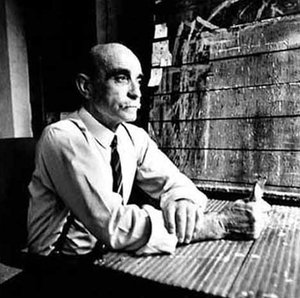
Biografie umělce
Zakladatel spatialismu, Lucio Fontana, je proslulý svými ikonickými prořezanými plátny. Objevte jeho revoluční umění ještě dnes.
§ 3Komentář
Spatial Concept: A Pioneering Exploration of Space and Infinity
Lucio Fontana’s “Spatial Concept,” created in 1957, stands as a cornerstone of Spatialism—a movement that fundamentally challenged the conventions of Western art after World War II. More than just a painting; it's an audacious gesture toward dismantling the perceived limitations of traditional representation and embracing the boundless potential of artistic expression.
- Artist: Lucio Fontana (1899-1968) – Born in Rosario, Argentina, Fontana embarked on a lifelong journey to redefine art’s relationship with space. His formative years instilled in him a sculptor's sensibility that would later inform his groundbreaking approach to painting.
- Historical Context: Emerging from the shadow of Futurism and influenced by Einstein’s theories of relativity, Spatialism sought to liberate art from the constraints of perspective and illusionistic depth. Fontana aimed to capture not what *appears* to be there but what *exists* beyond the surface – a concept mirroring the scientific advancements of his time.
The artwork itself is dominated by a large, roughly circular form rendered in shades of brown punctuated with numerous small dots. This seemingly simple composition belies its profound significance. Fontana’s deliberate use of tonal variations creates an illusion of depth and texture—particularly noticeable in the impasto technique applied to the central circle.
- Composition: The circle occupies a prominent position, slightly above the vertical center, establishing visual balance while immediately directing the viewer's gaze. Minimal surrounding space amplifies the impact of this solitary form.
- Color Palette: Employing a monochromatic palette—primarily browns and grey—the photograph underscores Fontana’s rejection of vibrant hues in favor of tonal gradations that convey mood and atmosphere.
Fontana's technique involved layering paint onto canvas with precision, creating visible ridges and textures that contribute to the artwork’s physicality. The dots scattered across the circle serve as visual disruptions—interpreted by many as representations of stars or punctures in reality – furthering Fontana’s exploration of spatial concepts.
- Technique: Fontana utilized impasto, applying thick layers of paint to achieve a tactile surface quality that embodies the movement and dynamism characteristic of Spatialism.
- Symbolism: The circle itself symbolizes wholeness, infinity, and potentially a gateway to another dimension—themes central to Fontana’s artistic vision and reflecting his fascination with cosmological ideas.
“Spatial Concept” transcends mere visual aesthetics; it embodies Fontana's intellectual conviction that art must engage with the universe beyond perception. As noted in MoMA’s gallery label, Fontana sought to “reach out into its surroundings,” mirroring the spirit of innovation prevalent during his era and cementing his legacy as a visionary artist who irrevocably altered the course of modern art.
Otázky a odpovědi
Jak výrazný je kontrast v díle „Spatial Concept“ od Lucio Fontana?
Úroveň kontrastu díla „Spatial Concept“ od Lucio Fontana je Serene.
V jakém věku vytvořil/a Lucio Fontana dílo „Spatial Concept"?
Lucio Fontana vytvořil/a dílo „Spatial Concept“ v возрасте 58 let. Umělec se narodil/a v 1899 a dílo je datováno na 1957.
Kde mohu vidět originál díla „Spatial Concept“ od Lucio Fontana?
Originál díla „Spatial Concept“ si můžete prohlédnout v instituci Boschi Di Stefano House Museum, Milán, Itálie.


 Přepnout na tisk


 U děl nebo reprodukcí, u nichž je jakákoliv strana větší než 105 cm (přibližně 41 palců), bude rám dodán jako sestava v rozloženém stavu. Tato metoda zajišťuje bezpečné doručení a chrání dílo před poškozením během přepravy.


