


 Náhled v interiéru
 Sdílet
 Sdílet
 Podrobnosti o díle
 Průvodce

 Stáhnout
 Podobné položky
 Rentgenové snímky
 Slideshow
 Otázky a odpovědi
 Statistiky
Composition

- 78.0 x 57.0 cm


 Zobrazit více
Získejte soubor připravený k tisku, který svou kvalitou výrazně převyšuje webový náhled. Každý prodávaný digitální obraz pochází z vysokorozlišeného originálu v naší databázi – obvykle o šířce 5 000 až 15 000 pixelů – díky čemuž můžete tisknout ve velkém formátu, provádět těsný střih nebo si s jistotou užít i ty nejjemnější detaily.
Žádný soubor neopustí naše studio bez úprav. Digitální expert kontroluje barvy v porovnání s původním malířským dílem a v případě potřeby je upravuje, poté pomocí profesionálních nástrojů pro retuš zvyšuje ostrost a detailnost — přičemž vždy zůstává věrný tahům štětcem a stylu umělce. Výsledkem je obraz, který vypadá jako malba, nikoliv jako naskenovaný snímek s filtrem.
Schvalování před dokončením: náš expert vám do 72 hodin zašle obraz e-mailem k revizi. Nejsste spokojeni? Můžete požádat o úpravy či opravy, nebo si můžete vyžádat vrácení peněz, pokud kvalita neodpovídá vašim očekáváním.
Tuto kvalitu využívají vydavatelství, designová studia, galerie i tiskárny.
Digitální obrazy
Stáhněte si soubor ve vysokém rozlišení pro osobní prohlížení, tisk nebo kreativní projekty. ( Přepnout na tisk Koupit ručně malovaný obraz)
Součást každé objednávky digitálního obrazu
Profesionální digitální doručení, zaručené
Když si vyberete AllPaintingsStore.com, nezískáváte pouze obrázek – získáváte digitální umělecké dílo s profesionálně vylepšenými detaily, zpracované s precizností a podpořené zárukou za spokojenost. Zde je vše, co vaše objednávka automaticky obsahuje:

Rychlé doručení e-mailem
Váš digitální obraz ve vysokém rozlišení vám bude zaslán e-mailem do 72 hodin od objednávky – připraven k okamžitému použití.

Digitální soubor s využitím AI
Vaše umělecké dílo je profesionálně optimalizováno pomocí pokročilých nástrojů umělé inteligence a manuální úpravy, což zajišťuje maximální úroveň detailu, ostrosti a přesnosti barev.

Doživotní bezplatné znovuodeslání digitálních obrazů
Soubor jste omylem smazali nebo ztratili? Žádný problém – kdykoliv vám ho znovu zašleme zcela zdarma.

Bez poplatků za dovoz – navždy
Užijte si své umělecké dílo okamžitě bez celních poplatků, daní nebo nákladů na dopravu – digitální stažení je vždy bez daňových povinností.

Záruka přesnosti barev
Díky profesionálním nástrojům a správě barev zajišťujeme, aby váš digitální obraz odrážel původní barvy co nejvěrněji.

100dená záruka spokojenosti
Pokud nebudete s digitálním obrázkem spokojeni, provedeme jeho revizi nebo vám vrátíme 100% platby do 100 dnů – bez jakýchkoliv dotazů.

100% záruka vrácení peněz
Nespokojeni? Získejte plnou náhradu peněz do 100 dnů od obdržení digitálního souboru – bez zbytečných dotazů.

Slevy při hromadných objednávkách
Koupě 3 obrazů ušetří 10% – Koupě 5 obrazů ušetří 15% – Koupě 10+ obrazů ušetří 20%. Ideální pro kreativní projekty, galerie a agentury.
A Vision of Turmoil: Decoding Chagall’s ‘Composition’
This striking lithograph, titled ‘Composition’, offers a powerful glimpse into Marc Chagall's exploration of complex themes – temptation, mortality, and the struggle against established order. Measuring 78 x 57 cm, this work is not simply an image; it’s a visual drama unfolding before the viewer’s eyes. While the exact date remains unknown, its stylistic elements place it within Chagall's period of experimentation with Expressionism and Surrealism, likely created during his mature artistic phase.Subject & Narrative
At first glance, ‘Composition’ appears chaotic, a swirling vortex of figures and symbols. However, a central narrative emerges upon closer inspection. A dominant figure, strongly suggestive of Lucifer or Satan, commands the scene. He clutches a scroll – perhaps representing forbidden knowledge or a decree of rebellion – his gaze piercing and unsettling. Below him lies a skeletal form, a stark reminder of death’s inevitability. The surrounding space is populated by diminutive figures caught in a state of unrest, alongside symbolic objects that amplify the sense of disorder and impending doom.Style & Technique
Chagall masterfully employs lithography to achieve a unique visual texture. The technique lends itself to the work’s grainy appearance, with visible lines and marks contributing to its raw emotional intensity. The style is characterized by distorted forms, exaggerated features, and a dreamlike atmosphere. Diagonal lines create dynamic energy, while angular shapes contribute to an overall feeling of unease. This deliberate distortion of perspective flattens the composition, enhancing the sense of claustrophobia and psychological turmoil. The use of dramatic lighting – strong shadows and selective highlights – further intensifies the emotional impact.Symbolism & Interpretation
‘Composition’ is rich in symbolism. Beyond the obvious representation of Lucifer and death, several elements demand attention:- The Skull: A universal symbol of mortality and the fleeting nature of life.
- Hourglasses: Representing the relentless passage of time and the urgency of existence.
- Crescent Moon & Stylized Sun: These celestial bodies often symbolize duality – light and darkness, good and evil – adding layers to the work’s thematic complexity.
- Diminutive Figures: Suggesting chaos, corruption, and the vulnerability of humanity in the face of powerful forces.
Historical Context & Chagall’s Vision
Born into a Jewish family in Belarus, Marc Chagall experienced a life shaped by cultural boundaries and historical upheaval. His art often reflects these experiences, blending Eastern European folklore with modernist styles like Cubism and Symbolism. Chagall's unique ability to synthesize diverse artistic influences allowed him to create a deeply personal visual language. While not explicitly religious in the traditional sense, his work frequently grapples with spiritual themes and explores the human condition. ‘Composition’ can be seen as an expression of these concerns – a powerful meditation on sin, temptation, and the eternal struggle between good and evil.Emotional Impact & Aesthetic Appeal
‘Composition’ is not a comforting image. It evokes feelings of anxiety, unease, and perhaps even dread. However, its power lies precisely in this emotional honesty. The work's dramatic composition, masterful technique, and rich symbolism create a lasting impression on the viewer. For collectors and interior designers, ‘Composition’ offers a bold statement piece – an artwork that sparks conversation and invites contemplation. Its dark palette and dynamic energy would complement modern or contemporary spaces, adding depth and intrigue to any collection.Otázky a odpovědi
Který umělec a jaký styl stojí za dílem "Composition"?
Dílo „Composition“ vytvořil/a Marc Chagall v rámci směru Expressionism/Surrealism.
Jak se v díle "Composition" propojují médium a pohyb?
„Composition“ je dílo v technice Lithograph v rámci stylu Expressionism/Surrealism.
Jakou barvu v kompozici díla „Composition“ od Marc Chagall dominuje?
Dominantní barvou díla „Composition“ od Marc Chagall je Gray (#95837c).
Podobná díla


Biografie umělce
Rané roky, rodina a vzdělávání
Marc Chagall se na svět dostal 7. července 1887 ve Vitebsku v Ruském impériu jako Moishe Segal. Jako první z devíti dětí v prosté židovské rodině byl formován rytmem práce a drobnobudovního obchodu. Jeho otec, Khatskel Segal, pracoval jako zpracovatel sledí v obrovském skladu, zatímco jeho matka, Feïga-Ita Tchernina, vedla malý potravinářský obchod. Tato raná léta jsou hluboce zakořeněna v unikátní atmosféře provinčního městečka, kde hranice jeho světa definovaly potřeby velké domácnosti a tradice jeho komunity.
První kroky k vzdělání podnikl uvnitř zdí hederu, tradiční židovské základní školy. Zde bylo ústředním bodem náboženské poučování a základních textů, které tvořily základ jeho výchovy. K patnácti letům se však obzor jeho poznání začal přesouvat k světskému vzdělávání. Přihlásil se do oficiální střední školy ve Vitebsku, aby získal ruskské vzdělání, což byl krok, který znamenal odklon od přísně náboženské sféry jeho dětství. Tato dvojí existence – rozprostřená mezi posvátnými tradicemi hederu a světskými požadavky státní školy – vytvořila napětí, které zásadně ovlivnilo jeho raný vývoj.
Umělecký impuls našel svůj první formální vyjádřivý prostor právě ve Vitebsku. Chagall prošel svým prvním odborným výcvikem v místní umělecké škole vedené Iourium Penem. Právě zde se jeho surový instinkt pro vizuální vyjádření začal měnit v disciplinovanou praxi. Od strukturovaných lekcí ve třídě se vydal cestou hlubšího vnímání samotného aktu vidění, čímž připravil půdu pro život, který strávil překladem vzpomínek do podoby uměleckých forem.
Formativní léta v Petrogradu
Přechod z provinčního klidu Vitebsku do imperiálního měřítka Petrogradu je doprovázen neustálým bojem. Mezi lety 1907 a 1909 nabízí hlavní město jen málo pohodlí. Chudoba je jeho neustálou společnicí; přicházejí chvíle tak krutého hladu, že fyzické vyčerpání se stává děsivou realitou. Aby přežil, vychází do ulic a vydělává si skromné prostředky kreslením obchodních štítků. Tyto komerční úkoly mu poskytují potřebné ruble k udržení existence ve městě, zatímco se snaží zvládat složitosti života židovského studenta v obrovské, neustále se měnící říši.
Akademické ambice jsou neúnavné. Zapisuje se do několika akademií a hledá formální strukturu pro svůj rostoucí vizuální jazyk. Atmosféra metropole je prosycena vlivem avantgardy, což je napětí, které ho odvádí od klasického výcviku. Znalosti získává ve studiu Léona Baksta, scenografa Ballets Russes, kde se teatrálnost divadelního návrhu začíná prolévat do jeho vnímání prostoru a formy. Toto období je střetem nouze a ambicí, časem, kdy kreslí pro přežití, a zároveň pohlcuje radikální proměny probíhající v ruské umělecké scéně.
Parížské roky a vliv avantgardy
Roky 1910 či 1911 přinášejí Marc Chagall příchod do Paříže, což představuje náhlý a radikální posun od provinčních omezení Ruského impéria. Město mu předstírá senzorický šok; v uličkách Montparnasse nachází světlo, barvu a skutečnou svobodu. Už to není svět rybářského obchodníka ani tradiční školy cheder; je to krajina radikálních možností. Usadí se v La Ruche, slavném rezidenčním sídlech umělců, kde je vzduch nasycen přítomností nové avantgardy. Sdílí tento prostor s postavami jako jsou Amedeo Modigliani a Fernand Léger, kteří právě tehdy přetvářejí hranice moderního vyjádření. Vliv této éry je pro něj nevyhnutelný, přesto zůstává výjimečným outsiderem, který pohlcuje objevy fauvismu i kubismu, ale nikdy nepodléhá jejich pravidlům, nýbrž si zachovává svou vlastní, hluboce vnitřní logiku.
Díla vzniklá v tomto období začínají odrážet odklon od doslovné reprezentace. Umělec se vydává cestou stylu, který upřednostňuje emocionální a poetické asociace před přísnými pravidly obrazové logiky. Barvy se prohlubují a září, poháněny expozicí pařížské scény. Marc Chagall se pohybuje v napětí mezi formálním vzděláním své minulosti a experimentální svobodou přítomnosti. Toto období intenzivního tvůrčího tření trvá až do politických otřesů války, které ho vtáhnou zpět na východ. Teprve v roce 1923 se vrací do Paříže se svou rodinou, aby znovu ugruntoval svou přítomnost ve městě, které mu poprvé otevřelo brány jeho vlastního vizuálního jazyka.
- The Betrothed and Eiffel Tower (1913)
- Hommage à Apollinaire (1912-1913)
Ruská éra a revoluce
Revoluce vtáhne Marc Chagall zpět do Vitebsku. On však není pouhým pozorovatelem otřesů, které zasahují zemi; on se snaží aktivně utvářet její kulturní krajinu. Přijímá roli komisaře pro výtvarná umění v Vitebsku a nastupuje do čela místní umělecké školy. Jeho vize je postavena na komunitě a vzdělávání, avšak politická atmosféra se mu pod nohama neustále mění. Nástup suprematismu vytváří hluboký rozpor. Postavy jako Malevič či Lissitzky prosazují radikální, neobjektivní abstrakci, která ostře koliduje s Marc Chagallovým spíše lyrickým a figurativním přístupem. Toto napětí se stává neudržitelným. Je nucen opustit své postavy a jeho sen o lokálním uměleckém renesanční období se tříští o neústupné požadavky nového režimu.
K roku 1920 se středisko jeho zájmů přesouvá do Moskvy. Pracuje na dekoraci židovského divadla, což je projekt, který zachycuje průsečík jeho osobní identity a veřejného pódia. Jeho linie jsou sebevědomé, barvy silné i bledé, a to i ve chvíli, kdy se svět kolem něj rozpadá na kusy. Prochází obdobím intenzivní tvůrčí činnosti i hlubokého materiálního neklidu, pohybem mezi vzpomínkami na štetl a požadavky měnícího se státu. Celá tato éra je definována právě tímto třením: pokusem vybudovat kulturní domov v době, kdy se samotné základy jeho světa přepisují.
- Nad městem (1914–1918)
- Zjevení (cca 1917–18)
Život ve Spojených státech
Vyvrcholení druhé světové války vynutilo náhlý geografický posun. V roce 1941 Marc Chagall a jeho rodina hledají útočiště ve Spojených státech a prchají před nestabilitou okupované Francie. Usadí se v New Yorku a jeho okolí, což je období rezidence, které trvá až do roku 1948. Toto město se stává kulisou hlubokého emocionálního otřesu. Vprostřed úzkostí válečných let zachycuje jeho štětec napětí světa v neustálém pohybu. Jeho dílo odráží nejistotu tehdejší éry a překládá osobní i globální nepokoje do vizuálního jazyka utrpení a naděje.
Během těchto sedmi let nachází umělec způsob, jak se zapojit do rozsáhlých institucionálních projektů. Přijímá významné zakázky pro sídlo Spojených národů, čímž překládá svou poetickou vizi do architektonické podstaty globální instituce. Toto období v Americe představuje významnou kapitolu experimentování a přežití, která spojuje jeho evropské kořeny s novou, intenzivní realitou. Zůstává mu člověkem mezi světy, jehož srdce stále táhne k Francii, i když se musí vyrovnávat s komplikacemi svého amerického exilu.
- White Crucifixion (1938)
Technika a umělecký styl
Logika ustupuje emocím. Marc Chagall odmítá rigidní pravidla obrazové logiky a místo toho se rozhoduje pro skládání obrazů prostřednictvím poetických asociací. Jeho plátna fungují na principu snění. Postavy se vznášejí vzduchem a vzdorují gravitaci, zatímco barvy pulzují s neetnografickou intenzitou. Tento přístup mu umožňuje zachytit podstatu citu, nikoliv doslovný vzhled světa. Překračuje hranice pouhé imitace a využívá odvážnou paletu k tomu, aby přetvořil vzpomínky do vizuálního jazyka.
Jeho estetika je střetem vlivů. Nasává fragmentované struktury kubismu i intenzivní barvy fauvismu, přičemž tato avantgardní hnutí filtruje skrze hluboce osobní hledisko. Výsledkem je styl, který překlenuje expresionismus a abstrakci. Proplétá to, co je posvátné, s tím, co je všední, a naplňuje své scény symbolickými a surrealistickými obrazy. Židovské pohádky a tiché, každodenní detaily života v šetlu se stávají stavebními kameny jeho soukromé mytologie. To, co je nám známé, se mění v fantastické.
Obrazná náplň jeho děl se často točí kolem opakujících se motivů: letících milenců, houslarů a mohutných květinových buketů. Tyto prvky nejsou pouhými dekoracemi, ale symboly duchovní a emocionální krajiny. V dílech jako Milenci (1929) vytváří pocit bezváhnosti a použití intenzivních barev prostor, kde již neplatí fyzikální zákony světa. Jeho tvorba zůstává neustálým vyjednáváním mezi hmatatelnou realitou jeho výchovy a nekonečnými možnostmi představivosti.
- Já a vesnice (1911)
- Zelený houslar (1924)
- Bílé ukřižování (1938)
Mezenáši, dílna a zakázky
Polovinou dvacátých let se Marc Chagall nachází v Paříži, kde se pohybuje v nepostradatelných kruzích vlivného uměleckého trhu. Proniká do blízkosti Ambroise Vollarda, obchodníka, jehož vliv zásadně ovlivnil osudy mnoha avantgardních umělců. Vollard si nechává od Chagalla vypracovat sérii gravírování a svěřuje mu ilustrování děl Nikolaje Gogola, konkrétně díla Mrtvé duše. Toto období značí posun směrem k preciznosti grafiky, vzdalující se od plynulé spontaneity jeho dřívějších pláten.
V roce 1931 se střet písob se středním východem. Starosta Tel Avivu posílá Chagallovi pozvání k cestě do Palestiny. Cíl je ambiciózní: založení Židovského uměleckého muzea. Tato éra prohlubuje jeho vztah k náboženskému a kulturnímu symbolismu, což je téma, které bude přetrvávat i v jeho pozdějších, rozsáhlých architektonických dílech. Jeho schopnost přetavit osobní i komunitní paměť do fyzického prostoru se stává definujícím aspektem jeho profesního díla.
Jak jeho reputace roste, rozsah jeho práce se rozšiřuje od intimních ilustrací až po monumentální díla. Přechází do sféry světla a architektury, kde navrhuje vitráže pro katedrálu v Metz a budovu OSN v New Yorku. Tato díla vyžadují naprostou mistrovství v tom, jak barva interaguje se slunečním světlem. V roce 1964 dosahuje vrcholu veřejného uznání díky zakázce na strop Pařížské opery – to je monumentální úkol, který přenáší jeho snovou obrazovnost do jednoho z nejvýznamnějších kulturních prostorů v Evropě.
Kde dnes spatřit jeho díla
Dědictví jeho vizionářské tvorby zůstává pevně zakotveno v několika klíčových institucích po celém světě. Ve francouzském Nice sídlí Musée National Marc Chagall, které pohospodářuje rozsáhlou sbírkou jeho děl a uchovává samotné jádro jeho tvůrčí činnosti. Toto muzeum nabízí koncentrovaný pohled na obrazovou řeč, která definovala jeho dlouhou a bohatou kariéru. Mezitím Státní ruské muzeum v Petrogradu v Rusku udržuje významnou reprezentaci jeho umění a uchovává díla, která nás odnášejí k jeho raným letům a době v rámci Ruského impéria.
Dosah jeho tvorby sahá přes Atlantik až do Spojených států. Muzeum moderního umění (MoMA) v New Yorku uchovává díla, která odrážejí jeho komplexní vztah s tímto městem během jeho let exilu. V americkém Středozápadě pak Umělecký institut v Chicagu prezentuje jeho umění, čímž zajišťuje jeho přítomnost v nejvýznamnějších světových sbírkách. Tato místa představují hlavní fyzické body pro každého, kdo hledá setkání s jeho unikátním způsobem práce s barvou a formou.
- I a vesnice (1911)
- Svatební obřad (1944)
- Bílé ukřižování (1938)
- Milenci (1929)
- Cirkus (1964)
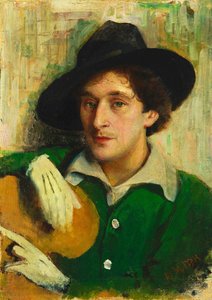
Marc Chagall
1887 - 1985 , Bělorusko
Stručné informace
- Artistic Movement Or Style: Expresionismus, kubismus, fauvismus, surrealismus
- Artists Or Movements Influenced By This Artist: ['Surrealisté']
- Artists Who Influenced This Artist: ['Léon Bakst']
- Date Of Birth: 1887
- Date Of Death: 1985
- Full Name: Moishe Shagal
- Nationality: rusko-francouzská
- Notable Artworks:
- Já a vesnice
- Narozeniny
- Svatebna
- Bílé ukřižování
- Nad Vitebskem
- Place Of Birth: Liovana, Bělorusko