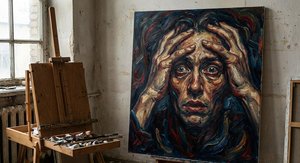
1914. Acrylic.

§ 1Katalogová data


Toto umělecké dílo je chráněno autorským právem
Umělecké dílo zobrazené na této stránce je chráněno autorským zákonem, což znamená, že nemůžeme legálně vytvářet ani prodávat jeho identickou reprodukci. Tato ochrana je vymáhána na základě mezinárodních dohod, jako například Berberská úmluva a národními zákony, včetně těch stanovených v Americký autorský zákon – Díl 17. Všechna práva vyhrazena.
Jako etická a právní alternativa nabízíme vlastní, ručně malovaná umělecká díla inspirovaná originálem. Naši zdatní a profesionální umělci si pečlivě studují styl, náladu a uměleckou podstatu originálu, aby vytvořili nové, jedinečné dílo, které vyvolává stejný pocit – přičemž zůstává samostatným originálním tvůrčím dílem.
Tato metoda je plně v souladu s autorským právem, protože nezahrnuje kopírování ani duplikování chráněného díla. Jde o kreativní reinterpretaci – nový obraz, který je inspirován originálem, ale není s ním identický.
 Více informací
§ 2Abstraktní
Popis sbírného předmětu
Marc Chagall’s mesmerizing ‘David in profile’ captures a dreamlike musical scene—a man playing the zither amidst fellow musicians and vibrant colors—reflecting his Vitebsk heritage and pioneering Expressionist style. Explore this iconic masterpiece and bring its enchanting vision home.
Biografie umělce
Poznejte klidnou krásu obrazu „Ležící básník“ Marca Chagalla – ikonického díla z roku 1915 kombinujícího kubismus a symbolismus. Objevte jeho tajemství a emoční hloubku!
§ 3Komentář
A Symphony of Color and Memory: Exploring Marc Chagall’s “David in Profile”
The painting "David in Profile" by Marc Chagall, completed in 1914, isn't simply a depiction of a musician; it’s an embodiment of Chagall’s distinctive artistic philosophy—a profound meditation on Jewish identity and the enduring influence of folklore. Captured in vibrant hues against a backdrop reminiscent of Vitebsk, Belarus, this artwork speaks volumes about Chagall’s formative years and his unwavering commitment to translating dreams into tangible visual form.- Subject Matter: The central figure is a man seated comfortably, holding a zither—a traditional Jewish instrument—suggesting both musical artistry and contemplation. Surrounding him are other musicians and individuals engaged in social interaction, creating an atmosphere of communal celebration.
- Style: Chagall’s style is undeniably Surrealist, yet it transcends categorization. He employs flattened perspectives, distorted figures, and fantastical imagery to convey emotion rather than precise representation. This approach aligns perfectly with the artist's desire to capture not just what he sees but what he *feels*.
- Technique: Chagall predominantly utilized oil paints on canvas, applying them in thick impasto—a technique characterized by textured brushstrokes—which lends a palpable physicality to the artwork. The bold colors are applied with expressive confidence, creating an illusion of movement and capturing the luminous quality of Vitebsk’s landscapes.
Historical Context: Vitebsk and the Artistic Avant-Garde
Vitebsk in 1914 was a crossroads of cultures—a city grappling with modernization while fiercely preserving its traditions. Chagall's upbringing within Vitebsk’s Hasidic Jewish community profoundly shaped his artistic vision. The painting reflects this duality, mirroring the tensions between faith and reason that permeated European intellectual life at the time. Simultaneously, it aligns with the burgeoning Surrealist movement, spearheaded by André Breton, which sought to liberate art from rational constraints and tap into the subconscious mind. Chagall’s engagement with Vitebsk's cultural landscape served as a catalyst for his artistic experimentation.Symbolism: Flight, Harmony, and Remembrance
The painting overflows with symbolic imagery. The figures appear to float or glide effortlessly, representing liberation from earthly concerns and embodying the artist’s belief in spiritual transcendence—a recurring motif throughout Chagall's oeuvre. The zither itself symbolizes Jewish musical heritage and serves as a conduit for conveying emotion. Furthermore, the luminous colors of Vitebsk – predominantly greens and yellows – evoke memories of Chagall’s childhood home and symbolize hope and renewal.Emotional Impact: A Window into Chagall’s Soul
“David in Profile” isn't merely aesthetically pleasing; it possesses a deep emotional resonance. It captures the spirit of Vitebsk—a place brimming with life, faith, and artistic fervor—and invites viewers to contemplate themes of identity, memory, and the transformative power of imagination. Chagall’s masterful use of color and technique creates an immersive experience that transports us back to his formative years, reminding us that art can serve as a powerful vehicle for conveying profound human emotions. It's a testament to Chagall's ability to distill complex ideas into deceptively simple visual forms—a captivating glimpse into the artist’s inner world.Otázky a odpovědi
Patří „David in profile“ od Marc Chagall do volného tisku?
Stav autorských práv pro dílo „David in profile“ od Marc Chagall: toto dílo spadá do stále chráněno autorským právem. To určuje, zda lze volně vytvářet reprodukce tohoto obrazu.
Jakým způsobem se styl díla "David in profile" vztahuje k době svého tvůrce?
Dílo „David in profile“ od Marc Chagall patří k享有 směrům Expressionist Surrealism, které charakterizovaly éru Modernismus svého autora.
Jakou technikou je vytvořeno dílo "David in profile"?
Technikou díla „David in profile“ od Marc Chagall je Acrylic. Reprodukce mají za cíl věrně zachytit vzhled této techniky.



 Přepnout na tisk


 U děl nebo reprodukcí, u nichž je jakákoliv strana větší než 105 cm (přibližně 41 palců), bude rám dodán jako sestava v rozloženém stavu. Tato metoda zajišťuje bezpečné doručení a chrání dílo před poškozením během přepravy.