Náhled
 Sdílet
 Sdílet
 Podrobnosti o díle

 Stáhnout
 Podobné položky
 Rentgenové snímky
 Slideshow
Equilibrists
 Acrylic On Canvas
- WallArt
- Surrealism
 1984
1984 83.0 x 60.0 cm
 Zobrazit více
Ručně malovaná olejová reprodukce
Ručně malovaná olejná barva na plátně ve vašem zvoleném rozměru i s rámem, vyrobená našimi umělci na zakázku. ( Koupit tisk Koupit obrázek)




P118B $10

P118H $10

P118W $10

P438Z $10

P508JH $12

P508YH $12

P805H $10

P805Z $10

P919BZ $10

P919G $10

P919XJ $10

P959ZH $10

P968JZ $12

W106C $8

W218G $10

W218JH $8

W218Y $10

W307PJ $10

W316G $10

W316PJ $8

W316Y $10

W398PJ $8

W4111J $10

W500HY $15

W500JH $15

W692G $12

W849H $8

W940BG $15

W953PJ $8




Vyberte si z našich přednastavených velikostí, které odpovídají původním proporcím díla.

Můžete zadat vlastní rozměry pro konkrétní rám nebo prostor. Pokud se vámi vybraná velikost neshoduje s proporcemi původního obrazu, dílo buď ořízneme, nebo jej doplníme ručně malovanými prvky. Před zahájením výroby vám bude zaslán digitální náhled ke schválení.
Upozorňujeme, že náhled na obrazovce neodpovídá skutečnému ořezu ani rozšíření. Pouze digitální náhled přesně zobrazí finální kompozici.
Ačkoliv je možné zvolit vlastní velikost, pro zachování původních proporcí doporučujeme vybrat rozměr z předdefinovaného seznamu.
Po přijetí objednávky vám tým AllPaintingsStore.com zašle e-mail s pokyny a poskytne náhledovou verzi.
Celosvětová doprava () za 3–4 týdny namísto standardních 5 týdnů. (12 srpen). Bez kompromisů v kvalitě.

Zdarma celosvětová expresní doprava

Vysoce kvalitní lněné plátno

Kompletní přepravní pojištění

Záruka vrácení celního poplatku

Záruka přesného barevného shodu

60denní lhůta pro vrácení zboží (pouze při vadách výroby)

100% garance vrácení peněz

Sleva při hromadné objednávce
 Skleněná varianta je dostupná pouze u rozměrů menších než 110 cm

Equilibrists
Technika reprodukce
Rozměry reprodukce
-


Celková cena za výběr
$ 258
Popis díla
A Surreal Dance of Balance: Marc Chagall’s Equilibrists
Marc Chagall's “Equilibrists,” completed in 1984, stands as a testament to the artist’s enduring fascination with dreams and folklore—a visual distillation of his lifelong exploration into the subconscious. Painted during a period marked by significant artistic experimentation and personal reflection, this piece exemplifies Chagall’s signature style: Surrealism blended seamlessly with genre painting.
- Subject Matter: The artwork depicts a vibrant circus scene brimming with performers engaged in acrobatic feats. At its core lies an arresting tableau featuring two men balanced precariously on each other's shoulders, embodying the paradoxical notion of stability achieved through precariousness—a motif central to Chagall’s artistic vision.
- Style: Surrealism dominates “Equilibrists,” characterized by illogical juxtapositions and fantastical imagery. Chagall abandons realistic representation in favor of evocative symbolism and dreamlike distortions, inviting viewers into a realm unbound by conventional logic.
- Technique: Executed as a lithograph on paper, the artwork showcases Chagall’s masterful command of printmaking techniques. The meticulous detail achieved through etching and printing ensures that every nuance of color and texture is faithfully reproduced in high-resolution reproductions.
Historical Context & Influences
Created during Chagall's prolific output, “Equilibrists” reflects the broader artistic landscape of the mid-20th century. The painting draws inspiration from Surrealist movements spearheaded by artists like René Magritte and Salvador Dalí—artists who similarly sought to liberate art from the constraints of rational thought.
Furthermore, Chagall’s formative years in Vitebsk profoundly shaped his artistic sensibility. The town's multicultural heritage—the coexistence of Orthodox churches and Jewish marketplaces—fueled a distinctive aesthetic that prioritized memory and emotion over strict adherence to academic conventions.
Symbolism & Emotional Resonance
The central figures – the equilibrists – serve as potent symbols representing balance, harmony, and vulnerability. Their precarious position underscores Chagall’s preoccupation with themes of fragility and resilience—a recurring motif throughout his oeuvre. The surrounding spectators contribute to the artwork's atmosphere of spectacle and wonder, mirroring Chagall’s belief in art’s capacity to transport viewers beyond the everyday.
The subdued color palette – punctuated by splashes of vibrant hues – enhances the emotional impact of “Equilibrists.” These colors aren’t merely decorative; they convey a sense of nostalgia and longing—reflecting Chagall's own recollections of Vitebsk and his profound connection to Jewish tradition.
Reproductions & Artistic Legacy
"Equilibrists" continues to captivate audiences worldwide, securing its place as one of Chagall’s most iconic compositions. AllPaintingsStore offers exceptional reproductions crafted with archival inks on premium canvas or paper—allowing collectors and enthusiasts alike to experience the beauty and depth of this masterpiece firsthand.
Podobná umělecká díla


Biografie umělce
A Life Painted in Dreams: The World of Marc Chagall
Marc Chagall, born Moishe Shagal in 1887 in the small Belarussian town of Liozna near Vitebsk, wasn’t merely a painter; he was a poet of color, a weaver of dreams, and a chronicler of memory. His life, spanning nearly a century, mirrored the tumultuous currents of the 20th century, yet his art remained steadfastly rooted in a deeply personal vision—one infused with the folklore of his Hasidic Jewish upbringing and an unwavering belief in the power of imagination. Vitebsk itself was more than just a birthplace; it became the emotional core of his artistic universe, a recurring motif populated by flying figures, whimsical animals, and the vibrant hues of remembered landscapes. The town’s unique blend of cultures—Russian Orthodox churches alongside bustling Jewish marketplaces—forged an aesthetic sensibility that would defy easy categorization throughout his long career. Though he sought formal training first with a local sign painter and later in St. Petersburg under Léon Bakst, and then in Paris at the Académie de la Grande Chaumière, Chagall never fully embraced any single artistic movement. He absorbed elements of Cubism, Symbolism, and Fauvism, but always filtered them through his own intensely personal lens, creating a style that was uniquely, unmistakably Chagall.Early Years and Artistic Beginnings
Chagall’s formative years were marked by hardship and displacement. Born into a Jewish family in Vitebsk, he experienced the trauma of pogroms—violent anti-Jewish riots—which instilled in him a profound awareness of persecution and loss. Despite these challenges, Chagall possessed an innate talent for drawing and painting from a young age. He initially studied at Vitebsk Art School, where he honed his skills under Bakst’s guidance, experimenting with theatrical design alongside visual art. This early exposure to the stage would profoundly influence his later work, particularly his use of stylized figures and dramatic compositions. His artistic explorations continued in St. Petersburg, where he developed a distinctive style characterized by bold colors and expressive brushstrokes—a stylistic approach that foreshadowed his groundbreaking achievements to come.The Symbolist Influence and Early Paintings
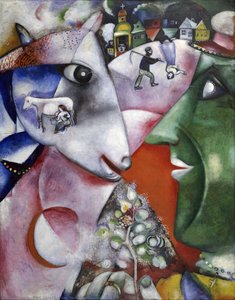
Chagall’s artistic development was significantly shaped by the Symbolist movement, which championed emotion and imagination over realistic representation. Artists like Gustave Moreau and Edvard Munch served as important inspirations, encouraging him to delve into psychological landscapes and explore themes of spirituality and mythology. His early paintings—such as *I and the Village* (1911)—demonstrate this influence vividly. The village isn’t rendered realistically but as a fragmented collection of recollections, imbued with symbolic meaning. Recurring motifs like birds, apples, and windows reflect Chagall's preoccupation with themes of flight, fertility, and transcendence—concepts central to Jewish mysticism and folklore. These images are not merely decorative; they convey profound emotional resonance, capturing the essence of memory and experience.Cubism and Surrealism: Bridging Formal Movements
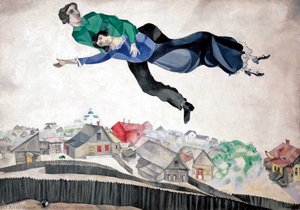
While Chagall resisted categorization into any single artistic movement, he skillfully incorporated elements of Cubism and Surrealism into his oeuvre. He embraced Picasso’s pioneering approach to fractured perspectives and geometric abstraction, adapting it to his own expressive style. Simultaneously, he explored the dreamlike imagery and irrational juxtapositions characteristic of Surrealist art—influenced by artists like Dalí and Magritte. This fusion of styles resulted in canvases that defy conventional logic while retaining a palpable sense of emotional intensity. Works like *Over Vitebsk* (1920-1922) exemplify this synthesis, presenting a fantastical depiction of his hometown bathed in luminous colors—a testament to Chagall’s ability to transform personal experience into universal themes.Mature Years and International Recognition
The 1930s witnessed Chagall's ascent to international fame. He established himself as a celebrated artist in Paris, where he continued to produce monumental paintings that captivated audiences worldwide. The outbreak of World War II forced him to flee occupied France for the United States, seeking refuge in New York City—a period marked by profound emotional upheaval and artistic experimentation. During his time in America, Chagall created some of his most iconic works, including *White Crucifixion* (1938), a haunting meditation on suffering and faith that powerfully captured the anxieties of the era. He returned to France after the war, receiving numerous prestigious commissions—including the ceiling of the Paris Opera—and cementing his legacy as one of the greatest artists of the 20th century. His stained glass windows for Jerusalem’s Hadassah Hebrew University Medical Center synagogue stand as a testament to his enduring vision and artistic prowess. Chagall's influence on subsequent generations of artists is undeniable; he bridged the gap between European modernism and Jewish cultural identity, becoming known as “the quintessential Jewish artist of the twentieth century.” His ability to synthesize personal experience, folklore, and universal themes continues to resonate with audiences worldwide. He left behind a body of work that is both deeply personal and universally accessible, inviting viewers to lose themselves in a world painted with dreams and illuminated by hope.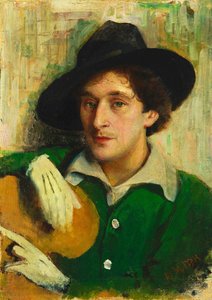
Marc Chagall
1887 - 1985 , Belorusko
Rychlé fakta
- Artistic Movement Or Style: Modernismus, Kubismus
- Artists Or Movements Influenced By This Artist:
- Surrealismus
- Moderní umělci
- Artists Who Influenced This Artist:
- Bakst
- Delaunay
- Borovikovsky
- Date Of Birth: 6 července 1887
- Date Of Death: 28. března 1985
- Full Name: Marc Chagall
- Nationality: Rusko (nyní Bělorus)
- Notable Artworks:
- I a vesnice
- Nad Vitebskem
- Bílá křížová cesta
- Place Of Birth: Liozna, Belarus
Související články
Marc Chagall: Top 25 děl umělce a inspirace pro váš domov | AllPaintingsStore.cz
Prozkoumejte 25 nejlepších děl Marca Chagalla – snové krajiny, barevné obrazy a židovská témata. Objevte příběhy za ikonickými díly expresionismu a surrealismu. Reprodukce obrazů v muzeální kvalitě na AllPaintingsStore.com.

10 legendárních litografií, které změnily umění navždy | AllPaintingsStore.cz
Objevte 10 legendárních litografií od Toulouse-Lautreca, Muncha a Picassa! Ponořte se do historie umění s AllPaintingsStore.cz a zkrášlete svůj domov reprodukcemi nejvýznamnějších děl. Prozkoumejte celou kolekci online.
René Magritte: Top 25 děl mistra surrealismu pro váš domov | AllPaintingsStore.cz
Prozkoumejte 25 ikonických děl René Magritte, mistra surrealismu. Objevte příběhy za slavnými obrazy jako 'Son of Man' a inspirujte se pro váš interiér s reprodukcemi nejvyšší kvality na AllPaintingsStore.cz

Harmonie barev: Top 10 uměleckých děl s dokonalou intenzitou
Objevte 10 ikonických uměleckých děl s dokonalou barevnou harmonií! Prozkoumejte příběhy Van Gogha, Moneta a dalších mistrů. Reprodukce obrazů nejvyšší kvality pro váš interiér na AllPaintingsStore.com – inspirace a luxusní dekorace online.

Top 10 děl německého expresionismu: Umění plné emocí pro váš domov | AllPaintingsStore
Prozkoumejte 10 ikonických děl německého expresionismu od Muncha, Kirchnera a dalších. Objevte příběhy za obrazy plnými emocí a výrazných barev. Reprodukce umění nejvyšší kvality na AllPaintingsStore.com – inspirace pro váš interiér!