


 Náhled v interiéru
 Sdílet
 Sdílet
 Podrobnosti o díle
 Průvodce

 Stáhnout
 Podobné položky
 Rentgenové snímky
 Slideshow
 Otázky a odpovědi
 Statistiky
Ten Commandements

- 31.0 x 26.0 cm


 Zobrazit více
Umělecké dílo zobrazené na této stránce je chráněno autorským zákonem, což znamená, že nemůžeme legálně vytvářet ani prodávat jeho identickou reprodukci. Tato ochrana je vymáhána na základě mezinárodních dohod, jako například Berberská úmluva a národními zákony, včetně těch stanovených v Americký autorský zákon – Díl 17. Všechna práva vyhrazena.
Tato metoda je plně v souladu s autorským právem, protože nezahrnuje kopírování ani duplikování chráněného díla. Jde o kreativní reinterpretaci – nový obraz, který je inspirován originálem, ale není s ním identický.
Giclée / Umělecký tisk
Giclée nebo plátěný tisk muzeální kvality s rychlou výrobou a širokou nabídkou povrchových úprav. ( Koupit ručně malovaný obraz Přepnout na digitální obraz)




P118B Kč10

P118H Kč10

P118W Kč10

P438Z Kč10

P508JH Kč12

P508YH Kč12

P805H Kč10

P805Z Kč10

P919BZ Kč10

P919G Kč10

P919XJ Kč10

P959ZH Kč10

P968JZ Kč12

W106C Kč8

W218G Kč10

W218JH Kč8

W218Y Kč10

W307PJ Kč10

W316G Kč10

W316PJ Kč8

W316Y Kč10

W398PJ Kč8

W4111J Kč10

W500HY Kč15

W500JH Kč15

W692G Kč12

W849H Kč8

W940BG Kč15

W953PJ Kč8




Vyberte si z našich přednastavených velikostí, které odpovídají původním proporcím díla.

Zadejte šířku a výšku, které potřebujete pro váš rám nebo stěnu. Tisk lze pouze oříznout, nikdy však nelze zvětšit obraz nad jeho původní rozměr, proto při výběru jiného formátu dochází ke ztrátě části obrazu. Před samotným tiskem vám zašleme digitální náhled k schválení. Obraz zobrazený na této stránce nenabízí skutečný výřez — ten uvidíte pouze v náhledu.
Celosvětové doručení () do 2 týdnů namísto standardních 4/5 týdnů. (14 listopad)

Zdarma celosvětová expresní doprava

Vysoce kvalitní lněné plátno

Kompletní pojištění přepravy

Záruka vrácení celního poplatku

Záruka věrného barevného souladu

100dení lhůta pro vrácení zboží (pouze při vadách výroby)

100% záruka vrácení peněz

Sleva při více objednávkách
 Skleněná varianta je dostupná pouze u rozměrů menších než 110 cm

Ten Commandements
Giclée / Umělecký tisk
Rozměry reprodukce
-


Celková cena za vybrané možnosti reprodukcí
Kč 1407
Marc Chagall's 'Ten Commandements': A Lithographic Echo of Faith and Memory
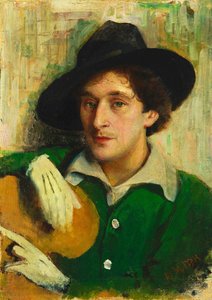
Marc Chagall’s 1966 lithograph, “Ten Commandements,” is more than just a depiction of biblical narrative; it’s a profound meditation on faith, memory, and the enduring power of childhood dreams. Executed in a style that leans heavily into naive or primitivist aesthetics – a hallmark of Chagall's later work – this piece invites viewers to step into a world where reality blends seamlessly with fantastical imagery. The image itself presents a solitary figure, a man draped in a vibrant red robe, holding two luminous white objects within his hands. His gaze is fixed upon them with an intensity that suggests both reverence and childlike wonder. This isn't a formal, academic rendering of the Ten Commandments; rather, it’s a deeply personal interpretation filtered through Chagall’s unique artistic lens.
A Return to Vitebsk: The Roots of Imagination
Born Moishe Shagal in 1887 in Liozna, Belarus – a town that would forever remain etched within his artistic consciousness – Chagall's early life profoundly shaped his oeuvre. Liozna, with its distinctive blend of Russian Orthodox and Jewish cultural influences, provided the fertile ground for his imaginative world. This lithograph powerfully evokes this formative environment; the red robe, a frequent motif in his work, alludes to the traditional attire of Hasidic Jews, while the luminous objects could represent the sacred texts or perhaps simply the pure light of faith itself. The scene feels intensely intimate, as if we are witnessing a private moment of contemplation – a return to the foundational beliefs of his youth.
Lithography and the Language of Dreams
Created in 1966 using lithography, “Ten Commandements” demonstrates Chagall’s masterful command of this printmaking technique. Lithography relies on a chemical process that allows for subtle gradations of tone and texture, creating an effect remarkably similar to painting. The resulting image is characterized by its soft edges, dreamlike atmosphere, and vibrant color palette – a deliberate choice reflecting Chagall's desire to capture the emotional essence of his subjects rather than striving for photographic realism. The technique lends itself perfectly to conveying the ethereal quality of memory and the fantastical elements that populate his art.
Symbolism and Emotional Resonance
The two white objects held by the figure are open to interpretation, adding another layer of complexity to this already rich artwork. They could represent the tablets containing the Ten Commandments, or perhaps they symbolize innocence, purity, and the unwavering belief that guided Chagall’s life. The man's solitary presence amplifies the sense of introspection and spiritual yearning inherent in the work. Chagall frequently employed symbolism to convey deeper meanings, inviting viewers to engage with the artwork on a personal level. This piece is not simply about religious law; it’s about the human search for meaning and truth.
Dimensions & Details
- Title: Ten Commandements
- Artist: Marc Chagall
- Year: 1966
- Medium: Lithography
- Size: 31 x 26 cm
Otázky a odpovědi
Jakou atmosféru do interiéru přináší „Ten Commandements“ od Marc Chagall?
S svou Nostalgic atmosférou je dílo „Ten Commandements“ ideální volbou do Living Room.
Je dílo "Ten Commandements" typické pro to, co Marc Chagall obvykle vytvářel/a?
Mezi opakující se témata umělce Marc Chagall patří jewish folklore, vitebsk memories, biblical symbolism, religious themes, chagall’s recurring motifs, dreams, lithography experimentation, style shifts; dílo „Ten Commandements“ se zaměřuje na chagall commandments, biblical scene, red robe figure, lithography artwork, hasidic jewish art, dreamlike imagery, marc chagall.
Jaký je doporučený formát a orientace pro tisk díla "Ten Commandements"?
Pro dílo „Ten Commandements“ doporučujeme tisk ve velikosti Medium v orientaci Portrait.
Podobná díla


Biografie umělce
Rané roky, rodina a vzdělávání
Marc Chagall se na svět dostal 7. července 1887 ve Vitebsku v Ruském impériu jako Moishe Segal. Jako první z devíti dětí v prosté židovské rodině byl formován rytmem práce a drobnobudovního obchodu. Jeho otec, Khatskel Segal, pracoval jako zpracovatel sledí v obrovském skladu, zatímco jeho matka, Feïga-Ita Tchernina, vedla malý potravinářský obchod. Tato raná léta jsou hluboce zakořeněna v unikátní atmosféře provinčního městečka, kde hranice jeho světa definovaly potřeby velké domácnosti a tradice jeho komunity.
První kroky k vzdělání podnikl uvnitř zdí hederu, tradiční židovské základní školy. Zde bylo ústředním bodem náboženské poučování a základních textů, které tvořily základ jeho výchovy. K patnácti letům se však obzor jeho poznání začal přesouvat k světskému vzdělávání. Přihlásil se do oficiální střední školy ve Vitebsku, aby získal ruskské vzdělání, což byl krok, který znamenal odklon od přísně náboženské sféry jeho dětství. Tato dvojí existence – rozprostřená mezi posvátnými tradicemi hederu a světskými požadavky státní školy – vytvořila napětí, které zásadně ovlivnilo jeho raný vývoj.
Umělecký impuls našel svůj první formální vyjádřivý prostor právě ve Vitebsku. Chagall prošel svým prvním odborným výcvikem v místní umělecké škole vedené Iourium Penem. Právě zde se jeho surový instinkt pro vizuální vyjádření začal měnit v disciplinovanou praxi. Od strukturovaných lekcí ve třídě se vydal cestou hlubšího vnímání samotného aktu vidění, čímž připravil půdu pro život, který strávil překladem vzpomínek do podoby uměleckých forem.
Formativní léta v Petrogradu
Přechod z provinčního klidu Vitebsku do imperiálního měřítka Petrogradu je doprovázen neustálým bojem. Mezi lety 1907 a 1909 nabízí hlavní město jen málo pohodlí. Chudoba je jeho neustálou společnicí; přicházejí chvíle tak krutého hladu, že fyzické vyčerpání se stává děsivou realitou. Aby přežil, vychází do ulic a vydělává si skromné prostředky kreslením obchodních štítků. Tyto komerční úkoly mu poskytují potřebné ruble k udržení existence ve městě, zatímco se snaží zvládat složitosti života židovského studenta v obrovské, neustále se měnící říši.
Akademické ambice jsou neúnavné. Zapisuje se do několika akademií a hledá formální strukturu pro svůj rostoucí vizuální jazyk. Atmosféra metropole je prosycena vlivem avantgardy, což je napětí, které ho odvádí od klasického výcviku. Znalosti získává ve studiu Léona Baksta, scenografa Ballets Russes, kde se teatrálnost divadelního návrhu začíná prolévat do jeho vnímání prostoru a formy. Toto období je střetem nouze a ambicí, časem, kdy kreslí pro přežití, a zároveň pohlcuje radikální proměny probíhající v ruské umělecké scéně.
Parížské roky a vliv avantgardy
Roky 1910 či 1911 přinášejí Marc Chagall příchod do Paříže, což představuje náhlý a radikální posun od provinčních omezení Ruského impéria. Město mu předstírá senzorický šok; v uličkách Montparnasse nachází světlo, barvu a skutečnou svobodu. Už to není svět rybářského obchodníka ani tradiční školy cheder; je to krajina radikálních možností. Usadí se v La Ruche, slavném rezidenčním sídlech umělců, kde je vzduch nasycen přítomností nové avantgardy. Sdílí tento prostor s postavami jako jsou Amedeo Modigliani a Fernand Léger, kteří právě tehdy přetvářejí hranice moderního vyjádření. Vliv této éry je pro něj nevyhnutelný, přesto zůstává výjimečným outsiderem, který pohlcuje objevy fauvismu i kubismu, ale nikdy nepodléhá jejich pravidlům, nýbrž si zachovává svou vlastní, hluboce vnitřní logiku.
Díla vzniklá v tomto období začínají odrážet odklon od doslovné reprezentace. Umělec se vydává cestou stylu, který upřednostňuje emocionální a poetické asociace před přísnými pravidly obrazové logiky. Barvy se prohlubují a září, poháněny expozicí pařížské scény. Marc Chagall se pohybuje v napětí mezi formálním vzděláním své minulosti a experimentální svobodou přítomnosti. Toto období intenzivního tvůrčího tření trvá až do politických otřesů války, které ho vtáhnou zpět na východ. Teprve v roce 1923 se vrací do Paříže se svou rodinou, aby znovu ugruntoval svou přítomnost ve městě, které mu poprvé otevřelo brány jeho vlastního vizuálního jazyka.
- The Betrothed and Eiffel Tower (1913)
- Hommage à Apollinaire (1912-1913)
Ruská éra a revoluce
Revoluce vtáhne Marc Chagall zpět do Vitebsku. On však není pouhým pozorovatelem otřesů, které zasahují zemi; on se snaží aktivně utvářet její kulturní krajinu. Přijímá roli komisaře pro výtvarná umění v Vitebsku a nastupuje do čela místní umělecké školy. Jeho vize je postavena na komunitě a vzdělávání, avšak politická atmosféra se mu pod nohama neustále mění. Nástup suprematismu vytváří hluboký rozpor. Postavy jako Malevič či Lissitzky prosazují radikální, neobjektivní abstrakci, která ostře koliduje s Marc Chagallovým spíše lyrickým a figurativním přístupem. Toto napětí se stává neudržitelným. Je nucen opustit své postavy a jeho sen o lokálním uměleckém renesanční období se tříští o neústupné požadavky nového režimu.
K roku 1920 se středisko jeho zájmů přesouvá do Moskvy. Pracuje na dekoraci židovského divadla, což je projekt, který zachycuje průsečík jeho osobní identity a veřejného pódia. Jeho linie jsou sebevědomé, barvy silné i bledé, a to i ve chvíli, kdy se svět kolem něj rozpadá na kusy. Prochází obdobím intenzivní tvůrčí činnosti i hlubokého materiálního neklidu, pohybem mezi vzpomínkami na štetl a požadavky měnícího se státu. Celá tato éra je definována právě tímto třením: pokusem vybudovat kulturní domov v době, kdy se samotné základy jeho světa přepisují.
- Nad městem (1914–1918)
- Zjevení (cca 1917–18)
Život ve Spojených státech
Vyvrcholení druhé světové války vynutilo náhlý geografický posun. V roce 1941 Marc Chagall a jeho rodina hledají útočiště ve Spojených státech a prchají před nestabilitou okupované Francie. Usadí se v New Yorku a jeho okolí, což je období rezidence, které trvá až do roku 1948. Toto město se stává kulisou hlubokého emocionálního otřesu. Vprostřed úzkostí válečných let zachycuje jeho štětec napětí světa v neustálém pohybu. Jeho dílo odráží nejistotu tehdejší éry a překládá osobní i globální nepokoje do vizuálního jazyka utrpení a naděje.
Během těchto sedmi let nachází umělec způsob, jak se zapojit do rozsáhlých institucionálních projektů. Přijímá významné zakázky pro sídlo Spojených národů, čímž překládá svou poetickou vizi do architektonické podstaty globální instituce. Toto období v Americe představuje významnou kapitolu experimentování a přežití, která spojuje jeho evropské kořeny s novou, intenzivní realitou. Zůstává mu člověkem mezi světy, jehož srdce stále táhne k Francii, i když se musí vyrovnávat s komplikacemi svého amerického exilu.
- White Crucifixion (1938)
Technika a umělecký styl
Logika ustupuje emocím. Marc Chagall odmítá rigidní pravidla obrazové logiky a místo toho se rozhoduje pro skládání obrazů prostřednictvím poetických asociací. Jeho plátna fungují na principu snění. Postavy se vznášejí vzduchem a vzdorují gravitaci, zatímco barvy pulzují s neetnografickou intenzitou. Tento přístup mu umožňuje zachytit podstatu citu, nikoliv doslovný vzhled světa. Překračuje hranice pouhé imitace a využívá odvážnou paletu k tomu, aby přetvořil vzpomínky do vizuálního jazyka.
Jeho estetika je střetem vlivů. Nasává fragmentované struktury kubismu i intenzivní barvy fauvismu, přičemž tato avantgardní hnutí filtruje skrze hluboce osobní hledisko. Výsledkem je styl, který překlenuje expresionismus a abstrakci. Proplétá to, co je posvátné, s tím, co je všední, a naplňuje své scény symbolickými a surrealistickými obrazy. Židovské pohádky a tiché, každodenní detaily života v šetlu se stávají stavebními kameny jeho soukromé mytologie. To, co je nám známé, se mění v fantastické.
Obrazná náplň jeho děl se často točí kolem opakujících se motivů: letících milenců, houslarů a mohutných květinových buketů. Tyto prvky nejsou pouhými dekoracemi, ale symboly duchovní a emocionální krajiny. V dílech jako Milenci (1929) vytváří pocit bezváhnosti a použití intenzivních barev prostor, kde již neplatí fyzikální zákony světa. Jeho tvorba zůstává neustálým vyjednáváním mezi hmatatelnou realitou jeho výchovy a nekonečnými možnostmi představivosti.
- Já a vesnice (1911)
- Zelený houslar (1924)
- Bílé ukřižování (1938)
Mezenáši, dílna a zakázky
Polovinou dvacátých let se Marc Chagall nachází v Paříži, kde se pohybuje v nepostradatelných kruzích vlivného uměleckého trhu. Proniká do blízkosti Ambroise Vollarda, obchodníka, jehož vliv zásadně ovlivnil osudy mnoha avantgardních umělců. Vollard si nechává od Chagalla vypracovat sérii gravírování a svěřuje mu ilustrování děl Nikolaje Gogola, konkrétně díla Mrtvé duše. Toto období značí posun směrem k preciznosti grafiky, vzdalující se od plynulé spontaneity jeho dřívějších pláten.
V roce 1931 se střet písob se středním východem. Starosta Tel Avivu posílá Chagallovi pozvání k cestě do Palestiny. Cíl je ambiciózní: založení Židovského uměleckého muzea. Tato éra prohlubuje jeho vztah k náboženskému a kulturnímu symbolismu, což je téma, které bude přetrvávat i v jeho pozdějších, rozsáhlých architektonických dílech. Jeho schopnost přetavit osobní i komunitní paměť do fyzického prostoru se stává definujícím aspektem jeho profesního díla.
Jak jeho reputace roste, rozsah jeho práce se rozšiřuje od intimních ilustrací až po monumentální díla. Přechází do sféry světla a architektury, kde navrhuje vitráže pro katedrálu v Metz a budovu OSN v New Yorku. Tato díla vyžadují naprostou mistrovství v tom, jak barva interaguje se slunečním světlem. V roce 1964 dosahuje vrcholu veřejného uznání díky zakázce na strop Pařížské opery – to je monumentální úkol, který přenáší jeho snovou obrazovnost do jednoho z nejvýznamnějších kulturních prostorů v Evropě.
Kde dnes spatřit jeho díla
Dědictví jeho vizionářské tvorby zůstává pevně zakotveno v několika klíčových institucích po celém světě. Ve francouzském Nice sídlí Musée National Marc Chagall, které pohospodářuje rozsáhlou sbírkou jeho děl a uchovává samotné jádro jeho tvůrčí činnosti. Toto muzeum nabízí koncentrovaný pohled na obrazovou řeč, která definovala jeho dlouhou a bohatou kariéru. Mezitím Státní ruské muzeum v Petrogradu v Rusku udržuje významnou reprezentaci jeho umění a uchovává díla, která nás odnášejí k jeho raným letům a době v rámci Ruského impéria.
Dosah jeho tvorby sahá přes Atlantik až do Spojených států. Muzeum moderního umění (MoMA) v New Yorku uchovává díla, která odrážejí jeho komplexní vztah s tímto městem během jeho let exilu. V americkém Středozápadě pak Umělecký institut v Chicagu prezentuje jeho umění, čímž zajišťuje jeho přítomnost v nejvýznamnějších světových sbírkách. Tato místa představují hlavní fyzické body pro každého, kdo hledá setkání s jeho unikátním způsobem práce s barvou a formou.
- I a vesnice (1911)
- Svatební obřad (1944)
- Bílé ukřižování (1938)
- Milenci (1929)
- Cirkus (1964)
Marc Chagall
1887 - 1985 , Bělorusko
Rychlé informace o umělci
- Artistic Movement Or Style: Expresionismus, kubismus, fauvismus, surrealismus
- Artists Or Movements Influenced By This Artist: ['Surrealisté']
- Artists Who Influenced This Artist: ['Léon Bakst']
- Date Of Birth: 1887
- Date Of Death: 1985
- Full Name: Moishe Shagal
- Nationality: rusko-francouzská
- Notable Artworks:
- Já a vesnice
- Narozeniny
- Svatebna
- Bílé ukřižování
- Nad Vitebskem
- Place Of Birth: Liovana, Bělorusko
Související články

Dreaming in Color: The 25 Most Iconic Masterpieces by Marc Chagall
Step into the dreamlike world of Marc Chagall. Explore our curated list of 25 iconic masterpieces, from vibrant surrealist canvases to soulful folklore. Find inspiration and museum-quality art reproductions for your space. Discover all masterpieces on AllPaintingsStore.com.

Top 10 Naive Art Masterpieces: The Raw Beauty of Unfiltered Creativity
Explore iconic Naive Art by Rousseau and Kahlo. Discover timeless masterpieces on AllPaintingsStore.com.

Unveiling the Dreamer: The 25 Most Iconic Masterpieces by Gustave Moreau
Step into the mystical world of Gustave Moreau. Explore 25 iconic Symbolist masterpieces, from mythic tales to ethereal dreamscapes. Find inspiration for museum-quality art reproductions and curated decor. Discover all masterpieces on AllPaintingsStore.com.


