


 Náhled v interiéru
 Sdílet
 Sdílet
 Podrobnosti o díle
 Průvodce

 Stáhnout
 Podobné položky
 Rentgenové snímky
 Slideshow
 Statistiky
Vitebsk


 Zobrazit více
Get a print-ready file that goes far beyond the web preview. Every digital image we sell comes from a high-resolution master in our stock database — usually 5,000 to 15,000 pixels wide — so you can print large, crop tightly, or reproduce fine detail with confidence.
No file leaves our studio untouched. A digital expert checks the colors against the original painting and corrects them if needed, then improves clarity and detail with professional retouching tools — always staying faithful to the artist's brushwork and style. The result is an image that looks like the painting, not like a filtered scan.
You approve before you're done: our expert sends the image by e-mail within 72 hours for your review. Not satisfied? Ask for improvements or corrections, or request a refund if the quality falls short.
This is the quality relied on by publishers, design studios, galleries and print shops.
Digitální obrazy
Stáhněte si soubor ve vysokém rozlišení pro osobní prohlížení, tisk nebo kreativní projekty. ( Přepnout na tisk Koupit ručně malovaný obraz)
Součást každé objednávky digitálního obrazu
Profesionální digitální doručení, zaručené
Když si vyberete AllPaintingsStore.com, nezískáváte pouze obrázek – získáváte digitální umělecké dílo s profesionálně vylepšenými detaily, zpracované s precizností a podpořené zárukou za spokojenost. Zde je vše, co vaše objednávka automaticky obsahuje:

Rychlé doručení e-mailem
Váš digitální obraz ve vysokém rozlišení vám bude zaslán e-mailem do 72 hodin od objednávky – připraven k okamžitému použití.

Digitální soubor s využitím AI
Vaše umělecké dílo je profesionálně optimalizováno pomocí pokročilých nástrojů umělé inteligence a manuální úpravy, což zajišťuje maximální úroveň detailu, ostrosti a přesnosti barev.

Doživotní bezplatné znovuodeslání digitálních obrazů
Soubor jste omylem smazali nebo ztratili? Žádný problém – kdykoliv vám ho znovu zašleme zcela zdarma.

Bez poplatků za dovoz – navždy
Užijte si své umělecké dílo okamžitě bez celních poplatků, daní nebo nákladů na dopravu – digitální stažení je vždy bez daňových povinností.

Záruka přesnosti barev
Díky profesionálním nástrojům a správě barev zajišťujeme, aby váš digitální obraz odrážel původní barvy co nejvěrněji.

100dená záruka spokojenosti
Pokud nebudete s digitálním obrázkem spokojeni, provedeme jeho revizi nebo vám vrátíme 100% platby do 100 dnů – bez jakýchkoliv dotazů.

100% záruka vrácení peněz
Nespokojeni? Získejte plnou náhradu peněz do 100 dnů od obdržení digitálního souboru – bez zbytečných dotazů.

Slevy při hromadných objednávkách
Koupě 3 obrazů ušetří 10% – Koupě 5 obrazů ušetří 15% – Koupě 10+ obrazů ušetří 20%. Ideální pro kreativní projekty, galerie a agentury.
A Vision of Turmoil: The Soul of Vitebsk
In the hauntingly evocative 1915 masterpiece Vitebsk, Marc Chagall invites us into a realm where the boundaries between reality and nightmare dissolve. This work is far more than a mere landscape sketch; it is an emotionally charged tableau that captures the profound anxieties simmering beneath the surface of Europe at the dawn of the Great War. Through his lens, the town of Vitebsk becomes a repository of memory and myth, serving as a visual testament to both the physical devastation of conflict and the intangible wounds inflicted upon the human spirit. The piece transcends simple depiction, embodying a meditation on trauma and resilience that resonates with anyone who has felt the fragility of existence.
The composition is masterfully structured to evoke a sense of immediate, visceral urgency. A central figure lies prone upon the ground, a stark and heartbreaking representation of vulnerability and suffering. Above this fallen form, several figures appear to hover, seemingly detached from the earth, creating a disorienting sense of weightlessness that contrasts sharply with the heavy tragedy below. The movement within the frame is intensely dynamic, guided by strong diagonal lines that draw the viewer’s eye across a chaotic scene of violence and aftermath. It is a landscape of shadows and struggle, where the very air seems thick with the tension of an era on the brink of transformation.
Technique and the Language of Expression
Chagall’s distinctive style in Vitebsk showcases a brilliant blend of Cubism's fractured perspectives and the raw fervor of Expressionism. Abandoning the constraints of traditional realism, the artist utilizes flattened planes and sharp, angular lines to convey a sense of profound unease. The technique is characterized by thick hatching and cross-hatching, which lends a rugged texture to both the figures and the architecture. This meticulous linework creates an illusionistic depth that belies the otherwise flattened perspective, adding a layer of complexity to the visual narrative.
The palette employed is both bold and deeply symbolic. Chagall utilizes a striking arrangement of blues, yellows, and reds—colors traditionally associated with sorrow, hope, and passion—to heighten the emotional impact of the scene. This use of color, paired with the graphic, almost documentary feel of the ink or charcoal-like strokes, ensures that the artwork remains an arresting presence. For the collector or interior designer, this piece offers a sophisticated interplay of texture and tone, making it a profound focal point that commands attention through its sheer expressive power.
Historical Resonance and Symbolic Depth
To understand Vitebsk is to understand the historical weight of the early 20th century. Painted amidst the escalating tensions leading up to World War I, the artwork reflects the pervasive fear and uncertainty felt across the continent. The town itself, a microcosm of religious diversity and cultural clashes, serves as a backdrop for larger societal anxieties regarding loss, displacement, and the instability of human life. Every geometric shape—from the rectangular buildings to the simplified, sharp-angled weapons—contributes to an atmosphere of fragmentation.
The symbolism within the work is deeply rooted in the human condition. The fallen body serves as a universal symbol of loss, while the armed figures represent the relentless nature of aggression and conflict. Yet, amidst this depiction of horror and despair, there remains a sense of the artist's enduring connection to his roots. For those seeking to adorn a space with art that possesses both historical gravity and aesthetic brilliance, Vitebsk stands as an incomparable choice—a window into a moment of profound historical transition and a masterpiece of emotional storytelling.
Otázky a odpovědi
V jaké technice a v jakém roce vzniklo dílo „Vitebsk“ od Marc Chagall?
Dílo "Vitebsk" vzniklo v roce 1915 za použití techniky Ink.
Kde najdu průvodce k dílu "Vitebsk"?
Průvodce k dílu "Vitebsk" je stránka Průvodce pro studenty pro dané umělecké dílo – tiskatelný informační list, který zobrazuje dílo spolu s jeho popiskem, údaji o autorství a identifikační tabulkou (umělec, data, technika, původní rozměry, sbírka).
Mohu si objednat olejnou reprodukci díla "Vitebsk"?
Ručně malovanou reprodukci díla „Vitebsk“ od Marc Chagall si můžete objednat přímo na jeho stránce Ručně malovaná reprodukce: ručně malovaná olejová reprodukce na lněném plátně, vyrábíme na zakázku.
Podobná díla


Biografie umělce
A Life Painted in Dreams: The World of Marc Chagall
Marc Chagall, born Moishe Shagal in 1887 in the small Belarussian town of Liozna near Vitebsk, wasn’t merely a painter; he was a poet of color, a weaver of dreams, and a chronicler of memory. His life, spanning nearly a century, mirrored the tumultuous currents of the 20th century, yet his art remained steadfastly rooted in a deeply personal vision—one infused with the folklore of his Hasidic Jewish upbringing and an unwavering belief in the power of imagination. Vitebsk itself was more than just a birthplace; it became the emotional core of his artistic universe, a recurring motif populated by flying figures, whimsical animals, and the vibrant hues of remembered landscapes. The town’s unique blend of cultures—Russian Orthodox churches alongside bustling Jewish marketplaces—forged an aesthetic sensibility that would defy easy categorization throughout his long career. Though he sought formal training first with a local sign painter and later in St. Petersburg under Léon Bakst, and then in Paris at the Académie de la Grande Chaumière, Chagall never fully embraced any single artistic movement. He absorbed elements of Cubism, Symbolism, and Fauvism, but always filtered them through his own intensely personal lens, creating a style that was uniquely, unmistakably Chagall.Early Years and Artistic Beginnings
Chagall’s formative years were marked by hardship and displacement. Born into a Jewish family in Vitebsk, he experienced the trauma of pogroms—violent anti-Jewish riots—which instilled in him a profound awareness of persecution and loss. Despite these challenges, Chagall possessed an innate talent for drawing and painting from a young age. He initially studied at Vitebsk Art School, where he honed his skills under Bakst’s guidance, experimenting with theatrical design alongside visual art. This early exposure to the stage would profoundly influence his later work, particularly his use of stylized figures and dramatic compositions. His artistic explorations continued in St. Petersburg, where he developed a distinctive style characterized by bold colors and expressive brushstrokes—a stylistic approach that foreshadowed his groundbreaking achievements to come.The Symbolist Influence and Early Paintings
Chagall’s artistic development was significantly shaped by the Symbolist movement, which championed emotion and imagination over realistic representation. Artists like Gustave Moreau and Edvard Munch served as important inspirations, encouraging him to delve into psychological landscapes and explore themes of spirituality and mythology. His early paintings—such as *I and the Village* (1911)—demonstrate this influence vividly. The village isn’t rendered realistically but as a fragmented collection of recollections, imbued with symbolic meaning. Recurring motifs like birds, apples, and windows reflect Chagall's preoccupation with themes of flight, fertility, and transcendence—concepts central to Jewish mysticism and folklore. These images are not merely decorative; they convey profound emotional resonance, capturing the essence of memory and experience.Cubism and Surrealism: Bridging Formal Movements
While Chagall resisted categorization into any single artistic movement, he skillfully incorporated elements of Cubism and Surrealism into his oeuvre. He embraced Picasso’s pioneering approach to fractured perspectives and geometric abstraction, adapting it to his own expressive style. Simultaneously, he explored the dreamlike imagery and irrational juxtapositions characteristic of Surrealist art—influenced by artists like Dalí and Magritte. This fusion of styles resulted in canvases that defy conventional logic while retaining a palpable sense of emotional intensity. Works like *Over Vitebsk* (1920-1922) exemplify this synthesis, presenting a fantastical depiction of his hometown bathed in luminous colors—a testament to Chagall’s ability to transform personal experience into universal themes.Mature Years and International Recognition
The 1930s witnessed Chagall's ascent to international fame. He established himself as a celebrated artist in Paris, where he continued to produce monumental paintings that captivated audiences worldwide. The outbreak of World War II forced him to flee occupied France for the United States, seeking refuge in New York City—a period marked by profound emotional upheaval and artistic experimentation. During his time in America, Chagall created some of his most iconic works, including *White Crucifixion* (1938), a haunting meditation on suffering and faith that powerfully captured the anxieties of the era. He returned to France after the war, receiving numerous prestigious commissions—including the ceiling of the Paris Opera—and cementing his legacy as one of the greatest artists of the 20th century. His stained glass windows for Jerusalem’s Hadassah Hebrew University Medical Center synagogue stand as a testament to his enduring vision and artistic prowess. Chagall's influence on subsequent generations of artists is undeniable; he bridged the gap between European modernism and Jewish cultural identity, becoming known as “the quintessential Jewish artist of the twentieth century.” His ability to synthesize personal experience, folklore, and universal themes continues to resonate with audiences worldwide. He left behind a body of work that is both deeply personal and universally accessible, inviting viewers to lose themselves in a world painted with dreams and illuminated by hope.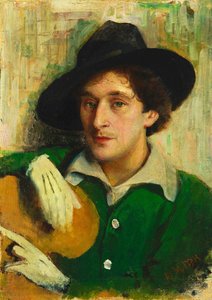
Marc Chagall
1887 - 1985 , Belorusko
Stručné informace
- Artistic Movement Or Style: Modernismus, Kubismus
- Artists Or Movements Influenced By This Artist:
- Surrealismus
- Moderní umělci
- Artists Who Influenced This Artist:
- Bakst
- Delaunay
- Borovikovsky
- Date Of Birth: 6 července 1887
- Date Of Death: 28. března 1985
- Full Name: Marc Chagall
- Nationality: Rusko (nyní Bělorus)
- Notable Artworks:
- I a vesnice
- Nad Vitebskem
- Bílá křížová cesta
- Place Of Birth: Liozna, Belarus

