

Acrylic On Canvas.

§ 1Catalogue data


Toto umělecké dílo je chráněno autorským právem
Umělecké dílo zobrazené na této stránce je chráněno autorským zákonem, což znamená, že nemůžeme legálně vytvářet ani prodávat jeho identickou reprodukci. Tato ochrana je vymáhána na základě mezinárodních dohod, jako například Berberská úmluva a národními zákony, včetně těch stanovených v Americký autorský zákon – Díl 17. Všechna práva vyhrazena.
Jako etická a právní alternativa nabízíme vlastní, ručně malovaná umělecká díla inspirovaná originálem. Naši zdatní a profesionální umělci si pečlivě studují styl, náladu a uměleckou podstatu originálu, aby vytvořili nové, jedinečné dílo, které vyvolává stejný pocit – přičemž zůstává samostatným originálním tvůrčím dílem.
Tato metoda je plně v souladu s autorským právem, protože nezahrnuje kopírování ani duplikování chráněného díla. Jde o kreativní reinterpretaci – nový obraz, který je inspirován originálem, ale není s ním identický.
 Více informací
§ 2Abstract
Popis sbírného předmětu
Biografie umělce
Objevte ikonické výtvarné plochy Marka Rothka (1903-1970)! Prozkoumejte emoční hloubku tohoto významného moderního umělce a jeho nezapomenutelný dopad na světové umění.
§ 3Commentary
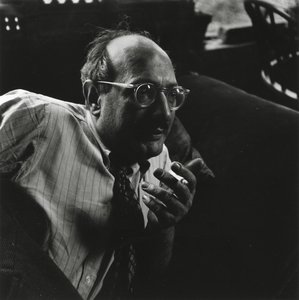
Mark Rothko: A Life in Color
Mark Rothko (1903-1970) was an American abstract painter, renowned for his monumental color field paintings that profoundly influenced the course of modern art. His distinctive style—characterized by large rectangular blocks of saturated color—captured the essence of existential contemplation and continues to resonate with audiences worldwide. Born Marcus Yakovlevich Rothkowitz in Dvinsk (now Daugavpils), Latvia, he immigrated to the United States in 1913 alongside his family, establishing a foothold in Portland, Oregon. This formative experience instilled in him a deep appreciation for intellectual discourse and shaped his worldview—a legacy that extended throughout his artistic career. Early exposure to Marxist thought through his father fueled his conviction that art should serve as a conduit for conveying universal human emotions. Rothko’s artistic journey began with figurative painting during the 1920s, depicting urban landscapes and portraits. He pursued formal studies at Yale University but left before graduating to dedicate himself fully to artistic exploration. The 1940s witnessed a pivotal shift as he experimented with mythological themes and Surrealism—responses to the anxieties of World War II—demonstrating his willingness to engage with diverse artistic traditions. However, it was in late 1947 that Rothko embarked on his groundbreaking foray into Color Field painting, marking the genesis of his iconic style. This movement championed the use of color as a primary expressive medium, prioritizing emotional impact over representational accuracy.- Color Field Painting: Embracing simplicity and luminosity, Color Field painters like Rothko sought to evoke profound feelings through expansive areas of pigment—often devoid of discernible form or detail.
- Influence of Nietzsche: Rothko’s philosophical leanings were deeply rooted in the writings of Friedrich Nietzsche, who championed the idea that art should transcend rational thought and tap into primal instincts.
- Early Works (1920s-1940s): Rothko's initial paintings explored themes of urban life and mythology, reflecting his engagement with intellectual currents of the time.
- Rothko Chapel: Rothko’s contribution to the Rothko Chapel in Houston, Texas—featuring fourteen canvases arranged in a deliberate sequence—represents his most ambitious artistic endeavor and remains a pilgrimage site for admirers of Color Field painting.
- Palette Selection: Rothko's careful selection of pigments—particularly lithol red—demonstrated an unwavering commitment to achieving maximum luminosity and tonal depth.
- Compositional Innovation: The horizontal arrangement of color blocks—a stylistic hallmark—created a sense of stillness and serenity, inviting viewers into a meditative state.
Otázky a odpovědi
Z jaké éry pochází "Maroon and Orange"?
Dílo "Maroon and Orange" pochází z období Modern.
Je dílo „Maroon and Orange“ volné z autorských práv?
Stav autorských práv pro dílo „Maroon and Orange“ od Mark Rothko: toto dílo spadá do stále chráněno autorským právem. To určuje, zda lze volně vytvářet reprodukce tohoto obrazu.
Jaké emoce vyvolávají barvy díla „Maroon and Orange“ od Mark Rothko?
V díle "Maroon and Orange" doprovází Dark barev Reflective pocit.


 Přepnout na tisk


 U děl nebo reprodukcí, u nichž je jakákoliv strana větší než 105 cm (přibližně 41 palců), bude rám dodán jako sestava v rozloženém stavu. Tato metoda zajišťuje bezpečné doručení a chrání dílo před poškozením během přepravy.


