

Oil On Canvas.

§ 1Catalogue data


Toto umělecké dílo je chráněno autorským právem
Umělecké dílo zobrazené na této stránce je chráněno autorským zákonem, což znamená, že nemůžeme legálně vytvářet ani prodávat jeho identickou reprodukci. Tato ochrana je vymáhána na základě mezinárodních dohod, jako například Berberská úmluva a národními zákony, včetně těch stanovených v Americký autorský zákon – Díl 17. Všechna práva vyhrazena.
Jako etická a právní alternativa nabízíme vlastní, ručně malovaná umělecká díla inspirovaná originálem. Naši zdatní a profesionální umělci si pečlivě studují styl, náladu a uměleckou podstatu originálu, aby vytvořili nové, jedinečné dílo, které vyvolává stejný pocit – přičemž zůstává samostatným originálním tvůrčím dílem.
Tato metoda je plně v souladu s autorským právem, protože nezahrnuje kopírování ani duplikování chráněného díla. Jde o kreativní reinterpretaci – nový obraz, který je inspirován originálem, ale není s ním identický.
 Více informací
§ 2Abstract
Popis sbírného předmětu
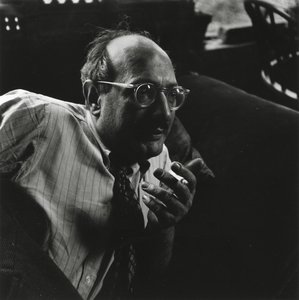
The painting depicts a man standing before a window, dressed in yellow shirt and black pants, gazing out at the scenery. A vibrant red wall serves as backdrop, enhancing the composition's dynamism. Rothko’s masterful technique captures the subject’s posture and expression.
Biografie umělce
Objevte ikonické výtvarné plochy Marka Rothka (1903-1970)! Prozkoumejte emoční hloubku tohoto významného moderního umělce a jeho nezapomenutelný dopad na světové umění.
§ 3Commentary
The Weight of Silence: Contemplating Rothko’s Existential Vision
In the quietude of Mark Rothko’s Portrait 1, one encounters more than just a visual arrangement; one enters a profound dialogue with mortality. This work, emerging from the twilight of the artist's life in 1963, serves as an arresting stillness—a portrait not merely of a man, but of the deep, heavy contemplation inherent in confronting one's own end. While the canvas presents a figure standing before a window, the true subject is the palpable tension between the physical presence of the man and the vast, psychological space he inhabits. The composition captures a moment of profound introspection, where the boundaries between the individual and the infinite begin to blur.
The technique employed here is a masterclass in emotional condensation. Eschewing the frantic gestures of his contemporaries, Rothko utilized thin, luminous washes of pigment—vibrant cadmium yellows, deep crimsons, and somber ultramarine blues—to create expansive planes that seem to breathe upon the canvas. These colors are not merely decorative; they are conduits for raw sensation. As the edges of the rectangular forms bleed into one another, the viewer is invited to bypass intellectual analysis and instead tap into a primal, visceral experience. The way the red wall behind the subject vibrates against his yellow shirt creates a chromatic tension that mirrors the internal struggle between life's vitality and the encroaching shadows of uncertainty.
A Mirror to a Turbulent Era
To understand the gravity of this piece, one must look toward the historical landscape of the 1960s. As the world grappled with the anxieties of the Vietnam War and the looming threat of nuclear annihilation, Rothko sought refuge in a deliberate stripping away of the extraneous. This movement toward a refined minimalism was a reaction against the chaotic energy of earlier Abstract Expressionism. In this portrait, the simplicity of the man’s posture—hands on hips, gaze fixed outward—acts as a vessel for the collective anxieties of an era. The window behind him does not merely provide depth; it serves as a threshold between the known and the unknown, much like the artist's own transition from the tangible world to the realm of pure abstraction.
For the discerning collector or interior designer, this reproduction offers more than just aesthetic beauty; it provides an anchor of contemplative depth. The painting’s ability to command a room through its symbolic weight makes it a centerpiece for spaces dedicated to reflection and intellectual engagement. It is a work that demands presence, inviting anyone who stands before it to pause, breathe, and confront the beautiful, terrifying mystery of existence. Whether placed in a modern gallery setting or a private study, Portrait 1 remains an enduring testament to the power of color to evoke the human soul.
Otázky a odpovědi
Jsou barvy v díle „Portrait 1“ od Mark Rothko syté, nebo tlumené?
Dílo „Portrait 1“ od Mark Rothko je zachyceno s Clear Color Presence saturací.
Lze obraz díla „Portrait 1“ od Mark Rothko volně reprodukovat?
Dílo „Portrait 1“ od Mark Rothko spadá do stále chráněno autorským právem. Tento stav určuje pravidla pro reprodukci obrazu tohoto díla.
Patří „Portrait 1“ od Mark Rothko mezi vyhledávaná díla směru Abstract Expressionism?
Dílo „Portrait 1“ od Mark Rothko je klasifikováno jako Iconic a patří k享有 směru Abstract Expressionism.


 Přepnout na tisk


 U děl nebo reprodukcí, u nichž je jakákoliv strana větší než 105 cm (přibližně 41 palců), bude rám dodán jako sestava v rozloženém stavu. Tato metoda zajišťuje bezpečné doručení a chrání dílo před poškozením během přepravy.



