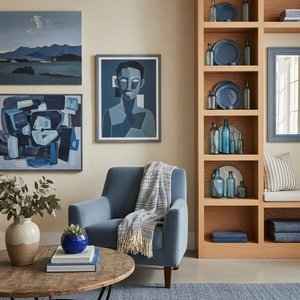
1945. Acrylic, 109.0 x 79.0 cm.

§ 1Catalogue data

- 109.0 x 79.0 cm


Toto umělecké dílo je chráněno autorským právem
Umělecké dílo zobrazené na této stránce je chráněno autorským zákonem, což znamená, že nemůžeme legálně vytvářet ani prodávat jeho identickou reprodukci. Tato ochrana je vymáhána na základě mezinárodních dohod, jako například Berberská úmluva a národními zákony, včetně těch stanovených v Americký autorský zákon – Díl 17. Všechna práva vyhrazena.
Jako etická a právní alternativa nabízíme vlastní, ručně malovaná umělecká díla inspirovaná originálem. Naši zdatní a profesionální umělci si pečlivě studují styl, náladu a uměleckou podstatu originálu, aby vytvořili nové, jedinečné dílo, které vyvolává stejný pocit – přičemž zůstává samostatným originálním tvůrčím dílem.
Tato metoda je plně v souladu s autorským právem, protože nezahrnuje kopírování ani duplikování chráněného díla. Jde o kreativní reinterpretaci – nový obraz, který je inspirován originálem, ale není s ním identický.
 Více informací
§ 2Abstract
Popis sbírného předmětu
Mark Rothko’s monumental Untitled canvas captures a contemplative dining scene bathed in rich blues—a hallmark of his Color Field painting style from the mid-1940s. Explore this evocative piece and bring Rothko's profound exploration of emotion into your home.
Biografie umělce
Objevte ikonické výtvarné plochy Marka Rothka (1903-1970)! Prozkoumejte emoční hloubku tohoto významného moderního umělce a jeho nezapomenutelný dopad na světové umění.
§ 3Commentary
A Meditation on Stillness: Exploring Mark Rothko’s Untitled Canvas
The painting, simply titled “Untitled,” embodies the core tenets of Abstract Expressionism and stands as a testament to Mark Rothko's unwavering pursuit of profound emotional resonance. Executed in 1945, this canvas—measuring 109 x 79 cm—immediately captivates with its deceptively serene expanse of deep blue pigment. Yet beneath the surface tranquility lies an intricate tapestry of artistic considerations that speaks volumes about Rothko’s intellectual and spiritual convictions.- Subject Matter: While seemingly devoid of recognizable figures, the painting isn't entirely devoid of narrative. Two individuals occupy the space—one seated at a table, delicately holding a fork, while the other stands behind him, observing. These figures serve as anchors for our gaze, grounding us in a domestic tableau that subtly contrasts with the overwhelming expanse of color.
- Style: Rothko’s approach transcends mere representation; he abandons illusionistic technique altogether, opting instead for what he termed “color field painting.” This method prioritizes pure pigment—in this case, shades of blue—applied in horizontal rectangles that bleed into one another, creating an immersive experience for the viewer.
- Technique: Rothko achieved his signature effect through a meticulous layering process. He applied thin washes of color onto successive canvases, building up layers to achieve maximum luminosity and depth. This technique ensured that each rectangle radiated its own internal glow, fostering a sense of meditative contemplation.
Historical Context: The Crucible of Postwar Anxiety
The painting’s creation coincided with the aftermath of World War II—a period marked by immense upheaval and disillusionment across Europe. Rothko was deeply affected by the horrors he witnessed during his travels in Europe following the war, experiences that fueled his preoccupation with themes of trauma and loss. Color field painting emerged as a reaction against the dominant artistic conventions of the time – Surrealism and Cubism – offering an alternative path toward conveying emotion and confronting existential anxieties. It represented a deliberate rejection of intellectual abstraction in favor of visceral experience.Symbolism: Beyond Hue—A Language of Feeling
The pervasive blue hue is not merely decorative; it functions as a powerful symbol representing melancholy, introspection, and spiritual contemplation. Rothko himself described his paintings as “windows onto eternity,” suggesting that they aspire to transcend the limitations of earthly concerns and invite viewers into a realm of profound emotional truth. The placement of the figures—seated and standing—further reinforces this symbolic dimension. They embody duality – stillness versus movement – highlighting the inherent tension between inner reflection and engagement with the external world.Emotional Impact: An Invitation to Silence
Ultimately, “Untitled” compels us to confront our own emotional responses. Rothko’s masterful manipulation of color creates an atmosphere of quiet contemplation, encouraging viewers to surrender to the painting's immersive quality. It is a piece designed not for immediate gratification but rather for sustained engagement—a reminder that art can communicate truths beyond words and offer solace in moments of uncertainty. The reproduction offered by AllPaintingsStore.com allows collectors and interior designers alike to experience this evocative artwork firsthand, capturing its essence with exceptional fidelity.Otázky a odpovědi
Jaká je vnímaná jasnost díla „Untitled“ od Mark Rothko?
Z hlediska vnímané jasnosti je dílo „Untitled“ od Mark Rothko brilliant.
V jakém roce vzniklo dílo "Untitled"?
Dílo "Untitled" pochází z roku 1945. Toto datum situuje dílo do období tvůrčí činnosti Mark Rothko i do jeho dobové kontextu.
Existuje k dílu „Untitled“ od Mark Rothko informační list pro studenty?
Pro dílo „Untitled“ od Mark Rothko je k dispozici stránka Průvodce pro studenty: tiskem připravený informační list o uměleckém díle, navržený pro studenty a použití ve výuce.


 Přepnout na tisk


 U děl nebo reprodukcí, u nichž je jakákoliv strana větší než 105 cm (přibližně 41 palců), bude rám dodán jako sestava v rozloženém stavu. Tato metoda zajišťuje bezpečné doručení a chrání dílo před poškozením během přepravy.