Náhled
 Sdílet
 Sdílet
 Podrobnosti o díle

 Stáhnout
 Podobné položky
 Rentgenové snímky
 Slideshow
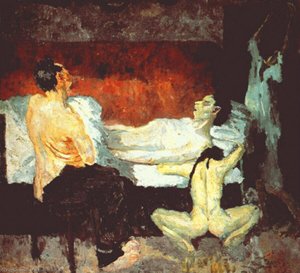
Day and Dream. Magic Mirror
 Acrylic On Canvas
- WallArt
- Expressionist Modernism
 1946
1946- Early Modern
 31.0 x 22.0 cm
 Zobrazit více
Giclée / Umělecký tisk
Giclée nebo plátěný tisk muzeální kvality s rychlou výrobou a flexibilními možnostmi povrchové úpravy. ( Koupit ručně malovaný obraz Koupit obrázek)




P118B $10

P118H $10

P118W $10

P438Z $10

P508JH $12

P508YH $12

P805H $10

P805Z $10

P919BZ $10

P919G $10

P919XJ $10

P959ZH $10

P968JZ $12

W106C $8

W218G $10

W218JH $8

W218Y $10

W307PJ $10

W316G $10

W316PJ $8

W316Y $10

W398PJ $8

W4111J $10

W500HY $15

W500JH $15

W692G $12

W849H $8

W940BG $15

W953PJ $8




Vyberte si z našich přednastavených velikostí, které odpovídají původním proporcím díla.

Můžete zadat vlastní rozměry tak, aby výtvor odpovídal konkrétnímu rámu nebo prostoru. Pokud zvolená velikost nebude odpovídat poměru stran původního obrazu, dílo buď ořížeme, nebo obraz rozšíříme pomocí zrcadlového efektu či jednobarevného okraje. Před zahájením výroby vám bude zaslán digitální náhled k schválení.
Mějte prosím na paměti, že náhled na obrazovce neodráží skutečné oříznutí nebo rozšíření. Pouze digitální náhled přesně zobrazí finální kompozici.
Ačkoliv jsou k dispozici i vlastní rozměry, pro zachování původních proporcí doporučujeme vybrat si rozměr z předdefinovaného seznamu.
Celosvětové doručení () do 2 týdnů namísto standardních 4/5 týdnů. (19 srpen)

Zdarma celosvětová expresní doprava

Vysoce kvalitní lněné plátno

Kompletní přepravní pojištění

Záruka vrácení celního poplatku

Záruka přesného barevného shodu

60denní lhůta pro vrácení zboží (pouze při vadách výroby)

100% garance vrácení peněz

Sleva při hromadné objednávce
 Skleněná varianta je dostupná pouze u rozměrů menších než 110 cm

Day and Dream. Magic Mirror
Giclée / Umělecký tisk
Rozměry reprodukce
-


Celková cena za výběr
$ 64
Popis sběratelského kousku
Max Beckmann's "Day and Dream. Magic Mirror" – A Study in Disquiet
This meticulously crafted hand-painted reproduction of Max Beckmann’s “Day and Dream. Magic Mirror” (1946) offers a profound glimpse into the artist’s intensely personal and psychologically charged vision. Executed on archival quality paper with exacting attention to detail, this artwork transcends mere representation; it is an exploration of identity, reflection, and the unsettling nature of perception itself. Beckmann, born in Leipzig in 1884, was a pivotal figure in 20th-century art, moving from early academic training to a powerfully expressive style marked by distortion and fragmentation – a direct response to his experiences during World War I.
- Subject Matter: The scene depicts a solitary woman confronting her reflection within a mirror. This seemingly simple composition is layered with complex symbolism, inviting viewers to contemplate the nature of self-awareness and the potential for illusion.
- Style & Technique: Beckmann’s technique is characterized by bold lines, flattened perspective, and a deliberate rejection of traditional realism. The use of stark black and white amplifies the emotional intensity, creating a sense of claustrophobia and unease. Notice the meticulous rendering of textures – the smooth surface of the mirror contrasting with the rough fabric of the chairs – adding to the artwork’s tactile quality.
Historical Context & Beckmann's Vision
Created in 1946, “Day and Dream. Magic Mirror” emerged from a period of profound upheaval in Europe following World War II. Beckmann’s artistic trajectory was deeply influenced by the trauma of war and his experiences as a medical orderly during the conflict. This led to a shift in his style – moving away from representational accuracy towards a more subjective and emotionally driven approach. His work echoes the anxieties and uncertainties of the post-war era, reflecting a fractured sense of reality and a questioning of established values. Beckmann’s artistic lineage is equally significant; he drew inspiration from medieval stained glass, particularly the symbolic imagery found in Bosch and Grünewald, alongside influences from Cézanne, Van Gogh, Blake, Rembrandt, and Rubens – creating a unique synthesis that anticipates both Expressionism and Surrealism.
- Medieval Symbolism: The mirror itself is a potent symbol, harking back to medieval iconography where mirrors were often associated with divine revelation and the soul’s journey.
- Expressionist Roots: Beckmann's distortion of form anticipates the key tenets of Expressionism, prioritizing emotional impact over objective representation.
Symbolic Layers & Emotional Resonance
The inclusion of two additional figures – one on either side of the woman – adds another layer of complexity to the scene. These ambiguous presences could represent memories, anxieties, or perhaps even distorted versions of the self. The dining table, a recurring motif in Beckmann’s work, suggests themes of social interaction and isolation. The overall effect is deeply unsettling, prompting viewers to confront uncomfortable questions about identity, perception, and the fragility of human experience. “Day and Dream. Magic Mirror” isn't merely a depiction; it’s an invitation to engage with the darker aspects of the human psyche.
- The Mirror as Metaphor: The mirror serves as a powerful metaphor for self-reflection, but also for the potential for deception and illusion.
- Emotional Impact: This artwork evokes feelings of melancholy, introspection, and perhaps even a sense of dread – qualities that have long defined Beckmann’s most compelling works.
Perfect for Interior Design & Art Collection
This hand-painted reproduction of “Day and Dream. Magic Mirror” is more than just a beautiful image; it's an investment in art history and a statement of sophisticated taste. Its compact size (31 x 22 cm) makes it ideal for a variety of settings, from a study or bedroom to a gallery wall. The high-quality materials and meticulous craftsmanship ensure that this reproduction will retain its beauty and value for years to come. Bring the profound vision of Max Beckmann into your home or office – a timeless piece that continues to challenge and inspire.
Podobná umělecká díla


Biografie umělce
Early Life and Artistic Development
Max Beckmann, a German painter, draftsman, printmaker, sculptor, and writer, was born on February 12, 1884, in Leipzig, Saxony. His artistic journey commenced with academically correct depictions—a stylistic choice that would later dramatically shift toward distorted figures and spaces, reflecting his profoundly altered perception of humanity following his service as a medical orderly during World War I. This formative experience indelibly shaped his artistic vision, propelling him away from traditional formalism towards a more emotionally charged exploration of human condition. Beckmann’s initial training at Weimar Academy instilled in him a grounding in classical aesthetics, yet he swiftly embraced the expressive fervor championed by artists like Edvard Munch and Vincent van Gogh—a pivotal moment that cemented his allegiance to Expressionism.Artistic Style and Influences
Beckmann's distinctive style drew inspiration from diverse artistic currents, notably medieval stained glass imagery and the pioneering works of Cézanne and Rembrandt. He meticulously studied these masters’ techniques, absorbing their compositional principles and tonal palettes—a testament to his unwavering dedication to mastering the craft of painting. Furthermore, Beckmann’s gaze turned toward Northern European artists of the late Middle Ages and early Renaissance, including Bosch and Grünewald, whose unsettling visions of human existence resonated deeply with his own artistic sensibilities. These influences contributed to a stylistic vocabulary characterized by angular lines, stark contrasts of light and shadow, and a deliberate flattening of perspective—elements that would become hallmarks of Beckmann’s oeuvre.Notable Works and Exhibitions
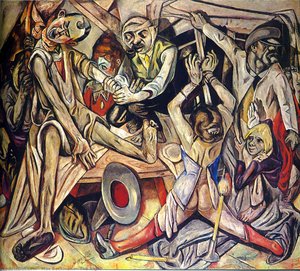
Beckmann's artistic output encompassed monumental triptychs like *The Night* (1942), which powerfully conveyed the psychological torment experienced during wartime, alongside intimate portraits capturing fleeting moments of human emotion. His canvases pulsated with symbolic resonance—a deliberate departure from representational accuracy in favor of conveying profound ideas and feelings. Among his most celebrated achievements were *The Bark*, acquired by the National Gallery in Berlin (1928), and *Self-Portrait in Tuxedo*, purchased in the same year, demonstrating his mastery of both technique and conceptual exploration. Beckmann’s work graced prominent exhibition halls across Germany and internationally, securing his place as a pivotal figure within the Expressionist movement and cementing his legacy as one of the foremost artists of his time.Later Life and Exile
Beckmann's artistic trajectory was irrevocably altered by the ascendancy of Adolf Hitler in Germany—a political upheaval that resulted in his dismissal from the Frankfurt Art School and the confiscation of over 500 of his artworks. Forced into exile, he sought refuge in Amsterdam for ten years, enduring bureaucratic obstacles in securing a visa for the United States. Despite these hardships, Beckmann persevered in his artistic pursuits, producing an astonishing body of work during his time abroad—primarily focused on capturing the atmosphere and emotional intensity of daily life. His return to Berlin marked a renewed engagement with German intellectual culture, fostering collaborations with fellow artists and writers who shared his commitment to challenging conventional artistic norms.Legacy
Beckmann’s enduring influence extends beyond his own artistic creations—he served as an instructor at Washington University in St. Louis and the Brooklyn Museum, nurturing the talents of aspiring artists and shaping the direction of American art education. His retrospective debut in the United States in 1948 at the City Art Museum, Saint Louis, garnered critical acclaim and solidified his reputation as a visionary artist whose work continues to inspire contemplation and debate. Max Beckmann’s legacy resides not only in his artistic masterpieces but also in his unwavering conviction that art should serve as a conduit for confronting existential anxieties—a perspective that resonates powerfully with audiences today.
Max Beckmann
1884 - 1950 , Německá
Rychlé fakta
- Artistic Movement Or Style: Výraznictví
- Artists Or Movements Influenced By This Artist: ['Rembrandt']
- Artists Who Influenced This Artist:
- Georges Seurat
- Vincent van Gogh
- Date Of Birth: 2. února 1884
- Date Of Death: 27. prosince 1950
- Full Name: Max Carl Friedrich Beckmann
- Nationality: Německý
- Notable Artworks:
- The Bark
- Self-Portrait in Tuxedo
- Place Of Birth: Lipsko, Německá republika
Související články

Top 10 slavných obrazů vládnutých bílou barvou – Umění a inspirace pro interiér
Objevte top 10 slavných obrazů, kde bílá barva hraje klíčovou roli. Claude Monet, Van Gogh a další mistři! Inspirace pro váš interiér a reprodukce umění nejvyšší kvality na AllPaintingsStore.com.

Top 10 slavných obrazů s dominantní černou barvou | AllPaintingsStore.cz
Prozkoumejte 10 nejslavnějších obrazů s dominantní černou barvou od Van Gogha, Muncha a dalších mistrů. Objevte příběhy za uměleckými díly, techniky a inspiraci. Reprodukce obrazů nejvyšší kvality na AllPaintingsStore.com.

Giclée Prints: Archival Quality & Aesthetic Nuances for the Discerning Collector
Explore the world of giclée prints with AllPaintingsStore. Learn about archival quality, aesthetic nuances & investment potential. Expert guidance for discerning art collectors seeking museum-quality reproductions and lasting value.

Beyond Color: The Timeless Power and Artistry of Black and White Photography
Explore the profound artistry of black and white photography. From the chemistry of gelatin silver to the chiaroscuro of the Old Masters, discover how monochrome captures the eternal essence of light, form, and emotion for the discerning art collector.
Monochrome Visions: Exploring the Aesthetic & Historical Significance of Black & White Photography
Explore the rich history & artistic power of black and white photography. From early techniques to iconic masters like Ansel Adams, discover why monochrome continues to captivate art lovers today. Expert insights for collectors.