


 Zobrazit v interiéru
 Odeslat
 Sdílet
 Podrobnosti
 Průvodce

 Stáhnout obrázek
 Podobné kousky
 Rentgenové snímky
 Slideshow
 Statistiky
The Old Actress
 Oil On Canvas
- WallArt
- German Expressionism
 1926
1926- Modern
 101.0 x 71.0 cm
 Metropolitní muzeum umění
 Přečíst si více
Giclée / Umělecký tisk
Giclée nebo plátěný tisk muzeální kvality s rychlou výrobou a širokou nabídkou povrchových úprav. ( Objednat ručně malovanou reprodukci Přepnout na digitální verzi obrazu)




P118B Kč10

P118H Kč10

P118W Kč10

P438Z Kč10

P508JH Kč12

P508YH Kč12

P805H Kč10

P805Z Kč10

P919BZ Kč10

P919G Kč10

P919XJ Kč10

P959ZH Kč10

P968JZ Kč12

W106C Kč8

W218G Kč10

W218JH Kč8

W218Y Kč10

W307PJ Kč10

W316G Kč10

W316PJ Kč8

W316Y Kč10

W398PJ Kč8

W4111J Kč10

W500HY Kč15

W500JH Kč15

W692G Kč12

W849H Kč8

W940BG Kč15

W953PJ Kč8




Vyberte si z našich přednastavených velikostí, které odpovídají původním proporcím díla.

Zadejte šířku a výšku, které potřebujete pro váš rám nebo stěnu. Tisk lze pouze oříznout, nikdy však nelze zvětšit obraz nad jeho původní rozměr, proto při výběru jiného formátu dochází ke ztrátě části obrazu. Před samotným tiskem vám zašleme digitální náhled k schválení. Obraz zobrazený na této stránce nenabízí skutečný výřez — ten uvidíte pouze v náhledu.
Celosvětové doručení () do 2 týdnů namísto standardních 4/5 týdnů. (24 říjen)

Zdarma celosvětová expresní doprava

Vysoce kvalitní lněné plátno

Úplné pojištění přepravy

Záruka vrácení celního poplatku

Záruka věrného barevného shodu

100dení lhůta pro vrácení zboží (pouze při vadách výroby)

100% garance vrácení peněz

Sleva při více objednávkách
 Skleněná varianta je dostupná pouze u rozměrů menších než 110 cm

The Old Actress
Giclée / Umělecký tisk
Velikost reprodukce
-


Celková cena
Kč 1367
A Gaze Through Time: The Soul of Max Beckmann’s The Old Actress
In the quiet, heavy atmosphere of 1926, Max Beckmann captured a moment that transcends mere portraiture to become a profound meditation on the human condition. The Old Actress is not simply a depiction of a woman in repose; it is a hauntingly beautiful window into the psyche of an era caught between the trauma of the past and the uncertainty of the future. As the viewer approaches this masterpiece, they are immediately met by the piercing, yet distant gaze of the subject, whose eyes seem to wander far beyond the confines of the canvas, searching for memories or perhaps contemplating the inevitable passage of time. This sense of introspection is palpable, inviting anyone who hangs a reproduction of this work in their home to participate in a silent dialogue with history.
The composition is anchored by the striking presence of the woman, seated with a dignified yet weary posture. Her attire—a severe black dress accented with delicate white lace—carries a weight of solemnity, subtly evoking the austerity of clerical garments and hinting at a life lived with deep moral or spiritual consideration. Nestled in her lap, a ginger cat provides the only warmth in an otherwise somber palette, acting as a tender symbol of companionship that simultaneously highlights the profound solitude of the sitter. Beckmann’s mastery of New Objectivity is on full display here; through his use of distorted spatial perspectives and thick, textured brushstrokes, he creates an environment that feels both physically present and psychologically unsettling.
The Texture of Melancholy and Modernity
Technically, the painting is a triumph of expressionistic depth. Beckmann utilizes oil on canvas to build a surface that is as much about tactile emotion as it is about visual representation. The heavy application of paint creates a palpable atmosphere of melancholy, where every stroke contributes to the sense of unease and gravity. This technique serves to ground the subject in a reality that feels weighted by experience. For the discerning collector or interior designer, this piece offers a sophisticated focal point that brings a layer of intellectual and emotional complexity to any space, whether it be a curated gallery wall or a contemplative study.
To understand The Old Actress is to understand the spirit of post-World War I Europe. The painting breathes the disillusionment of a generation that had witnessed the collapse of old certainties. Beckmann, having served as a medical orderly during the Great War, infused his work with an altered vision of humanity—one where figures are often compressed or slightly skewed to reflect internal tension. In this portrait, the stillness is deceptive; beneath the surface lies the restless energy of a world in transition. It is this duality—the outward calm of the actress and the inward turbulence of her era—that makes this work an enduring icon of modern art, offering timeless inspiration for those who appreciate art that speaks to the resilience of the human spirit.
Otázky a odpovědi
Jak se v díle "The Old Actress" propojují kontrast a harmonie?
V díle "The Old Actress" je Statement kontrast spojen s Strong Color Unity harmonií.
K jakému stylu patří „The Old Actress“?
„The Old Actress“ je dílo z období German Expressionism. Tento směr určuje uměleckou tradici, jejíž je dílo součástí.
Z jaké země pochází dílo German Expressionism s názvem "The Old Actress"?
Dílo „The Old Actress“ propojuje směr German Expressionism s Německá prostřednictvím rodného města svého tvůrce.
Související díla


Biografie umělce
Early Life and Artistic Development
Max Beckmann, a German painter, draftsman, printmaker, sculptor, and writer, was born on February 12, 1884, in Leipzig, Saxony. His artistic journey commenced with academically correct depictions—a stylistic choice that would later dramatically shift toward distorted figures and spaces, reflecting his profoundly altered perception of humanity following his service as a medical orderly during World War I. This formative experience indelibly shaped his artistic vision, propelling him away from traditional formalism towards a more emotionally charged exploration of human condition. Beckmann’s initial training at Weimar Academy instilled in him a grounding in classical aesthetics, yet he swiftly embraced the expressive fervor championed by artists like Edvard Munch and Vincent van Gogh—a pivotal moment that cemented his allegiance to Expressionism.Artistic Style and Influences
Beckmann's distinctive style drew inspiration from diverse artistic currents, notably medieval stained glass imagery and the pioneering works of Cézanne and Rembrandt. He meticulously studied these masters’ techniques, absorbing their compositional principles and tonal palettes—a testament to his unwavering dedication to mastering the craft of painting. Furthermore, Beckmann’s gaze turned toward Northern European artists of the late Middle Ages and early Renaissance, including Bosch and Grünewald, whose unsettling visions of human existence resonated deeply with his own artistic sensibilities. These influences contributed to a stylistic vocabulary characterized by angular lines, stark contrasts of light and shadow, and a deliberate flattening of perspective—elements that would become hallmarks of Beckmann’s oeuvre.Notable Works and Exhibitions
Beckmann's artistic output encompassed monumental triptychs like *The Night* (1942), which powerfully conveyed the psychological torment experienced during wartime, alongside intimate portraits capturing fleeting moments of human emotion. His canvases pulsated with symbolic resonance—a deliberate departure from representational accuracy in favor of conveying profound ideas and feelings. Among his most celebrated achievements were *The Bark*, acquired by the National Gallery in Berlin (1928), and *Self-Portrait in Tuxedo*, purchased in the same year, demonstrating his mastery of both technique and conceptual exploration. Beckmann’s work graced prominent exhibition halls across Germany and internationally, securing his place as a pivotal figure within the Expressionist movement and cementing his legacy as one of the foremost artists of his time.Later Life and Exile
Beckmann's artistic trajectory was irrevocably altered by the ascendancy of Adolf Hitler in Germany—a political upheaval that resulted in his dismissal from the Frankfurt Art School and the confiscation of over 500 of his artworks. Forced into exile, he sought refuge in Amsterdam for ten years, enduring bureaucratic obstacles in securing a visa for the United States. Despite these hardships, Beckmann persevered in his artistic pursuits, producing an astonishing body of work during his time abroad—primarily focused on capturing the atmosphere and emotional intensity of daily life. His return to Berlin marked a renewed engagement with German intellectual culture, fostering collaborations with fellow artists and writers who shared his commitment to challenging conventional artistic norms.Legacy
Beckmann’s enduring influence extends beyond his own artistic creations—he served as an instructor at Washington University in St. Louis and the Brooklyn Museum, nurturing the talents of aspiring artists and shaping the direction of American art education. His retrospective debut in the United States in 1948 at the City Art Museum, Saint Louis, garnered critical acclaim and solidified his reputation as a visionary artist whose work continues to inspire contemplation and debate. Max Beckmann’s legacy resides not only in his artistic masterpieces but also in his unwavering conviction that art should serve as a conduit for confronting existential anxieties—a perspective that resonates powerfully with audiences today.
Max Beckmann
1884 - 1950 , Německá
Rychlé informace
- Artistic Movement Or Style: Výraznictví
- Artists Or Movements Influenced By This Artist: ['Rembrandt']
- Artists Who Influenced This Artist:
- Georges Seurat
- Vincent van Gogh
- Date Of Birth: 2. února 1884
- Date Of Death: 27. prosince 1950
- Full Name: Max Carl Friedrich Beckmann
- Nationality: Německý
- Notable Artworks:
- The Bark
- Self-Portrait in Tuxedo
- Place Of Birth: Lipsko, Německá republika
Související články
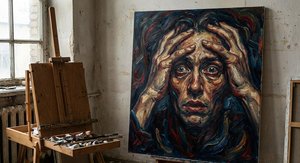
Figurative Expressionism: Emotional Intensity & Subjective Reality in 20th-Century Art
Explore the powerful world of Figurative Expressionism with AllPaintingsStore. Discover key artists like Kirchner & Beckmann, understand its emotional depth, and learn how to collect this influential 20th-century art movement.

Top 10 děl německého expresionismu: Umění plné emocí pro váš domov | AllPaintingsStore
Prozkoumejte 10 ikonických děl německého expresionismu od Muncha, Kirchnera a dalších. Objevte příběhy za obrazy plnými emocí a výrazných barev. Reprodukce umění nejvyšší kvality na AllPaintingsStore.com – inspirace pro váš interiér!

Max Beckmann: Navigating Trauma & Modernity Through a Distorted Lens
Explore the powerful world of Max Beckmann's art – a journey through trauma, modernity & distortion. Discover his key works, influences, and lasting legacy with expert analysis.

Unmasking Emotion: A Journey Through the Raw Power and Visceral Beauty of German Expressionism
Explore the raw emotional power of German Expressionism. From Kirchner to Die Brücke, discover how artists used distortion and vibrant color to unmask the human psyche. A deep dive into art history for the discerning collector and enthusiast.
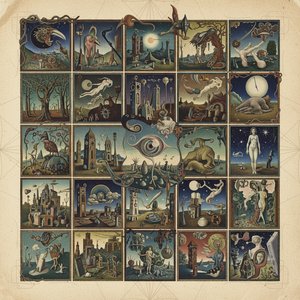
Max Ernst: 25 mistrovských děl surrealismu pro váš domov | AllPaintingsStore.com
Prozkoumejte 25 ikonických děl Maxe Ernsta – surrealistického mistra. Objevte příběhy za obrazy, techniky a inspiraci pro váš interiér s AllPaintingsStore.com. Kvalitní reprodukce umění online.


