


 Náhled v interiéru
 Sdílet
 Sdílet
 Podrobnosti o díle
 Průvodce

 Stáhnout
 Podobné položky
 Rentgenové snímky
 Slideshow
 Otázky a odpovědi
 Statistiky
Chimera


 Zobrazit více
Umělecké dílo zobrazené na této stránce je chráněno autorským zákonem, což znamená, že nemůžeme legálně vytvářet ani prodávat jeho identickou reprodukci. Tato ochrana je vymáhána na základě mezinárodních dohod, jako například Berberská úmluva a národními zákony, včetně těch stanovených v Americký autorský zákon – Díl 17. Všechna práva vyhrazena.
Tato metoda je plně v souladu s autorským právem, protože nezahrnuje kopírování ani duplikování chráněného díla. Jde o kreativní reinterpretaci – nový obraz, který je inspirován originálem, ale není s ním identický.
Giclée / Umělecký tisk
Giclée nebo plátěný tisk muzeální kvality s rychlou výrobou a širokou nabídkou povrchových úprav. ( Koupit ručně malovaný obraz Přepnout na digitální obraz)




P118B Kč10

P118H Kč10

P118W Kč10

P438Z Kč10

P508JH Kč12

P508YH Kč12

P805H Kč10

P805Z Kč10

P919BZ Kč10

P919G Kč10

P919XJ Kč10

P959ZH Kč10

P968JZ Kč12

W106C Kč8

W218G Kč10

W218JH Kč8

W218Y Kč10

W307PJ Kč10

W316G Kč10

W316PJ Kč8

W316Y Kč10

W398PJ Kč8

W4111J Kč10

W500HY Kč15

W500JH Kč15

W692G Kč12

W849H Kč8

W940BG Kč15

W953PJ Kč8




Vyberte si z našich přednastavených velikostí, které odpovídají původním proporcím díla.

Zadejte šířku a výšku, které potřebujete pro váš rám nebo stěnu. Tisk lze pouze oříznout, nikdy však nelze zvětšit obraz nad jeho původní rozměr, proto při výběru jiného formátu dochází ke ztrátě části obrazu. Před samotným tiskem vám zašleme digitální náhled k schválení. Obraz zobrazený na této stránce nenabízí skutečný výřez — ten uvidíte pouze v náhledu.
Celosvětové doručení () do 2 týdnů namísto standardních 4/5 týdnů. (19 listopad)

Zdarma celosvětová expresní doprava

Vysoce kvalitní lněné plátno

Kompletní pojištění přepravy

Záruka vrácení celního poplatku

Záruka věrného barevného souladu

100dení lhůta pro vrácení zboží (pouze při vadách výroby)

100% záruka vrácení peněz

Sleva při více objednávkách
 Skleněná varianta je dostupná pouze u rozměrů menších než 110 cm

Chimera
Giclée / Umělecký tisk
Rozměry reprodukce
-


Celková cena za vybrané možnosti reprodukcí
Kč 1405
A Dreamscape of Disjunction: Max Ernst’s “Chimera”
Max Ernst's "Chimera," painted in 1921, isn’t merely a depiction of a scene; it’s an immersion into the fractured logic of the subconscious. This surrealist masterpiece, born from a period of intense artistic and intellectual exploration for Ernst, immediately confronts the viewer with a disorienting yet strangely compelling tableau. The painting presents a solitary figure – seemingly lost in contemplation – positioned before a wall adorned with a chaotic collection of objects: an umbrella tilted at an improbable angle, a chair receding into the distance, and other fragments that defy immediate recognition. It’s a visual riddle, designed not to offer easy answers but to provoke a deeper engagement with the nature of perception and reality itself.
Ernst's genius lies in his masterful manipulation of collage technique, a method he embraced as a means to liberate himself from traditional painting conventions. “Chimera” is a testament to this approach; it’s not painted directly onto canvas but constructed through the layering and juxtaposition of various materials – paper, fabric, wood, and other found objects. This deliberate fragmentation mirrors the fragmented nature of dreams and memories, suggesting that our understanding of the world is inherently unstable and subject to distortion. The resulting texture and visual complexity are deeply evocative, inviting the viewer to trace the lines between the disparate elements and construct their own interpretation.
The Language of Surrealism: Symbolism and Juxtaposition
“Chimera” is a quintessential example of the surrealist movement’s fascination with the irrational and the unconscious. Inspired by artists like Giorgio de Chirico, Ernst sought to tap into the hidden depths of the psyche, bypassing rational thought in favor of intuitive association. The umbrella, for instance, often symbolizes protection or communication, yet here it hangs passively on the wall, stripped of its function and imbued with an unsettling stillness. Similarly, the chair, a symbol of domesticity and stability, is placed in the background, suggesting a detachment from reality and perhaps even a sense of isolation. These carefully chosen juxtapositions create a tension that permeates the entire composition.
The very title, “Chimera,” alludes to the mythical beast—a creature composed of disparate animal parts—representing the composite nature of dreams and the blending of different realities within the mind. Ernst’s use of this mythological reference isn't simply decorative; it underscores the painting’s core theme: the instability of identity and the difficulty of defining a coherent self. The solitary figure, lost in contemplation before this chaotic wall, embodies this struggle – a being adrift in a world where familiar objects hold no fixed meaning.
A Window into the Mind of an Innovator
Understanding “Chimera” requires acknowledging Max Ernst’s broader artistic and intellectual context. Born in Brühl, Germany, in 1891, Ernst was deeply influenced by philosophy, psychology, and literature – fields he pursued with relentless curiosity throughout his life. His early academic training instilled a critical approach to art, prompting him to question established norms and seek new ways of representing the world. “Chimera” reflects this spirit of experimentation, pushing the boundaries of artistic expression and challenging viewers to reconsider their assumptions about what constitutes ‘art’ itself.
The painting's creation coincided with a period of significant upheaval in Europe – the aftermath of World War I and the rise of new political ideologies. Surrealism emerged as a direct response to this climate of uncertainty, offering an alternative mode of expression that embraced the irrational and defied conventional logic. “Chimera” stands as a powerful testament to this movement’s ambition—a visual exploration of the subconscious mind and a bold assertion of artistic freedom.
Bringing "Chimera" Home: Reproduction & Artistic Impact
AllPaintingsStore offers meticulously crafted, hand-painted reproductions of Max Ernst's “Chimera,” allowing you to experience this iconic work in stunning detail. Our artists replicate Ernst’s unique collage technique and evocative use of color with the utmost precision, capturing the painting’s dreamlike atmosphere and unsettling beauty. Whether displayed in a contemporary space or a classic setting, a reproduction of "Chimera" will serve as a captivating focal point, sparking conversation and inviting contemplation.
Beyond its aesthetic appeal, “Chimera” remains a profoundly resonant work of art—a poignant reflection on the nature of reality, identity, and the human condition. It’s an invitation to step outside the confines of rational thought and embrace the mysteries of the subconscious. Explore our collection today and bring this extraordinary piece into your world.
Otázky a odpovědi
Jaký pocit vyvolává „Chimera“ od Max Ernst?
V díle "Chimera" doprovází Mystical náladu Mysterious emoce.
V jakém období a v jakém stylu vzniklo dílo „Chimera“ od Max Ernst?
Dílo "Chimera" vzniklo v roce 1921 v rámci směru Surrealist Movement.
Jakou náladu vyjadřuje „Chimera“ od Max Ernst v rámci směru Surrealist Movement?
„Chimera“ vyzařuje Mysterious emocionální nádech v rámci směru Surrealist Movement.
Podobná díla


Biografie umělce
Život a kořeny Maxa Ernsta
Max Ernst přišel na svět 2. dubna 1891 v německém Brühl. Vyrostl v katolické rodině střední třídy jako třetí z devíti dětí. Jeho dětství a mládí formovala klidná, disciplinovaná atmosféra domova, kde jeho otec Philipp působil jako učitel neslyšících. Philipp byl také amatérský malíř, a právě skrze něj se mladík poprvé setkal s uměleckými nástroji a samotným procesem tvoření.
K roku 1909, kdy byl studentem na Univerzitě v Bonnu, Max Ernst začal malovat. Toto rané období jeho života bylo poznamenáno rostoucím zájmem o vizuální svět, ačkoliv jeho cesta se později rozšířila daleko za rámec plátna. Stal se tvůrcem pracujícím s mnoha mediami – byl malířem, sochařem, rytírem, grafikem i poetou. Jeho raná léta nebyla o hledání jediné, pevné cesty, ale spíše o neklidné zvědavosti ohledně toho, jak lze reprezentovat svět i lidskou mysl.
Akademické ambice a rané umělecké vlivy
Cesta Max Ernst k umění byla formována hlubokou zvědavostí vůči lidské mysli a strukturám myšlení. Během studia na univerzitě v Bonnu se nezaměřoval pouze na štětec a plátno. Místo toho trávil čas studiem filozofie, dějin umění, literatury, psychologie a psychiatrie. Tyto obory mu poskytly rámec pro pochopení světa, který sahal mnohem dále než jen k prosté estetice. Zajímaly ho podstatné příčiny existence, snažil se porozumět mechanismům psychiky a historii lidského vyjádření. Tento intelektuální základ mu později umožnil překonat tradiční reprezentaci a prozkoumat skryté, iracionální vrstvy lidské zkušenosti.
Jeho raná léta byla charakterizována rostoucím spojením s uměleckou komunitou v Německu. V roce 1911 se stal součástí skupiny Die Rheinischen Expressionisten. Toto období jeho života definovalo hledání nového vizuálního jazyka. Významný zlom nastal v roce 1912, kdy navštívil výstavu Sonderbund v Kolíně nad Rýnem. Pohled na díla, která vytvořili Pablo Picasso, Vincent van Gogh a Paul Gauguin, zcela změnil jeho perspektivu. Tito umělci mu nabídli cestu, jak se vyhnout zavedeným normám. Cítil se přitažný k jejich přístupům, což ho navzdory všem překážkám nasměruje na cestu radikálního experimentování, které bude definovat jeho celou uměleckou dráhu.
Vliv první světové války
Vyvrcholení Velké války zásadně narušilo trajektorii Ernstova života. Byl zdržán vojenskou službou, kterou strávil čtyři roky jako voják na frontě. Jako dělostřelec čelil brutální realitě jak východní, tak západní fronty. Tato zkušenost nebyla pouhým přerušením jeho studií; byla to hluboká psychologická trauma. Chaos a destrukce, které byl svědkem, ho hluboce otřásly a podnítily v něm trvalý skepsis k modernímu světu a jeho zavedeným řádům.
Trauma tohoto konfliktu bylo tak absolutní, že se zdálo, že vymazalo jeho dosavadní já. Ve své vlastní autobiografii o této vnitřní smrti psal s překvapující jasností a konstatoval, že Max Ernst zemřel 1. srpna 1914. Tento pocit ztráty a následné zklamání ho nakonec popudí k radikální, antiracionální expresivní tvorbě v rámci hnutí, která následovala.
Dadaismus a kolínská skupina
Chaos Velké války zanechalo v Maxu Ernstovi hluboký skepticismus vůči strukturám moderního světa. Do roku 1919 se toto zklamání projevilo v Kolíně, kde se spojil silami s Hansem Arpem a Johannesem Theodorem Baargeldem, aby založil kolínskou skupinu Dada. Bylo to období intenzivní a neklidné tvorby. Spolu se svými novými společníky přispěl k vydání krátkodobých časopisů, jako byly Der Strom či die Schammade, a pomocí psaného slova se snažil prolomitat hranice toho, co bylo o umění považováno. Byl to čas radikálních změn, které zasáhly jak jeho tvůrčí činnost, tak i soukromý život, když se v roce 1919 oženil s Luise Straus, studentkou dějin umění.
Během těchto let se Max Ernst začal vzdalovat od tradičního malířství a našel nový jazyk v umění sestavování. Své první koláže vytvořil v roce 1919, kdy pracoval s fragmenty obrazových prvků, aby z nich vytvořil něco zcela odlišného od původních částí. Jedním z významných raných příkladů z tohoto období je Fiat modes, portfolio litografií, které demonstrovalo jeho rostoucí zájem o tyto fragmentované kompozice. Tyto experimenty nebyly pouze stylistickou volbou; byly způsobem, jak se orientovat ve světě, který již nepůsobil koherentně ani racionálně.
Surrealistické hnutí v Paříži
Do roku 1922 se neklidná energie, která poháněla jeho dadaistská léta, našla nový domov, když se Max Ernst přestěhoval do Francie. Usadil se v intelektuálních kruzích Paříže, kde našel pocit sounáležitosti mezi surrealisty. Stal se součástí úzce svázané skupiny vedené Andréem Bretonem, kruhu, který se snažil mapovat neznámé a bizarní oblasti lidské mysli. Bylo to období intenzivní spolupráce a společného směřování, kdy byly hranice toho, co může umění představovat, neustále posouvány do sféry snů a nevědomí.
Jeho přítomnost v tomto kruhu byla charakteristická hlubokým zapojením do slova i vizuálního obrazu. Spolupracoval s Paulem Éluardem na časopise Littérature, což byl projekt, který pomohl definovat dosah celého hnutí. Tato léta byla provázena neustálým hledáním nových způsobů, jak vizualizovat to iracionální. V roce 1924 jeho zvědavost vyvedla jeho mysl daleko za hranice pařížských ulic, když cestoval do Indonésie, což byla zkušenost, která přidala další vrstvy jeho neustále se rozšiřujícímu světonáhlědu.
- Oedipus Rex
- Celebes
Inovativní techniky a umělecké metody
Max Ernst byl neustálým experimentátorem, který se snažil obejít kontrolu vědomé mysli. Často se obracel k náhodě, aby našel své vizuální obrazy. To ho vedlo k vývoji techniky zvané frottage, při níž přikládal papír na texturované povrchy a obřehlval je tužkou nebo tuhou grafitovou čisticí tužkou. Tento prostý akt tření umožnil, aby se z dřevní struktury nebo žilkování listu vynořily nečekané tvary. Tuto myšlenku dále rozvinul skrze grattage, proces, při kterém škrábal barvu po plátně, aby odhalil textury předmětů umístěných pod ním. Tyto metody mu umožnily vytvářet krajiny, které působily zároveň organicky i neobvykle.
Jeho zájem o iracionalitu ho vedl i k technice decalcomania. Tím, že přenášel barvu z jedné plochy na druhou, dosahoval onirických zkreslení a vrstvených efektů, které působily, jako by vystoupily přímo ze snu. Byl také mistrem koláže, kdy pečlivě skládal nesourodé prvky – jako jsou vědecké ilustrace nebo výstřižky z časopisů – do kompozic, které zpochybňovaly náš vnímání reality. Scénu jen neobrázkoval; on ji stavěl z fragmentů světa, který ho obklopoval.
- The Elephant Celebes (1921)
- Europe after the Rain II (1942)
- The Robing of the Bride (1940)
Symbolika ptáků a Loplop
Podivná, osobní fixace ptáky provázela Max Ernst po celý jeho život. Nebyl to však pouhý zájem o přírodu, ale hluboká, zakořeněná obsese, která se zrodila z dětské vzpomínky. Vzpomínal si na okamžik, kdy jeho oblíbený domácí pták zemřel přesně ve chvíli, kdy se narodila jeho mladší sestra. Tato shoda se v jeho mysli zdála spojovat koncepty života a smrti, což proměnilo ptáky v symboly nesoucí v sobě jak osudové znamení, tak hluboké tajemství. Často je vnímal jako tvory, kteří dokážou překlenout propast mezi lidskou zkušeností a tím, co je nadpřirozené.
Tato fascinace nakonec nabrala fyzickou, až psychologickou podobu skrze ptáčí, freudovskou alter ego, kterému říkal Loplop. Tato postava nebyla pouhým opakujícím se motivem; byla to průvodce krajinami jeho vlastní mysli. Loplop se poprvé formálně představil v jeho kolážovém románu z roku 1929, La Femme 100 Têtes. V tomto díle pták vystupoval jako vypravěč, který čtenáře provází sérií sestavených obrazů a fragmentovaných realit. Díky Loplopovi našel Ernst způsob, jak personifikovat iracionální impulzy podvědomí a dát tvář – nebo zobák – těm částem sebe sama, které se vymykaly logice.
- Forest and Dove
Exil a život ve Spojených státech
Stíny druhé světové války nakonec dopadly i do uměleckého útočiště, které si Max Ernst vybudoval ve Francii. V roce 1938 se politická situace prudce obrátila proti němu a on byl internován v táboře Camp des Milles nedaleko Aix-en-Provence. Toto období izolace bylo pro něj těžkou nákyplou, zejména v době, kdy nacistický režim označil za nežádaného cizince. S eskalací války se nejistota jeho situace prohlubovala, což ho nakonec postavilo před drtivé rozhodnutí – opustit život, který si v Evropě tak pečlivě vybudoval.
Cesta za bezpečím se otevřela díky pomoci Peggy Guggenheimové. V roce 1941 utekl do New Yorku, do města, které se stávalo azylem pro mnoho jeho současníků. Tento přesun nebyl jen pouhou změnou prostředí; byla to totální vyvrženost z původního řádu. On i Guggenheimová se v roce 1942 svadřili a našli v sobě navzájem pocit stability uprostřed chaosu tehdejší éry. Během svého působení ve Spojených státech pokračoval v experimentování se svými metodami a hledal nové způsoby, jak přenést textury podvědomí na plátno.
- Napoleón en el desierto (1941)
- Day and Night (1941)
- Europe after the Rain II (1942)
Pozdní léta a poslední díla
Po letech života ve Spojenem Státu se Max Ernst v roce 1953 vrátil do Paříže. Tento návrat domů znamenal období významného uznání za jeho celoživotní experimentování. V roce 1954 získal Velkou cenu za malířství na 27. Benátském bienále. Jeho přítomnost v uměleckém světě zůstávala neochvějná, zatímco i ve svých pozdních letech pokračoval v neustálém zkoumání hranic svého média.
Jeho zvědavost ho často vedla k materiálům, které působily zároveň křehce i trvale. V roce 1966 vytvořil skleněnou šachovnici nazvanou Immortel. Toto dílo odráželo jeho schopnost nacházet magii ve fyzických vlastnostech předmětů, podobně jako u textur, které desetiletí odhaloval pomocí technik otírání a škrábání. Ve své tvůrčí činnosti zůstal aktivní až do své smrti v Paříži 1. dubna 1976.
Kde dnes spatřit jeho díla
Sledování stop neklidné představ Max Ernst představuje fascinující cestu skrze několik významných kulturních metropolí. Ve Benátkách uchovává sbírka Peggy Guggenheim díla, která odrážejí jeho hluboké pouto se surrealistickým kroužkem. Jeho přítomnost je však cítit i v sálech Metropolitan Museum of Art, kde jsou jeho experimenty s texturou a formou uchovány pro všechny, kteří studují transformace raného dvacetého století.
Cestovatelé se mohou s jeho tvorbou setkat také v Edinburghu v Národní galerii Skotska, jejíž sbírka nabízí jedinečnou příležitost vidět jeho vizi zblízka. Další významné fondy lze najít ve Staatsgalerie Stuttgart a v Muzeu v Tel Avivu, což zaručuje, že jeho vliv zůstává přístupný na různých kontinentech. Tyto instituce udržují jeho fyzické dědictví naživu a umožňují nám spatřit ty samotné povrchy, které škrábal a otíral, aby odhalil své obrazné světy.
- The Entire City (cca 1936)
- Europe after the Rain II (1942)
- The Robing of the Bride (1940)
- Oedipus Rex (1922)
- The Elephant Celebes (1921)
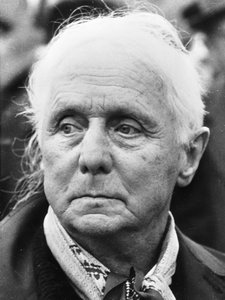
Max Ernst
1891 - 1976 , Německo
Rychlé informace o umělci
- Artistic Movement Or Style:
- Dadaismus
- Surrealismus
- Artists Or Movements Influenced By This Artist: ['Surrealismus']
- Artists Who Influenced This Artist:
- Pablo Picasso
- Vincent van Gogh
- Paul Gauguin
- Date Of Birth: 1891
- Date Of Death: 1976
- Full Name: Maximilian Maria Ernst
- Nationality: Němec
- Notable Artworks:
- The Entire City
- Euclides
- Of This Men Shall Know Nothing
- Forest and Dove
- Place Of Birth: Brühl, Německo
Související články

Unlocking the Unconscious: The Top 25 Masterpieces by Max Ernst
Step into the dreamscapes of Max Ernst. Explore 25 iconic Surrealist masterpieces, from pioneering collage to haunting landscapes. Find inspiration and museum-quality art reproductions for your collection. Discover all masterpieces on AllPaintingsStore.com.

25 Must-See Masterpieces by German Expressionist Ernst Ludwig Kirchner
Immerse yourself in the raw emotion of German Expressionism with our curated guide to the top 25 Ernst Ludwig Kirchner masterpieces. Explore iconic colors and bold textures through museum-quality art reproductions. Discover all masterpieces on AllPaintingsStore.com.

25 Masterpieces of Giorgio de Chirico: Exploring Metaphysical Art
Explore 25 iconic Giorgio de Chirico masterpieces and the mystery of Metaphysical art. Discover the full collection on AllPaintingsStore.com.


