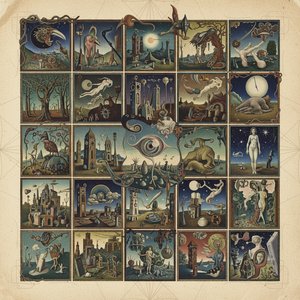
1913. , 80.0 x 67.0 cm.

§ 1Catalogue data

- 80.0 x 67.0 cm


Toto umělecké dílo je chráněno autorským právem
Umělecké dílo zobrazené na této stránce je chráněno autorským zákonem, což znamená, že nemůžeme legálně vytvářet ani prodávat jeho identickou reprodukci. Tato ochrana je vymáhána na základě mezinárodních dohod, jako například Berberská úmluva a národními zákony, včetně těch stanovených v Americký autorský zákon – Díl 17. Všechna práva vyhrazena.
Jako etická a právní alternativa nabízíme vlastní, ručně malovaná umělecká díla inspirovaná originálem. Naši zdatní a profesionální umělci si pečlivě studují styl, náladu a uměleckou podstatu originálu, aby vytvořili nové, jedinečné dílo, které vyvolává stejný pocit – přičemž zůstává samostatným originálním tvůrčím dílem.
Tato metoda je plně v souladu s autorským právem, protože nezahrnuje kopírování ani duplikování chráněného díla. Jde o kreativní reinterpretaci – nový obraz, který je inspirován originálem, ale není s ním identický.
 Více informací
§ 2Abstract
Popis sbírného předmětu
Max Ernst’s haunting ‘Crucifixion,’ painted in 1913, embodies surrealist drama with its stark depiction of Jesus on the cross against a monumental castle backdrop—a powerful testament to Ernst's intellectual exploration and artistic vision. Explore this iconic masterpiece and bring it into your home.
Biografie umělce
Max Ernst (1891–1976): Surrealist malíř, inovátor technik jako frottáž a koláž. Jeho díla evokují sny
§ 3Commentary
A Dramatic Encounter Between Faith and Fortress Walls
“Crucifixion,” painted by Max Ernst in 1913, isn’t merely a depiction of Jesus Christ on the cross; it's an arresting meditation on suffering, spirituality, and the confrontation between humanity and divine judgment. This monumental canvas—measuring 80 x 67 cm—immediately draws the eye with its stark composition and unsettling grandeur.
- Subject Matter: The central figure is Jesus Christ crucified, positioned prominently against a formidable castle-like structure. This architectural element isn’t simply decorative; it symbolizes authority, resilience, and perhaps even imprisonment – mirroring the spiritual struggle at the heart of the artwork.
- Style: Ernst's style aligns firmly within the burgeoning Surrealist movement. Rejecting rationalism and embracing dreamlike imagery, he employs techniques that prioritize subconscious exploration over literal representation. The painting eschews traditional perspective, favoring flattened planes and distorted forms to heighten emotional impact.
- Technique: Ernst utilized oil paint on canvas, applying a textured surface that contributes to the artwork’s palpable atmosphere. His brushstrokes are deliberate and expressive, conveying both meticulous observation and imaginative distortion. The artist skillfully blends colors—primarily muted browns and ochres—to create a palette that evokes feelings of solemnity and melancholy.
Historical Context: Seeds of Surrealism Bloom Amidst War Fears
Painted in the turbulent years leading up to World War I, “Crucifixion” reflects the anxieties and disillusionments prevalent within European intellectual circles at the time. Ernst’s fascination with psychoanalysis—particularly Sigmund Freud’s theories on dreams and unconscious desires—fueled his artistic impulse. Surrealism sought to liberate art from the constraints of reason, tapping into primal instincts and exploring the realm of irrationality as a pathway to truth.
- Symbolism: The castle backdrop serves as a potent symbol of oppression and confinement, representing not only earthly power but also spiritual limitations. Jesus’s outstretched arms symbolize humility and acceptance of suffering—a cornerstone of Christian theology. The angel figure, positioned high above the scene, embodies divine compassion and offers solace amidst despair.
- Emotional Impact: “Cruifixion” succeeds in conveying a profound sense of pathos. Ernst's masterful use of color and texture creates an immersive experience for the viewer, prompting contemplation on themes of mortality, faith, and redemption. The painting’s unsettling stillness amplifies its emotional resonance, inviting viewers to confront uncomfortable truths about human existence.
A Reproduction That Captures Essence
AllPaintingsStore.com offers exceptional reproductions of “Cruifixion,” meticulously crafted to faithfully reproduce Ernst's original vision. Utilizing archival-quality pigments and printing processes, our reproductions ensure vibrant color accuracy and enduring beauty—allowing art lovers everywhere to experience the power of this iconic masterpiece.
Otázky a odpovědi
Jakou převládající barvu má dílo „Crucifixion“ od Max Ernst?
Barvou, která v díle „Crucifixion“ nejvíce vyniká, je Phthalo Green (#2b2d3a). Dominantní barva je užitečná při sladění uměleckého díla s interiérem.
Z jaké země pochází dílo Surrealist Expression s názvem "Crucifixion"?
Dílo v rámci směru Surrealist Expression s názvem "Crucifixion" vytvořil umělec narozený v zemi Německo.
Jak je popsána barevná paleta díla „Crucifixion“ od Max Ernst?
Barvy díla „Crucifixion“ tvoří Earthy paletu. Tato klasifikace popisuje dominantní barevné skupiny.



 Přepnout na tisk


 U děl nebo reprodukcí, u nichž je jakákoliv strana větší než 105 cm (přibližně 41 palců), bude rám dodán jako sestava v rozloženém stavu. Tato metoda zajišťuje bezpečné doručení a chrání dílo před poškozením během přepravy.