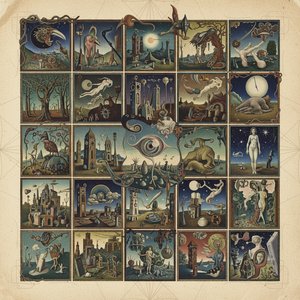
Acrylic On Canvas.

§ 1Catalogue data


Toto umělecké dílo je chráněno autorským právem
Umělecké dílo zobrazené na této stránce je chráněno autorským zákonem, což znamená, že nemůžeme legálně vytvářet ani prodávat jeho identickou reprodukci. Tato ochrana je vymáhána na základě mezinárodních dohod, jako například Berberská úmluva a národními zákony, včetně těch stanovených v Americký autorský zákon – Díl 17. Všechna práva vyhrazena.
Jako etická a právní alternativa nabízíme vlastní, ručně malovaná umělecká díla inspirovaná originálem. Naši zdatní a profesionální umělci si pečlivě studují styl, náladu a uměleckou podstatu originálu, aby vytvořili nové, jedinečné dílo, které vyvolává stejný pocit – přičemž zůstává samostatným originálním tvůrčím dílem.
Tato metoda je plně v souladu s autorským právem, protože nezahrnuje kopírování ani duplikování chráněného díla. Jde o kreativní reinterpretaci – nový obraz, který je inspirován originálem, ale není s ním identický.
 Více informací
§ 2Abstract
Popis sbírného předmětu
Max Ernst’s surreal ‘Le facteur Cheval’ presents a captivating man constructed from clocks, moons, and apples against a blue backdrop, embodying the artist's intellectual exploration of the subconscious. Discover this iconic work and bring its dreamlike vision home.
Biografie umělce
Max Ernst (1891–1976): Surrealist malíř, inovátor technik jako frottáž a koláž. Jeho díla evokují sny
§ 3Commentary
Max Ernst's "Le Facteur Cheval": A Surrealist Puzzle of Form and Meaning
Max Ernst’s “Le Facteur Cheval” (The Postman Cheval) is not merely a depiction of a man constructed from disparate objects; it’s an invitation to delve into the subconscious, a meditation on identity, and a testament to the power of artistic obsession. Painted in 1920, this enigmatic work exemplifies Ernst's pivotal role within the Surrealist movement, showcasing his unique approach to challenging conventional perceptions of reality. The painting immediately captivates with its bizarre yet strangely compelling composition – a solitary figure seemingly assembled from a collection of meticulously arranged objects: a clock face, a luminous moon, a blushing apple, and a delicate bird, all contributing to a tableau that defies easy interpretation.
A Biographical Context: Ernst's Quest for the Ideal
- Early Influences: Born in Brühl, Germany, in 1891, Max Ernst’s artistic trajectory was shaped by a complex interplay of influences. His father, a teacher of the deaf, fostered an appreciation for detail and a sensitivity to the world, while his own intellectual pursuits – encompassing philosophy, psychology, and literature – fueled a desire to explore the hidden dimensions of human experience.
- The Postman's Dream: The subject of the painting, Auguste Chevalier, was a real postman who built a house entirely out of letters. Ernst became fascinated by Chevalier’s dedication, viewing his project as an embodiment of the artist’s relentless pursuit of perfection and a rejection of bourgeois values.
- Surrealist Roots: “Le Facteur Cheval” emerged during Ernst's early involvement with the Surrealist movement, a group dedicated to unlocking the power of dreams and the irrational through artistic expression. The painting reflects the Surrealists’ interest in automatism – spontaneous creation without conscious control – and their exploration of psychological themes.
Symbolic Layers: Deconstructing the Image
The seemingly random arrangement of objects within “Le Facteur Cheval” is laden with symbolic meaning. The clock face, a recurring motif in Ernst’s work, represents time, memory, and the relentless march of existence. The moon, often associated with the subconscious and intuition, adds an element of mystery and dreamlike quality. The apple, a traditional symbol of temptation and knowledge, hints at forbidden desires and hidden truths. The bird, fragile and delicate, could represent freedom or vulnerability. These elements coalesce to create a powerful visual metaphor for the fragmented nature of identity and the struggle to find meaning in a chaotic world.
Technique and Artistic Style: Ernst's Pioneering Approach
Ernst’s technique in “Le Facteur Cheval” is characterized by meticulous detail and a masterful use of color. The blue background serves not merely as a backdrop but actively contributes to the painting’s unsettling atmosphere, enhancing the sense of disorientation and dreamlike quality. His application of paint – often employing techniques borrowed from woodcuts and engravings – creates a textured surface that adds to the work's tactile appeal. Ernst was a pioneer in exploring collage and assemblage within his paintings, foreshadowing later developments in Pop Art and Conceptual Art. The painting’s fragmented composition reflects Ernst’s interest in dismantling traditional representational forms and challenging viewers to actively engage with the artwork.
Emotional Impact and Legacy
"Le Facteur Cheval" continues to resonate with audiences today because of its profound exploration of fundamental human concerns: identity, perception, and the search for meaning. It’s a work that demands contemplation, inviting viewers to confront their own subconscious desires and anxieties. As a key example of Surrealist art, it demonstrates Ernst's ability to create visually arresting and intellectually stimulating works that remain relevant in the 21st century. This painting is more than just an image; it’s a portal into the mind of one of the most innovative artists of the 20th century.
Otázky a odpovědi
Jaké emoce vyvolává „Le facteur Cheval“ od Max Ernst?
Emocionální náboj díla „Le facteur Cheval“ od Max Ernst je Mysterious. Tento údaj vystihuje pocity, které toto dílo vyjadřuje.
Jakou atmosféru vyzařuje dílo "Le facteur Cheval"?
„Le facteur Cheval“ má Mystical atmosféru.
Jaká je převládající barva díla „Le facteur Cheval“ od Max Ernst?
„Le facteur Cheval“ má převládající Ochre to Sepia tón.



 Přepnout na tisk


 U děl nebo reprodukcí, u nichž je jakákoliv strana větší než 105 cm (přibližně 41 palců), bude rám dodán jako sestava v rozloženém stavu. Tato metoda zajišťuje bezpečné doručení a chrání dílo před poškozením během přepravy.