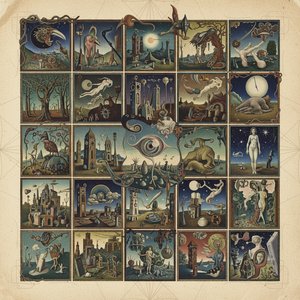
1930. Collage, 100.0 x 180.0 cm.

§ 1Katalogová data

- 100.0 x 180.0 cm


Toto umělecké dílo je chráněno autorským právem
Umělecké dílo zobrazené na této stránce je chráněno autorským zákonem, což znamená, že nemůžeme legálně vytvářet ani prodávat jeho identickou reprodukci. Tato ochrana je vymáhána na základě mezinárodních dohod, jako například Berberská úmluva a národními zákony, včetně těch stanovených v Americký autorský zákon – Díl 17. Všechna práva vyhrazena.
Jako etická a právní alternativa nabízíme vlastní, ručně malovaná umělecká díla inspirovaná originálem. Naši zdatní a profesionální umělci si pečlivě studují styl, náladu a uměleckou podstatu originálu, aby vytvořili nové, jedinečné dílo, které vyvolává stejný pocit – přičemž zůstává samostatným originálním tvůrčím dílem.
Tato metoda je plně v souladu s autorským právem, protože nezahrnuje kopírování ani duplikování chráněného díla. Jde o kreativní reinterpretaci – nový obraz, který je inspirován originálem, ale není s ním identický.
 Více informací
§ 2Abstraktní
Popis sbírného předmětu
Max Ernst's 'Loplop Introduces Loplop' (1930) is a surreal collage masterpiece featuring two dragons and a vintage photograph, embodying Dadaism’s playful challenge to reality. Explore its layered symbolism & artistic innovation.
Biografie umělce
Max Ernst (1891–1976): Surrealist malíř, inovátor technik jako frottáž a koláž. Jeho díla evokují sny
§ 3Komentář
A Surreal Encounter: Max Ernst’s “Loplop Introduces Loplop”
Max Ernst's "Loplop Introduces Loplop," painted in 1930, isn’t merely a visual composition; it’s an invitation into the wonderfully disorienting world of Dadaism and Surrealism. This large-scale collage—measuring a substantial 100 x 180 cm—captures a fleeting moment of interaction between two fantastical creatures: dragons or lizards, rendered with Ernst's signature blend of meticulous detail and dreamlike abstraction. The painting immediately draws the eye to the central element – a framed photograph depicting an older couple, seemingly unearthed from the past. This juxtaposition is key to understanding the work’s profound impact; it’s not simply about two mythical beasts, but about the collision between memory, fantasy, and reality.
Born in Brühl, Germany, in 1891, Max Ernst was a restless innovator who rejected conventional artistic paths. His early exposure to philosophy and psychology profoundly shaped his approach to art, leading him to explore themes of identity, subconsciousness, and the very nature of perception. He wasn’t interested in replicating reality; instead, he sought to unlock its hidden potential through techniques like collage, frottage (a rubbing technique), and assemblage – methods that allowed him to create images born from chance encounters and deliberate disruptions.
The Dadaist Genesis: Challenging Conventions
“Loplop Introduces Loplop” is deeply rooted in the spirit of the Dada movement, which erupted in the wake of World War I as a visceral reaction against the established order. Dada artists deliberately dismantled traditional notions of art and beauty, embracing absurdity, chance, and anti-rationality. They sought to expose the hypocrisy and irrationality they perceived within society, using humor, satire, and provocation as their weapons. Ernst’s work exemplifies this ethos; the seemingly random arrangement of elements—the dragons, the photograph, the framing device—challenges our assumptions about meaning and representation.
The collage technique itself is central to the painting's power. Ernst meticulously cut and pasted together various materials – fragments of printed paper, wood, and potentially even photographic prints – creating a textured surface that invites close examination. This layering of disparate elements mirrors the fragmented nature of memory and experience, reflecting the Surrealist fascination with the unconscious mind.
Symbolism and Narrative Layers
The inclusion of the photograph introduces a layer of narrative complexity. The elderly couple within the frame represents a connection to the past, perhaps suggesting themes of nostalgia, loss, or the passage of time. The dragons, rendered in muted tones and possessing an almost otherworldly quality, could be interpreted as guardians of memory, protectors of secrets, or even symbolic representations of primal instincts. Their interaction with the photograph suggests a dialogue between the present and the past—a questioning of how we remember and interpret our history.
The title itself, “Loplop Introduces Loplop,” is deliberately enigmatic. “Loplop” – often referred to as the "Bird Superior" – became an alter ego for Ernst, a recurring figure in his work who served as both narrator and observer. His inclusion of himself within the composition subtly reinforces this idea—he’s not simply presenting us with a scene; he's inviting us into his own surreal world.
A Reproduction Worth Admiring
"Loplop Introduces Loplop" is more than just a painting; it’s a portal to the subconscious. AllPaintingsStore offers meticulously crafted hand-painted reproductions that faithfully capture the essence of this iconic work, allowing you to bring its captivating imagery into your home or office. Each reproduction is created by skilled artists using archival-quality materials, ensuring lasting beauty and vibrancy. Consider commissioning a reproduction – a tangible reminder of Ernst’s revolutionary vision and a conversation starter for years to come.
To learn more about Max Ernst and his artistic journey, visit our artist page or explore related works on our website: Loplop Introduces Loplop by Max Ernst.
Otázky a odpovědi
Existuje k dílu „Loplop Introduces Loplop“ od Max Ernst informační list pro studenty?
Stránka Průvodce pro studenty díla „Loplop Introduces Loplop“ od Max Ernst nabízí tištěný dvoulistový informační list: samotné umělecké dílo s identifikační tabulkou, časovou osu situující dílo do období života umělce, další díla daného autora, naměřenou barevnou paletu a citace ve čtyřech stylech připravené pro okamžité zkopírování.
Jak světlý je celkově obraz "Loplop Introduces Loplop"?
Z hlediska vnímané jasnosti je dílo „Loplop Introduces Loplop“ od Max Ernst shadow.
Jak mohu získat digitální kopii díla „Loplop Introduces Loplop“ od Max Ernst?
Digitální kopii díla „Loplop Introduces Loplop“ od Max Ernst si můžete objednat jako stažení digitálního obrazu ve vysokém rozlišení na jeho stránce Digitální snímek.



 Přepnout na tisk


 U děl nebo reprodukcí, u nichž je jakákoliv strana větší než 105 cm (přibližně 41 palců), bude rám dodán jako sestava v rozloženém stavu. Tato metoda zajišťuje bezpečné doručení a chrání dílo před poškozením během přepravy.