

Acrylic On Canvas.

§ 1Catalogue data

Toto umělecké dílo je chráněno autorským právem
Umělecké dílo zobrazené na této stránce je chráněno autorským zákonem, což znamená, že nemůžeme legálně vytvářet ani prodávat jeho identickou reprodukci. Tato ochrana je vymáhána na základě mezinárodních dohod, jako například Berberská úmluva a národními zákony, včetně těch stanovených v Americký autorský zákon – Díl 17. Všechna práva vyhrazena.
Jako etická a právní alternativa nabízíme vlastní, ručně malovaná umělecká díla inspirovaná originálem. Naši zdatní a profesionální umělci si pečlivě studují styl, náladu a uměleckou podstatu originálu, aby vytvořili nové, jedinečné dílo, které vyvolává stejný pocit – přičemž zůstává samostatným originálním tvůrčím dílem.
Tato metoda je plně v souladu s autorským právem, protože nezahrnuje kopírování ani duplikování chráněného díla. Jde o kreativní reinterpretaci – nový obraz, který je inspirován originálem, ale není s ním identický.
 Více informací
§ 2Abstract
Popis sbírného předmětu
Biografie umělce
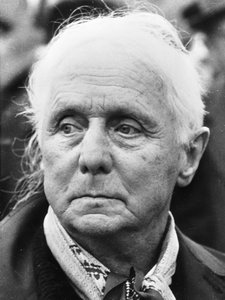
Max Ernst (1891–1976): Surrealist malíř, inovátor technik jako frottáž a koláž. Jeho díla evokují sny
§ 3Commentary
Oiseau vert: A Surrealist Echo of Childhood Loss
Max Ernst’s “Oiseau vert,” a deceptively simple etching and aquatint depicting a bird adorned with spiraling patterns, transcends mere visual representation. It embodies the core tenets of Surrealism—a deliberate confrontation with the subconscious mind and an exploration of dreamlike imagery—and stands as a poignant testament to Ernst’s personal history.
- Subject Matter: The bird itself is rendered in shades of blue, immediately establishing a connection to themes of serenity and contemplation. However, its dominant feature – the intricate spiral design – isn't merely decorative; it symbolizes regeneration, cyclical time, and the transformative power of imagination. Spirals are found throughout Ernst’s oeuvre, representing journeys inward and outward, mirroring the artist’s own intellectual quest.
- Style & Technique: Ernst’s masterful execution showcases his signature frottage technique—a method he discovered serendipitously during a rainy afternoon in Pornic, France. As documented in Bukowskis auction records, Ernst described how rubbing a pencil across textured surfaces like burlap or wood unlocked unexpected visual impulses. This process deliberately disrupts conventional artistic conventions, prioritizing spontaneity and intuition over meticulous planning.
- Historical Context: Created in 1965, “Oiseau vert” emerged from the fertile ground of Surrealism’s heyday—a movement born out of Dada’s rejection of rationality during World War I. Ernst's exploration of psychological landscapes aligns perfectly with Surrealist artists like Yves Tanguy and Urs Fischer who sought to capture the elusive realm of dreams and unconscious desires.
- Symbolism: The bird, as a recurring motif in Ernst’s work, represents freedom—a concept deeply intertwined with his childhood experience. Ernst recounted how the death of his beloved parrot Hornebom coincided with his sister Loni's birth, triggering an imaginative leap where he envisioned Loni as Hornebom’s reincarnation. This narrative informs Lop Lop, Ernst’s alter ego – a mystical bird embodying liberation born from mortality—and underscores the artist’s preoccupation with confronting existential anxieties.
- Emotional Impact: “Oiseau vert” invites viewers to contemplate themes of loss and rebirth. The delicate etching captures a moment of quiet contemplation, mirroring Ernst's own introspective approach to artmaking. Its understated beauty speaks volumes about the power of Surrealism to evoke profound emotional responses and stimulate imaginative thought.
Further exploration into Max Ernst’s artistic journey can be found on Max Ernst’s Artist Database, where you can discover his groundbreaking contributions to Surrealism and Dada. Also, consider examining similar artworks by Ruan Zude (Ruan Zude’s Artist Database) or Urs Fischer (Yves Tanguy & Urs Fischer Artists Database), artists who share Ernst's fascination with dreamlike imagery and unconventional techniques.
Otázky a odpovědi
Do které místnosti by se vzhledem k barevné paletě doporučovalo umístit dílo "Oiseau vert"?
Vzhledem k jeho Neutrals barevnosti je dílo „Oiseau vert“ doporučeno do místnosti Living Room.
K jakému využití se doporučuje „Oiseau vert“ od Max Ernst?
Reprodukci díla „Oiseau vert“ od Max Ernst doporučujeme pro Accent. Toto doporučení vychází z tématu, nálady a barevnosti tohoto díla.
Kde mohu najít statistiky k dílu „Oiseau vert“ od Max Ernst?
Pro dílo „Oiseau vert“ je k dispozici stránka Statistiky. Zobrazuje měsíční počet návštěv tohoto díla i dalších děl daného umělce s rozpadem podle zemí a jazyků.


 Přepnout na tisk


 U děl nebo reprodukcí, u nichž je jakákoliv strana větší než 105 cm (přibližně 41 palců), bude rám dodán jako sestava v rozloženém stavu. Tato metoda zajišťuje bezpečné doručení a chrání dílo před poškozením během přepravy.


