Acrylic.

§ 1Catalogue data

Toto umělecké dílo je chráněno autorským právem
Umělecké dílo zobrazené na této stránce je chráněno autorským zákonem, což znamená, že nemůžeme legálně vytvářet ani prodávat jeho identickou reprodukci. Tato ochrana je vymáhána na základě mezinárodních dohod, jako například Berberská úmluva a národními zákony, včetně těch stanovených v Americký autorský zákon – Díl 17. Všechna práva vyhrazena.
Jako etická a právní alternativa nabízíme vlastní, ručně malovaná umělecká díla inspirovaná originálem. Naši zdatní a profesionální umělci si pečlivě studují styl, náladu a uměleckou podstatu originálu, aby vytvořili nové, jedinečné dílo, které vyvolává stejný pocit – přičemž zůstává samostatným originálním tvůrčím dílem.
Tato metoda je plně v souladu s autorským právem, protože nezahrnuje kopírování ani duplikování chráněného díla. Jde o kreativní reinterpretaci – nový obraz, který je inspirován originálem, ale není s ním identický.
 Více informací
§ 2Abstract
Popis sbírného předmětu
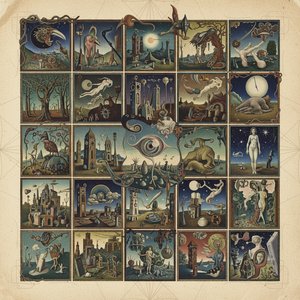
Explore Max Ernst’s surrealist masterpiece, ‘untitled (2931)’—a captivating depiction of two bird-headed figures embodying philosophical contemplation alongside musical expression. This iconic artwork from the 1930s invites you to immerse yourself in Ernst's visionary style and bring home a timeless piece of art history.
Biografie umělce
Max Ernst (1891–1976): Surrealist malíř, inovátor technik jako frottáž a koláž. Jeho díla evokují sny
§ 3Commentary
A Surrealist Encounter: Decoding Max Ernst’s “Untitled (2931)”
The painting "Untitled (2930)" by Max Ernst is more than just a visual spectacle; it's an invitation into the labyrinthine realm of surrealism, where logic yields to dreamlike imagery and subconscious desires surface as tangible forms. Executed sometime between 1940 and 1945 during Ernst’s prolific period in Paris—a city brimming with artistic ferment following World War II—this artwork exemplifies the movement's core tenets: automatism, juxtaposition of incongruous elements, and exploration of psychological landscapes.- Subject Matter & Composition:
- At first glance, the painting presents a striking duality. A man with avian features—a bird’s head replacing his human face—stands rigidly on one leg, clutching a guitar as if attempting to maintain equilibrium amidst an unsettling stillness. Beside him is a woman adorned in a mask, mirroring Ernst's fascination with concealment and transformation. The placement of these figures alongside a clock and a chair subtly underscores themes of time, confinement, and domesticity – concepts frequently interrogated by Surrealist artists.
Stylistic Innovation: Automatism and Collage Techniques
Ernst’s artistic process was revolutionary for its time. He championed automatism—a technique deliberately designed to bypass conscious thought—resulting in spontaneous drawings and paintings that captured the essence of unconscious impulses. This method is brilliantly realized here through collage, where Ernst meticulously assembled fragments of various materials – paper, wood grain, and possibly even printed images – onto a canvas surface. The resulting texture adds depth and complexity to the composition, mirroring the fragmented nature of dreams themselves. The deliberate blurring of boundaries between reality and fantasy speaks directly to Surrealist ideals.- Color Palette & Texture:
- The painting’s color palette is muted yet evocative, dominated by earthy tones—browns, ochres, and greys—that contribute to the artwork's melancholic atmosphere. Ernst skillfully employs layering techniques to build up texture, creating a palpable sense of materiality that contrasts sharply with the ethereal quality of the figures. This textural richness enhances the viewer’s engagement with the piece and reinforces its connection to the natural world.
Symbolism: Bird Heads and Masks – Representations of Transformation
The recurring motif of bird heads—present in both the man and woman—holds profound symbolic significance within Surrealist art. Birds are traditionally associated with freedom, aspiration, and transcendence, representing a desire to escape earthly constraints. Ernst’s use of masks amplifies this symbolism, suggesting hidden identities and suppressed emotions. The mask obscures what lies beneath, prompting contemplation about inner selves and the complexities of human experience. Furthermore, the guitar symbolizes creativity and expression—a tool for navigating the subconscious and articulating unspoken feelings.- Historical Context: Surrealism After WWII:
- “Untitled (2930)” emerged from the crucible of postwar Europe, where Surrealist artists wrestled with anxieties surrounding trauma, disillusionment, and the looming threat of nuclear annihilation. Ernst’s work embodies the movement's commitment to confronting irrational fears and challenging conventional notions of reason—a reaction against the horrors witnessed during the war years. It stands as a testament to Surrealism’s enduring power to provoke thought and inspire artistic innovation.
Emotional Resonance: A Meditation on Isolation and Desire
Ultimately, “Untitled (2930)” transcends mere visual representation; it invites viewers into a contemplative dialogue about the human condition. The figures’ posture conveys a sense of vulnerability and isolation—a reflection of the psychological landscape explored by Ernst himself. Yet, simultaneously, the guitar symbolizes an attempt to communicate, to assert oneself amidst uncertainty. The painting's haunting beauty lies in its ability to capture the elusive essence of desire—the yearning for connection and transformation that resides at the core of our subconscious minds.Otázky a odpovědi
Jakou technikou je vytvořeno dílo "untitled (2931)"?
Max Ernst pro dílo „untitled (2931)“ použil/a techniku Acrylic. Tato technika definuje materiální podstatu originálního díla.
Je dílo "untitled (2931)" k dispozici jako umělecká tisknutá reprodukce?
Dílo "untitled (2931)" je k dispozici jako umělecký tisk na bavlněném plátně nebo archivním plátnovém papíře. Objednávku můžete zadat na stránce Kvalitní umělecký tisk v požadované velikosti.
Kdo vytvořil dílo "untitled (2931)" a v jakém stylu je zpracováno?
Autorem díla "untitled (2931)" je Max Ernst, který patřil k hnutí Surrealist Expression.



 Přepnout na tisk


 U děl nebo reprodukcí, u nichž je jakákoliv strana větší než 105 cm (přibližně 41 palců), bude rám dodán jako sestava v rozloženém stavu. Tato metoda zajišťuje bezpečné doručení a chrání dílo před poškozením během přepravy.