

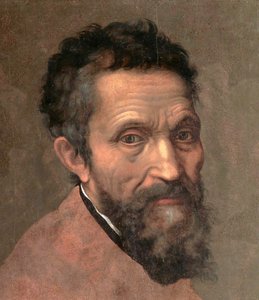
1497. Acrylic On Canvas. Museo Nazionale del Bargello.

§ 1Katalogová data


§ 2Abstraktní
Popis sbírného předmětu
 Zobrazit více
Biografie umělce
Michelangelo Buonarroti (1475-1564): geniální sochař, malíř & architekt, mistr David, Pietá a fresk z Svaté kaple. Jeho díla definují vrcholnou renesanci.
§ 3Komentář
Michelangelo Buonarroti’s Bacchus: A Testament to Renaissance Idealism
Michelangelo Buonarroti, a name synonymous with the High Renaissance, resonates through centuries as a testament to human artistic potential. Born on March 6, 1475, in Caprese Michelangelo, nestled in the Tuscan hills of Italy, his life was an extraordinary convergence of talent, ambition, and divine inspiration. Though initially met with resistance from his father regarding an artistic path, young Michelangelo’s innate gift for drawing proved undeniable, setting him on a course to redefine the boundaries of sculpture, painting, and architecture.
The statue of Bacchus, sculpted by Michelangelo in 1497, stands as a cornerstone of Renaissance art—a masterful embodiment of classical ideals infused with humanist sensibilities. Crafted from Carrara marble, renowned for its purity and luminosity, it exemplifies Michelangelo’s unparalleled skill in capturing the human form and conveying emotion through stone.
- Subject Matter: The sculpture depicts Bacchus, the Roman god of wine, fertility, and revelry—a figure steeped in mythology and representing abundance and sensual pleasure.
- Style: Michelangelo’s style is characterized by anatomical precision, idealized beauty, and a dramatic sense of movement. He meticulously studied classical sculptures to achieve this level of realism while elevating the human form to divine proportions.
- Technique: Michelangelo employed subtractive sculpting techniques—chiseling away excess marble to reveal the underlying form—a method perfected during his apprenticeship under Ghirlandaio and honed throughout his prolific career.
Historical Context: Commissioned by Cardinal Riario, Bacchus reflects the artistic fervor of Florence during the Renaissance, a period marked by renewed interest in Greco-Roman culture and humanist thought. The statue’s placement at Palazzo di Riario underscored its significance as a symbol of aristocratic patronage and intellectual prestige.
Symbolism: Beyond its depiction of Dionysian ecstasy, Bacchus embodies several symbolic elements crucial to Renaissance art. The wreath of grapes signifies fertility and prosperity—themes central to humanist ideals—while the satyr companion represents primal instinct and earthly pleasures. Michelangelo’s masterful portrayal captures not merely a physical likeness but also an emotional essence, conveying the god's contemplative gaze and subtle gesture.
Emotional Impact: Viewing Bacchus evokes contemplation and admiration for Michelangelo’s artistic genius. The statue’s serene posture and expressive face invite viewers to consider themes of beauty, spirituality, and human experience—a legacy that continues to inspire artists and collectors alike. Its enduring presence in the Bargello National Museum serves as a reminder of the transformative power of art.
Otázky a odpovědi
Jakou luminanci má dílo „Bacchus“ od Michelangelo Buonarroti?
Luminance zaznamenaná pro dílo „Bacchus“ od Michelangelo Buonarroti je Soft Shadow.
K kterému uměleckému směru patří „Bacchus“ od Michelangelo Buonarroti?
Umělecký směr, ke kterému patří dílo „Bacchus“ od Michelangelo Buonarroti, je Renaissance Sculpture. Tato klasifikace toto dílo umísťuje mezi související umělce a další umělecká díla.
Lze dílo „Bacchus“ od Michelangelo Buonarroti, které je uloženo v Museo Nazionale del Bargello, legálně reprodukovat?
Dílo „Bacchus“ od Michelangelo Buonarroti se nachází ve sbírce Museo Nazionale del Bargello a spadá do v rámci volného užití – autorská práva vypršela. Tento stav určuje, zda lze vytvářet reprodukce tohoto obrazu.


 Přepnout na tisk


 U děl nebo reprodukcí, u nichž je jakákoliv strana větší než 105 cm (přibližně 41 palců), bude rám dodán jako sestava v rozloženém stavu. Tato metoda zajišťuje bezpečné doručení a chrání dílo před poškozením během přepravy.



