


 Náhled
 Sdílet
 Sdílet
 Podrobnosti o díle

 Stáhnout
 Podobné položky
 Rentgenové snímky
 Slideshow
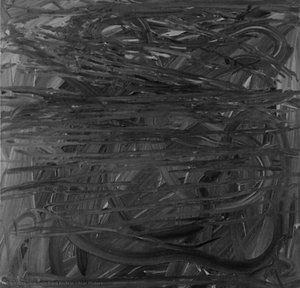
Silver Thoughts
 1973
1973 60.0 x 45.0 cm
 Zobrazit více
Ručně malovaná olejová reprodukce
Ručně malovaná olejná barva na plátně ve vašem zvoleném rozměru i s rámem, vyrobená našimi umělci na zakázku. ( Koupit tisk Koupit obrázek)




































Vyberte si z našich přednastavených velikostí, které odpovídají původním proporcím díla.

Můžete zadat vlastní rozměry pro konkrétní rám nebo prostor. Pokud se vámi vybraná velikost neshoduje s proporcemi původního obrazu, dílo buď ořízneme, nebo jej doplníme ručně malovanými prvky. Před zahájením výroby vám bude zaslán digitální náhled ke schválení.
Upozorňujeme, že náhled na obrazovce neodpovídá skutečnému ořezu ani rozšíření. Pouze digitální náhled přesně zobrazí finální kompozici.
Ačkoliv je možné zvolit vlastní velikost, pro zachování původních proporcí doporučujeme vybrat rozměr z předdefinovaného seznamu.
Po přijetí objednávky vám tým AllPaintingsStore.com zašle e-mail s pokyny a poskytne náhledovou verzi.
Celosvětová doprava () za 3–4 týdny namísto standardních 5 týdnů. (18 srpen). Bez kompromisů v kvalitě.

Zdarma celosvětová expresní doprava

Vysoce kvalitní lněné plátno

Kompletní přepravní pojištění

Záruka vrácení celního poplatku

Záruka přesného barevného shodu

60denní lhůta pro vrácení zboží (pouze při vadách výroby)

100% garance vrácení peněz

Sleva při hromadné objednávce
 Skleněná varianta je dostupná pouze u rozměrů menších než 110 cm

Silver Thoughts
Technika reprodukce
Rozměry reprodukce
-


Celková cena za výběr
$ 258
Popis díla
Podobná umělecká díla


Biografie umělce
The Architect of the Everyday: The Life and Legacy of Milan Knížák
In the turbulent landscape of mid-twentieth-century Eastern Europe, where the boundaries between private thought and public existence were strictly policed, Milan Knížák emerged as a profound force of creative rebellion. Born in 1940 in Plzeň, Czech Republic, Knížák did not merely participate in the art world; he sought to dismantle the very walls that separated art from life. His journey began in the shadow of a complex political reality, shaped by an upbringing that valued intellectual rigor and artistic curiosity. As a child of the post-war era, his early years were marked by movement and the shifting borders of a changing Europe, eventually settling into a life where the act of creation became a vital form of political dissidence.
Knížák’s artistic evolution is inseparable from his role as a pioneer of the Fluxus movement and the organizer of the first Happenings in Czechoslovakia. In the early 1960s, he moved away from traditional mediums to embrace what he termed Ceremonies and Demonstrations—events that spilled out of galleries and into the streets. Through his social organization, Aktuální umění (Actual Art), Knížák championed a philosophy where art was not an object to be viewed in silence, but a participatory experience designed to awaken the senses. His work during this period was characterized by a raw, visceral energy, utilizing noise music, graphic experimentation, and ephemeral installations to challenge the stagnant atmosphere of the era.
A Symphony of Chaos and Connection
To understand Knížák is to understand the beauty found within dissonance. As a noise musician and installation artist, he utilized sound and space to create immersive environments that mirrored the unpredictability of human existence. His approach was deeply influenced by the avant-garde traditions of Dada and Futurism, yet he infused them with a uniquely Czech perspective on survival and spontaneity. His "happenings" were often much more than mere performances; they were social interventions intended to foster a sense of community and shared awareness among participants, even as he faced intense surveillance from State Security.
The technical breadth of his oeuvre is staggering, spanning across various disciplines:
- Performance Art: Creating spontaneous, street-based actions that blurred the line between actor and spectator.
- Noise Music: Utilizing experimental soundscapes to challenge traditional notions of melody and harmony.
- Graphic Art and Mail Art: Using print and correspondence to bypass censorship and connect with a global network of artists.
- Sculpture and Installation: Constructing physical environments that demand an active, sensory engagement from the viewer.
Resilience Amidst Dissidence
The historical significance of Milan Knížák lies not only in his aesthetic contributions but in his unwavering courage. Living under the watchful eye of a regime that viewed his "Actual Art" as a hostile threat, he navigated the perils of being a political dissident with profound grace. His travels to the United States between 1968 and 1970 allowed him to bridge the gap between the Eastern Bloc avant-garde and the international Fluxus community, ensuring that the spirit of Czech experimentalism could resonate far beyond the Iron Curtain. Despite periods of professional hardship and state scrutiny, his commitment to the fusion of art and life remained unshakable.
In his later years, Knížák transitioned into roles of immense institutional influence, serving as the Rector of the Academy of Fine Arts in Prague and the Director of the National Gallery in Prague. These positions allowed him to shape the future of art education and curation in his homeland, bringing a lifetime of radical experience to the heart of the establishment. Today, he remains a towering figure of the avant-garde, a man whose life work serves as a testament to the power of creativity to transcend political boundaries and redefine the very essence of what it means to be alive.

milan knížák
1940 - , Czech Republic
Rychlé fakta
- Artistic Movement Or Style: Fluxus
- Artists Or Movements Influenced By This Artist: ['Minimal Art']
- Artists Who Influenced This Artist:
- Allan Kaprow
- Jean-Jacques Lebel
- Date Of Birth: April 1940
- Full Name: Milan Knížák
- Nationality: Czech
- Notable Artworks: ['Silver Thoughts']
- Place Of Birth: Plzen, Czech Republic



