


 Zobrazit v interiéru
 Odeslat
 Sdílet
 Podrobnosti
 Průvodce

 Stáhnout obrázek
 Podobné kousky
 Rentgenové snímky
 Slideshow
 Statistiky
Cows under Trees
 Romantic Landscape
 19.0 x 26.0 cm
 Přečíst si více
Umělecké dílo zobrazené na této stránce je chráněno autorským zákonem, což znamená, že nemůžeme legálně vytvářet ani prodávat jeho identickou reprodukci. Tato ochrana je vymáhána na základě mezinárodních dohod, jako například Berberská úmluva a národními zákony, včetně těch stanovených v Americký autorský zákon – Díl 17. Všechna práva vyhrazena.
Tato metoda je plně v souladu s autorským právem, protože nezahrnuje kopírování ani duplikování chráněného díla. Jde o kreativní reinterpretaci – nový obraz, který je inspirován originálem, ale není s ním identický.
Giclée / Umělecký tisk
Giclée nebo plátěný tisk muzeální kvality s rychlou výrobou a širokou nabídkou povrchových úprav. ( Objednat ručně malovanou reprodukci Přepnout na digitální verzi obrazu)




































Vyberte si z našich přednastavených velikostí, které odpovídají původním proporcím díla.

Zadejte šířku a výšku, které potřebujete pro váš rám nebo stěnu. Tisk lze pouze oříznout, nikdy však nelze zvětšit obraz nad jeho původní rozměr, proto při výběru jiného formátu dochází ke ztrátě části obrazu. Před samotným tiskem vám zašleme digitální náhled k schválení. Obraz zobrazený na této stránce nenabízí skutečný výřez — ten uvidíte pouze v náhledu.
Celosvětové doručení () do 2 týdnů namísto standardních 4/5 týdnů. (24 říjen)

Zdarma celosvětová expresní doprava

Vysoce kvalitní lněné plátno

Úplné pojištění přepravy

Záruka vrácení celního poplatku

Záruka věrného barevného shodu

100dení lhůta pro vrácení zboží (pouze při vadách výroby)

100% garance vrácení peněz

Sleva při více objednávkách
 Skleněná varianta je dostupná pouze u rozměrů menších než 110 cm

Cows under Trees
Giclée / Umělecký tisk
Velikost reprodukce
-


Celková cena
Kč 1373
Související díla

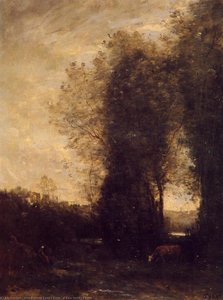


Biografie umělce
Nathaniel Hone II: Bridging Romantic Vision and Artistic Authenticity
Nathaniel Hone II (born c. 1837, Edinburgh; died 1910, London) stands as a singular figure in Victorian art—a painter whose prolific output defied categorization and whose reputation endured considerable controversy throughout his lifetime. He achieved renown primarily for his landscapes of Cornwall and Wales, imbued with an atmospheric Romantic sensibility that nonetheless possessed a meticulous technical precision uncommon among his peers. Hone’s artistic journey was marked by experimentation, forgery accusations, and ultimately, a legacy as both celebrated artist and enigmatic manipulator of the art market.Early Life and Artistic Training
Born into a family steeped in Scottish intellectual tradition—his father, William Hone Sr., was a journalist known for satirical commentary—Nathaniel Hone II received an education that fostered critical thinking alongside artistic aptitude. He studied at Edinburgh Academy and subsequently pursued formal training under John Atkinson Grimshaw, a prominent landscape painter whose influence is palpable in Hone’s stylistic choices. Grimshaw championed the importance of tonal gradation and atmospheric perspective, principles Hone diligently incorporated into his canvases—a cornerstone of his distinctive approach to capturing the sublime beauty of nature. This dedication to meticulous observation and skillful execution would become central to Hone's artistic identity.Cornish Landscapes: A Synthesis of Romantic Idealism
Hone’s fame solidified through his series of Cornish landscapes—a breathtaking collection totaling over 150 paintings depicting dramatic coastal vistas, rugged moorlands, and serene estuaries. These works exemplify the Romantic preoccupation with sublime beauty—the awe-inspiring grandeur of nature perceived as both powerful and spiritually transformative. Hone's technique transcended mere imitation; he achieved remarkable tonal accuracy through painstaking layering of oil paints, capturing subtle nuances of light and shadow that conveyed an unparalleled sense of realism. Notable paintings include “The Pont du Gard,” a monumental depiction of the Roman aqueduct bathed in misty sunlight—a testament to Hone’s mastery of atmospheric illusion—and "The Derelict," which portrays a crumbling ruin amidst windswept dunes, reflecting themes of decay and resilience. The artist's meticulous attention to detail—particularly his ability to convey the feeling of wind and rain—established him as one of the foremost landscape painters of his era.Forgery Scandal and Artistic Reputation
Despite his artistic accomplishments, Hone’s career was shadowed by a sensational forgery scandal that erupted in 1893. He was implicated in the fabrication of copies of paintings attributed to Eugène Delacroix and Frédéric Chopin—a revelation that shook the art world and tarnished his reputation. While investigators ultimately exonerated Hone of criminal wrongdoing, the affair fueled speculation about his artistic methods and challenged perceptions of his integrity. The scandal underscored the complexities inherent in assessing an artist’s oeuvre—particularly when confronted with questions of authenticity and deception—and prompted a critical reevaluation of Hone's contribution to Victorian art history. Nevertheless, Hone’s unwavering commitment to capturing the essence of Romantic idealism ensured that his artistic legacy endured beyond the controversy surrounding his personal conduct.Legacy and Historical Significance
Nathaniel Hone II's enduring legacy resides not merely in his impressive body of work but also in his role as a catalyst for debate within Victorian artistic circles. He championed a distinctive approach to landscape painting—one that prioritized tonal subtlety and atmospheric illusion over conventional representation—influencing subsequent generations of artists. Furthermore, his involvement in the forgery controversy served as a cautionary tale about the pressures exerted by commercial interests on artistic creativity and underscored the importance of upholding ethical standards within the art profession. Hone II remains an artist whose paintings embody both Romantic idealism and artistic innovation—a figure whose contribution to Victorian art history continues to inspire scholarly inquiry and captivate collectors worldwide, securing his place as one of the most significant landscape painters of the 19th century.
Nathaniel Hone Ii
Škotsko
Rychlé informace
- Artistic Movement Or Style: Romanticism
- Date Of Death: 1910
- Full Name: Nathaniel Hone II
- Nationality: British
- Notable Artworks:
- The Pont du Gard
- The Derelict
- Place Of Birth: Edinburgh, Scotland
Související články

Romantická krajina v malbě: 10 mistrovských děl, které definovaly umělecký proud | AllPaintingsStore
Prozkoumejte 10 ikonických děl romantické krajinářské malby! Objevte příběhy Caspara Davida Friedricha, Turnera a dalších mistrů. Reprodukce obrazů nejvyšší kvality pro váš interiér na AllPaintingsStore.com.

Evocations of Place: A Historical Journey Through Landscape Art
Explore the rich history of landscape art with AllPaintingsStore. Discover renowned artists, movements like Impressionism & Romanticism, and expert guidance for collecting timeless pieces. Find your perfect serene escape today!
The Sublime and the Picturesque: Exploring Emotion & Nature in Romantic Landscape Painting
Explore the emotional power of Romantic landscape painting! Discover the sublime & picturesque aesthetics, key artists like Friedrich & Cole, and lasting influence on art history. Find your perfect piece at AllPaintingsStore.

The Sublime and the Picturesque: Exploring Emotion & Nature in Romantic Landscape Painting
Explore the emotional power of Romantic landscape painting! Discover the sublime & picturesque traditions, key artists like Friedrich & Cole, and find your perfect artwork at AllPaintingsStore.

John Constable: 25 mistrovských děl krajinářské poezie | AllPaintingsStore.com
Prozkoumejte 25 ikonických děl Johna Constabla, mistra anglického krajinářství a romantismu. Obdivujte jeho olejomalby, plátna s venkovskou atmosférou a inspirujte se pro dekoraci interiéru. Reprodukce obrazů nejvyšší kvality na AllPaintingsStore.com

