- Domů

- Tisk na plátno
- Nikolás Poussin
- Midas and Bacchus

 Preview
 Sdílet
 Sdílet
 Podrobnosti o díle

 Stáhnout
 Podobné položky
 Rentgenové snímky
 Slideshow
Midas and Bacchus

 Zobrazit více
Giclée / Umělecký tisk
Giclée nebo plátěný tisk muzeální kvality s rychlou výrobou a flexibilními možnostmi povrchové úpravy. ( Switch to hand made Painting Switch to Image)




P118B $10

P118H $10

P118W $10

P438Z $10

P508JH $12

P508YH $12

P805H $10

P805Z $10

P919BZ $10

P919G $10

P919XJ $10

P959ZH $10

P968JZ $12

W106C $8

W218G $10

W218JH $8

W218Y $10

W307PJ $10

W316G $10

W316PJ $8

W316Y $10

W398PJ $8

W4111J $10

W500HY $15

W500JH $15

W692G $12

W849H $8

W940BG $15

W953PJ $8




Vyberte si z našich přednastavených velikostí, které odpovídají původním proporcím díla.

Můžete zadat vlastní rozměry tak, aby výtvor odpovídal konkrétnímu rámu nebo prostoru. Pokud zvolená velikost nebude odpovídat poměru stran původního obrazu, dílo buď ořížeme, nebo obraz rozšíříme pomocí zrcadlového efektu či jednobarevného okraje. Před zahájením výroby vám bude zaslán digitální náhled k schválení.
Mějte prosím na paměti, že náhled na obrazovce neodráží skutečné oříznutí nebo rozšíření. Pouze digitální náhled přesně zobrazí finální kompozici.
Ačkoliv jsou k dispozici i vlastní rozměry, pro zachování původních proporcí doporučujeme vybrat si rozměr z předdefinovaného seznamu.
Celosvětové doručení () do 2 týdnů namísto standardních 4/5 týdnů. (28 červenec)

Zdarma celosvětová expresní doprava

Vysoce kvalitní lněné plátno

Kompletní přepravní pojištění

Záruka vrácení celního poplatku

Záruka přesného barevného shodu

60denní lhůta pro vrácení zboží (pouze při vadách výroby)

100% garance vrácení peněz

Sleva při hromadné objednávce
 Skleněná varianta je dostupná pouze u rozměrů menších než 110 cm

Midas and Bacchus
Giclée / Umělecký tisk
Rozměry reprodukce
-


Celková cena za výběr
$ 64
Popis sběratelského kousku
A Symphony of Light and Antiquity: Exploring Nicolas Poussin’s Midas and Bacchus
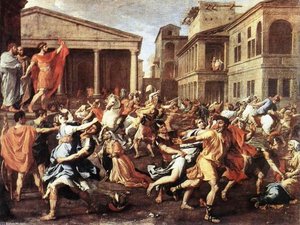
Nicolas Poussin's "Midas and Bacchus" stands as an emblem of French Baroque painting, yet its genesis lies firmly within the Italian Renaissance tradition. Completed around 1648-1650, this monumental canvas transcends mere depiction; it embodies a profound meditation on myth, desire, and the transformative power of divine grace—themes central to Poussin’s artistic philosophy. The painting resides in the Musée du Louvre, Paris, where its breathtaking scale and meticulous detail continue to captivate audiences centuries after its creation.- Subject Matter: Drawn from Greek mythology, “Midas and Bacchus” recounts the tale of King Midas’s hubristic wish—to turn everything he touched into gold—and his subsequent encounter with Dionysus (Bacchus), god of wine and revelry. The scene unfolds in a stylized Roman landscape, populated by figures representing both earthly pleasure and spiritual contemplation.
- Style: Poussin’s style is characterized by its serene composure and masterful use of chiaroscuro—the dramatic interplay between light and shadow—a technique perfected during his formative years in Rome. Unlike the exuberant dynamism of Caravaggio, Poussin prioritizes balance and harmony, striving to convey an idealized vision of beauty.
Technique: The Art of Illusion – Mastering Chiaroscuro and Atmospheric Perspective
Poussin’s technique exemplifies the Renaissance preoccupation with scientific observation. He meticulously studied aerial perspective—the gradual blurring of distant objects due to atmospheric haze—creating an illusion of depth that surpasses mere visual representation. Layers upon layers of thinly applied paint, painstakingly blended by hand, contribute to the painting's luminous quality and enhance its sense of realism. The artist’s meticulous attention to detail extends beyond the figures themselves; he renders every leaf, stone, and ripple of water with astonishing accuracy.Symbolism: Divine Intervention and Moral Reflection
Beyond its visual splendor, “Midas and Bacchus” is laden with symbolic significance. Dionysus’s presence represents divine indulgence and the allure of sensual gratification—a stark contrast to Midas's folly. The shepherdess, positioned centrally in the composition, embodies purity and innocence, serving as a moral counterpoint to the king’s avarice. Furthermore, the golden fleece adorning Midas’s tunic symbolizes wealth and earthly ambition, ultimately undermined by the transformative influence of Dionysus’s wine—a reminder that true happiness resides not in material possessions but in spiritual enlightenment.Emotional Impact: Tranquility Amidst Chaos – A Vision of Sublime Beauty
Despite its narrative complexity, “Midas and Bacchus” exudes an aura of profound tranquility. Poussin’s masterful orchestration of light and color evokes a sense of sublime beauty—a feeling akin to awe and wonder—inspiring contemplation on the human condition. The painting's stillness belies the tumultuous events unfolding within its frame, suggesting that inner peace can prevail even amidst external pressures. It remains an enduring testament to Poussin’s artistic genius and his unwavering commitment to conveying a vision of idealized harmony.Concluding Thoughts: An Artistic Legacy Enduring Through Time
“Midas and Bacchus” continues to resonate with audiences today, securing its place as one of the most celebrated paintings of the Baroque era. Its influence can be discerned in countless subsequent artworks—a testament to Poussin’s pioneering role in establishing a new aesthetic standard. More than simply a depiction of mythic narrative, it represents an exploration of fundamental human concerns—desire, morality, and the pursuit of spiritual fulfillment—making it an invaluable contribution to the history of art and a source of inspiration for generations of artists.Podobná umělecká díla


Biografie umělce
Nicolas Poussin – A Life Steeped in Classical Reverie
Nicolas Poussin, a name synonymous with the grandeur of French Baroque painting, was nonetheless a soul deeply rooted in Italian soil for much of his artistic life. Born in Les Andelys, Normandy, in June 1594, his early years remain somewhat veiled in mystery, yet they undoubtedly laid the foundation for a career that would become pivotal in shaping the classical tradition within French art. Though he briefly studied in Paris during the early 1610s, absorbing influences from lesser-known artists of the time, it was his journey to Rome in 1624 that truly ignited his artistic destiny. This wasn’t merely a geographical relocation; it was an immersion into the heart of antiquity, a pilgrimage to the very source of inspiration that would define his aesthetic vision. Poussin's initial forays into painting were marked by a sensuous quality reminiscent of Venetian masters like Titian, yet even in these early works, a nascent sense of order and intellectual rigor began to emerge—a foreshadowing of the style he would so masterfully refine.Early Influences and Parisian Years
His formative years were spent honing his skills under Quentin Varin, a respected artist who instilled in him an appreciation for draughtsmanship and observation. Shortly thereafter, Poussin ventured into Paris, where he engaged with the artistic currents of the era—particularly those championed by Raphael and Giulio Romano—artists whose harmonious compositions and graceful forms would profoundly shape his subsequent style. The Parisian environment fostered intellectual curiosity and exposed him to humanist scholarship, influencing his worldview and fueling his desire for artistic excellence. During this period, Poussin produced a series of mythological drawings that showcased his burgeoning talent and demonstrated his commitment to capturing the beauty and dignity of classical ideals. These early works established a foundation for his later explorations of history and myth—themes he would revisit throughout his illustrious career.The Roman Years: Forging a Classical Ideal
Rome proved to be more than just a studio for Poussin; it became his intellectual crucible. He found himself amidst a vibrant circle of scholars, archaeologists, and fellow artists, notably Cassiano dal Pozzo, whose profound understanding of classical antiquity profoundly influenced the artist’s approach. Dal Pozzo's dedication to meticulously documenting ancient remains instilled in Poussin a deep respect for historical accuracy and a desire to imbue his paintings with a sense of timelessness. This period saw Poussin move away from the flamboyant exuberance of some of his contemporaries, instead embracing a style characterized by clarity, balance, and a deliberate emphasis on linear composition. He meticulously studied Raphael’s works, absorbing their harmonious arrangements and graceful forms, while simultaneously drawing inspiration from ancient sculptures and literary sources like Ovid's *Metamorphoses*. His paintings began to populate with figures drawn from classical history and mythology, rendered not as mere decorative elements but as embodiments of moral virtues and philosophical ideals. He became acquainted with Cardinal Francesco Barberini, whose patronage provided him with invaluable support and access to a stimulating intellectual milieu.Style and Technique: Classical Restraint Amidst Baroque Flourish
Poussin’s artistic style distinguished itself from the prevailing Baroque trends—characterized by dramatic emotion and opulent ornamentation—through its unwavering commitment to classical principles. He rejected excessive theatricality in favor of serene beauty, prioritizing compositional clarity and harmonious color palettes. His technique involved painstaking draughtsmanship, utilizing precise lines and subtle shading to create illusions of depth and perspective that mirrored the achievements of Renaissance masters. The artist’s meticulous attention to detail—evident in his depictions of drapery folds, facial expressions, and landscape vistas—reflected a profound understanding of artistic craftmanship. He skillfully blended influences from Venetian painters like Titian with the stylistic refinements of Raphael, resulting in an oeuvre marked by both sensuous richness and intellectual rigor.Legacy: Shaping French Art and Beyond
Nicolas Poussin’s influence extended far beyond his own lifetime, establishing a cornerstone of French Classical painting. His unwavering devotion to classical ideals served as inspiration for subsequent generations of artists—Jacques-Louis David and Paul Cézanne among them—who acknowledged their debt to Poussin's stylistic precision and philosophical depth. He championed the pursuit of beauty and order, advocating for artistic training rooted in humanist scholarship and informed by a deep appreciation for antiquity. His enduring legacy resides not merely in his magnificent paintings but also in his contribution to shaping the intellectual landscape of France—a testament to an artist who transcended mere aesthetic achievement to become a symbol of cultural excellence. He remains one of the most revered figures in French art history, celebrated for his mastery of technique and his profound engagement with timeless themes.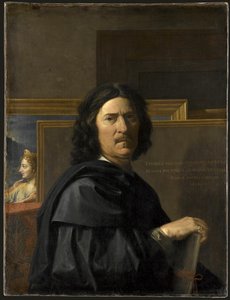
Nikolás Poussin
1594 - 1665 , Francie
Rychlé fakta
- Artistic Movement Or Style: Baroko, Klasicismus
- Artists Or Movements Influenced By This Artist: ['Jacques-Louis David']
- Artists Who Influenced This Artist:
- Raphael
- Titian
- Date Of Birth: Les Andelys, Francie
- Date Of Death: Řím, Italie
- Full Name: Nicolas Poussin
- Nationality: Francouzský
- Notable Artworks:
- Mrtvý Němcův
- Sedm Sakramentů Série
- Římanská cesta
- Place Of Birth: Francie
Související články

Nicolas Poussin: Classicism, Allegory & Order in 17th-Century French Painting
Explore the life & work of Nicolas Poussin, a master of French Classicism. Discover his allegorical paintings, Roman influences, and enduring impact on art history. Expert analysis & insights.

Guido Reni: A Study in Baroque Classicism & Artistic Perfection
Explore the life & work of Guido Reni, a master of Baroque classicism. Discover his iconic religious & mythological paintings, and understand his enduring influence on art history. Expert analysis for collectors.

Echoes of Olympus: Mythological Narratives in Western Art Through the Ages
Explore the captivating history of mythological narratives in Western art! From ancient Greece to modern masterpieces, discover iconic artworks & symbolism. Expert analysis and high-quality reproductions at AllPaintingsStore.

Echoes of Antiquity: Enduring Themes & Techniques in Classic Art
Explore the enduring legacy of classical art! Discover ancient Greek & Roman influences, Renaissance masterpieces, and timeless techniques. Expert insights for collectors & enthusiasts at AllPaintingsStore.

The Enduring Legacy of Classicism: Principles, Evolution & Influence in Western Art
Explore the enduring legacy of Classicism in Western art! Discover its historical context, key principles, iconic masterpieces & lasting influence. Learn about Renaissance and Neoclassical movements with AllPaintingsStore.